
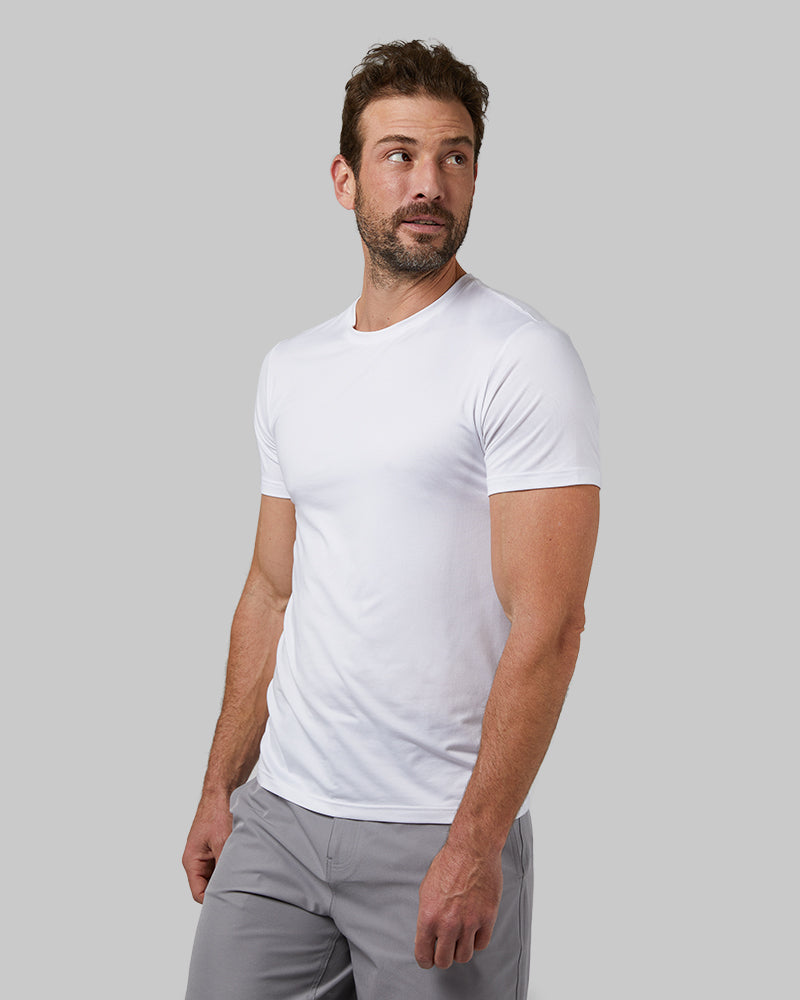
32 Degrees T-Shirt Deal: How to Buy Cheap Basics Without Wasting Money
Finding a cheap T-shirt is easy. Finding one that still looks good after a few washes is the hard part. That is why the 32 Degrees T-shirt deal gets attention. The price is low enough to tempt almost anyone, but a low sticker price does not always mean a smart buy. You want basics that hold their shape, feel decent, and do their job without eating up your budget.
So, should you grab the deal or skip it? The answer depends on fit, fabric, and how you shop for basics in the first place. A $6 shirt can be a win if you need everyday layers. It can also be a waste if it pills, shrinks, or sits in your drawer because the cut is off. Let’s look at the deal with a clear eye and a little skepticism (the good kind).
What to know about the 32 Degrees T-shirt deal
- Price matters, but wear matters more. A shirt is only cheap if you actually wear it.
- Fabric blend is the first filter. Check for softness, stretch, and shrink risk.
- Fit changes the value fast. A bargain shirt that fits badly is still a bad purchase.
- Bulk can help. Basics often make sense when you buy a few at once.
- Think cost per wear. That is the real test, not the sale tag.
Why the 32 Degrees T-shirt deal gets so much attention
32 Degrees sells low-cost basics, and that is the entire pitch. The brand often shows up in warehouse clubs and online deals, which keeps the price low and the buying decision simple. For you, that usually means a plain shirt for layering, lounging, travel, or casual wear.
That sounds boring. It is. And boring can be good when your goal is to stock up on everyday clothes without turning a simple purchase into a style project.
Cheap basics work best when they solve a real problem. If you need a shirt for yard work, sleeping, or under a sweater, a modest-quality option can be exactly right.
How to judge a T-shirt deal before you buy
1. Check the fabric content
Look at the blend first. Polyester and spandex usually bring stretch and wrinkle resistance. Cotton feels more familiar and breathable, but it can shrink more and may wear out faster if the weave is thin.
Ask yourself one question: do you want softness now, or durability later? That tradeoff is the core of most T-shirt buys.
2. Read the fit notes carefully
Fit is where bargain shirts often fail. A shirt can be cheap and still useless if the shoulders pull, the sleeves flare, or the body hangs awkwardly. If the seller gives chest measurements, garment length, or customer comments, use them.
Think of it like buying a chair. If the shape is wrong, the material hardly matters.
3. Compare price per shirt, not the headline deal
Packages can make a deal look better than it is. Divide the total price by the number of shirts and compare it with other basics you already trust. If the shirt is a few dollars cheaper but lasts half as long, the math turns fast.
That is the whole game. Pay less now, or pay less over time.
Where the 32 Degrees T-shirt deal makes sense
The deal works best for people who need low-cost, repeat-use basics. Think school drop-off runs, gym layers, travel bags, or weekend chores. If you are replacing stained shirts or filling out a drawer with no-frills options, this is the kind of purchase that can make sense.
It also fits shoppers who do not want to babysit laundry. Many synthetic blends dry quickly and resist wrinkles better than heavier cotton tees. That can save time, which has value even if it does not show up on the receipt.
Where you should be careful
Do not buy just because the price looks tiny. A bargain becomes expensive if you return it, replace it, or never wear it. Watch for thin fabric, weak seams, odd sizing, and colors that fade fast.
Also, do not load up on multiples unless you already know the fit. Buying six shirts you have never tried is a bit like ordering a whole tray of food before tasting the soup. Efficient? Maybe. Smart? Not always.
How to get more value from a cheap T-shirt
- Start with one or two. Test the fit and wash results before you buy more.
- Wash in cold water. That helps reduce shrink and fading for many blends.
- Skip high heat in the dryer. Heat is rough on elastic fibers and printed labels.
- Use them for the right job. Save better shirts for office wear or events.
- Track what you wear. If one shirt keeps getting pulled out of the drawer, reorder that style.
A cheap T-shirt should feel like a tool, not a gamble. If it holds up and fits your routine, it earns its place.
What this deal tells you about smart shopping
The best budget purchases are rarely exciting. They are repeatable, practical, and easy to evaluate after the fact. That is why the 32 Degrees T-shirt deal matters. It is not about chasing the lowest number on the page. It is about buying a basic you will actually use.
That is the real filter: would you still want the shirt if the discount disappeared next month? If the answer is yes, you probably found a solid buy. If the answer is no, the deal is doing more work than the product.
Next move for your budget
Before you click buy, check the fabric, the fit, and the return policy. Then decide how many shirts you actually need. One good basic beats a stack of regrets. What does your closet need more of right now, another bargain, or a shirt you will wear twice a week?