
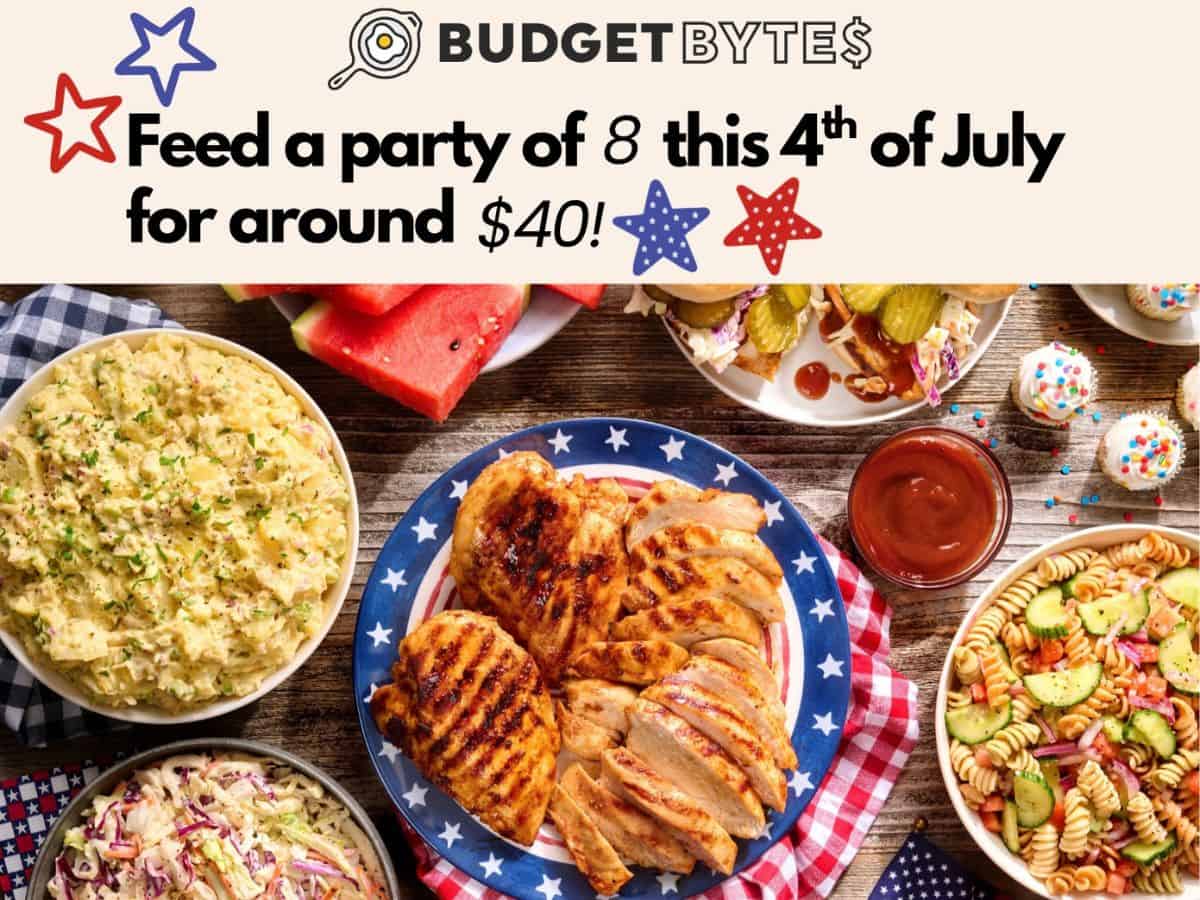
4th of July Cookout Budget Plan for Around $40
If you want to host a 4th of July cookout without blowing your grocery budget, the math gets tight fast. Burgers, buns, drinks, sides, and dessert can turn into a painful checkout total before you notice it. A solid 4th of July cookout budget gives you a plan before you shop, so you can feed people well without paying for extras you do not need. That matters now because food prices still punish casual buying, and holiday stores love to push higher-margin convenience items. Here’s the good news. You can build a simple menu, keep portions realistic, and still make the table feel full.
- Choose a short menu with one main protein, two sides, and one dessert.
- Buy store brands and skip pre-made items where possible.
- Serve water, lemonade, or iced tea instead of a full drink spread.
- Shop sales first, then build the menu around what is cheap.
- Use your pantry for condiments, spices, and basics you already own.
Why a 4th of July cookout budget matters
Holiday cookouts fail when the shopping list grows faster than the guest list. You start with burgers, then add chips, extra dips, a second dessert, and a full cooler of drinks. Before long, the bill looks more like a catered event than a backyard meal.
A 4th of July cookout budget helps you decide what matters most. Are you feeding close family, or hosting a larger group with mixed appetites? Those are different jobs, and your shopping list should reflect that.
Think of it like building a backyard deck. You need a strong frame first. The decorative pieces come last, if you still have room in the budget.
4th of July cookout budget menu that stays lean
The easiest way to save is to keep the menu small. Pick one main item that can stretch, then add sides that are cheap per serving. That is how you keep a 4th of July cookout budget near $40 without making the meal feel thin.
A simple low-cost menu
- Hot dogs or burgers
- Potato salad or pasta salad
- Corn on the cob or baked beans
- Watermelon, cookies, or simple brownies
- Water, lemonade, or iced tea
Hot dogs usually cost less than burgers, and they are easier to stretch when guests have different appetites. If you want both, buy fewer burgers and add hot dogs to fill the gap. Why pay premium prices for all meat when one cheaper protein can carry the meal?
How to shop for a 4th of July cookout budget
Start with store flyers and digital coupons. Then check what you already have at home. Mustard, ketchup, salt, pepper, foil, and seasonings add up when you buy them twice.
Use the store sale as the menu planner, not the other way around. That one habit saves more than most people expect.
Look for family packs, but only if you will use the full quantity. A bigger package saves money per unit only when it does not create waste. For a small group, a bulk-size tray can become a trap, not a deal.
Here is a practical way to split the shopping:
- Protein: one main item, usually the biggest line in the budget.
- Sides: choose items made from potatoes, beans, pasta, or corn.
- Drinks: one or two beverage options only.
- Dessert: one simple homemade sweet or a seasonal fruit.
Where the money usually goes
The heavy costs are almost always meat, drinks, and snacky extras. Paper goods can also sneak up on you if you buy premium plates, cups, and napkins. But you do not need a fancy setup for a good cookout.
If your budget is around $40, every choice should earn its place. A tray of watermelon might do more for the meal than a second bag of chips. A homemade side can also carry more value than a store-bought platter because it costs less and feeds more people.
Keep one question in mind: what will guests actually remember eating?
Cheap hosting tricks that do not feel cheap
You can trim costs without making the event look stripped down. Mix one homemade dish with a store-bought shortcut if that saves time. Use reusable serving bowls and pitchers. And if you already own outdoor plates and utensils, do not replace them just for the holiday.
Portion control helps too. Put out small amounts first, then refill if needed. That keeps food fresh and prevents the classic overfill problem where too much food sits out and gets wasted.
Here are a few moves that help a 4th of July cookout budget stay under control:
- Ask guests to bring one side or dessert.
- Serve one signature drink instead of several options.
- Cut fruit yourself instead of buying pre-cut trays.
- Make one large salad instead of several small sides.
- Use leftovers for lunches the next day.
A sample $40 cookout plan
Prices vary by store and region, but the structure matters more than the exact numbers. A sample plan might look like this: one pack of hot dogs, one pack of buns, one bag of chips, one potato salad ingredient set, one watermelon, and one drink mix or tea. If you have condiments and basic seasonings already, that list can stay surprisingly close to the target.
The biggest win is restraint. Do not let the menu sprawl. Holiday cooking gets expensive the same way a road trip does. One extra stop turns into three, then the tank is half empty and the bill is higher than you planned.
What to do if your guest count changes
Guest lists move around, especially on summer holidays. If more people show up, stretch the meal with bread, salad, fruit, or another easy side. If fewer people come, save the extras for lunch or freeze what you can.
That flexibility matters more than chasing a perfect estimate. A good budget is not rigid. It is adaptable, which is a lot more useful when people text late and say, “Can I bring a friend?”
Keep the cookout small, not stressful
A smart 4th of July cookout budget is really a decision rule. Keep the menu short. Shop the sales. Use what you already have. Then spend only where the food actually improves the meal.
That is the part most people miss. The goal is not to host the biggest spread on the block. The goal is to feed your people well, enjoy the afternoon, and avoid a credit card hangover on July 5. What would happen if you planned the menu before you ever opened the grocery app?