
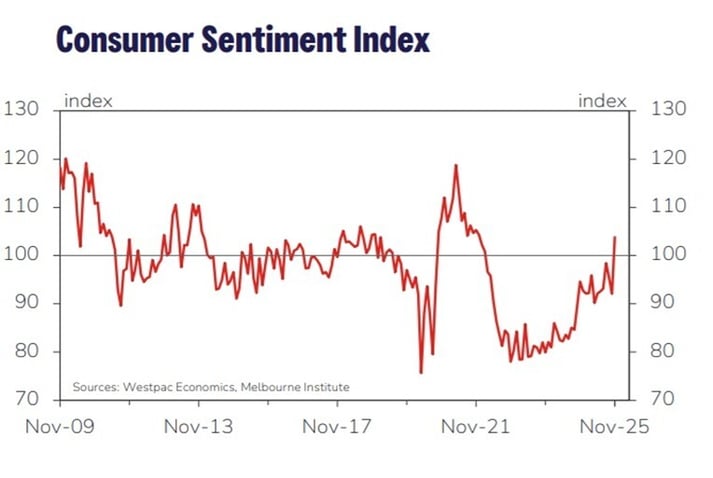
Australia Consumer Confidence Slips as Household Budgets Tighten
Australia consumer confidence is under pressure again, and that matters if your household budget already feels stretched. The latest Reuters report points to a familiar problem. People are feeling squeezed by everyday costs, and that changes how they spend, save, and plan. If you are putting off purchases, cutting back on extras, or watching every bill, you are not alone. Confidence measures do not pay your electricity bill, but they do shape the choices millions of households make at the same time. That can slow spending, change retail demand, and feed back into the economy. So what should you do when the mood turns cautious? The answer is not panic. It is a sharper money plan, built for a month where cash flow matters more than optimism.
What the latest Australia consumer confidence data is really saying
- Households are feeling the pinch, especially on recurring costs like rent, groceries, and utilities.
- Spending plans are getting shorter. People are delaying bigger purchases and focusing on essentials.
- Savings buffers matter more when confidence falls, because one surprise bill can throw off the month.
- Budget discipline beats guesswork. A simple plan often works better than a complex one when money is tight.
- Rate moves and inflation still matter, because they shape borrowing costs and household stress.
Why Australia consumer confidence matters for your own budget
Consumer confidence is a sentiment measure, not a bank balance. But it still has teeth. When people expect higher prices or weaker income growth, they pull back. That can affect retail sales, small business revenue, and even the timing of job moves.
For you, the practical part is simple. Lower confidence usually means you should treat every discretionary dollar as more valuable. That does not mean living on rice and toast. It means being deliberate. A budget in this phase is like a good defensive line in sport. It does not score the points, but it stops avoidable losses.
Money stress gets expensive when you ignore small leaks. A few extra subscription charges, a vague grocery shop, or one buy-now-pay-later balance can wreck a week that was already tight.
Where households usually feel the squeeze first
The pressure often shows up in the same places. Food, fuel, housing, transport, and debt payments tend to bite first. Then the cuts move into non-essentials like eating out, entertainment, and travel.
That order matters. If your fixed costs are rising, the old trick of trimming coffee runs will not fix much. You need to look at the large items first. Rent. Mortgage. Insurance. Power. Phone plans. Those are the bolts holding the whole structure together.
Ask these three questions now
- Which bills have gone up in the last six months?
- Which expenses can you change in the next 30 days?
- How much cash would cover one bad month?
That last question is the one many people skip. Why wait until a surprise repair or medical bill arrives?
A practical response to Australia consumer confidence slipping
Start with a clean view of your money. Not a rough estimate. A real one. Pull your last two bank statements and sort spending into three buckets: fixed costs, variable essentials, and optional spending. You may find leaks you have trained yourself to ignore.
Then set a short review cycle. Weekly is better than monthly when cash is tight. A 10-minute check-in can stop a small overspend from becoming a overdraft fee or credit card balance.
Try this simple reset
- Cap variable spending for one week at a time.
- Move savings on payday, even if it is a small amount.
- Pause low-value subscriptions you barely notice.
- Call lenders or providers early if a payment will be late.
- Keep one bill buffer in your transaction account if you can.
And do not overlook debt. If you are carrying a credit card balance, every extra month of high interest is a drag. Pay down the most expensive debt first unless a lender has already put you under pressure. Then focus on the payment you can remove fastest. Simple beats clever here.
What this means if you are saving or investing
When confidence drops, many people freeze. They stop saving because they think there is no point. That is a mistake. Even small transfers build a cushion, and a cushion changes your options.
If you invest, keep your risk level tied to your time horizon, not to market mood. A weak confidence reading is not a reason to gamble or to dump a long-term plan. It is a reminder to keep emergency cash separate from investing money. Different jobs. Different accounts.
Think of it like a kitchen. You do not chop vegetables on the stove. You keep tools in the right place so the whole thing runs cleanly.
How to read the signal without overreacting
Reuters reporting on Australia consumer confidence points to a public mood that is still cautious. That does not automatically mean a deeper downturn, but it does tell you households are being careful with cash. Markets, retailers, and lenders all notice that shift.
The smart response is not to guess what happens next. It is to build a budget that can take a hit. If your plan only works when everything goes right, it is too fragile. Make it sturdier now, while you still have room to adjust.
Next move: open your banking app tonight, scan the last 30 days, and cut one expense you will not miss. Then ask yourself what would break first if your next bill came in higher than expected.
Sources and reporting context
This article is based on Reuters reporting on the June 2026 consumer confidence release in Australia. For wider context, readers often track household sentiment alongside data from the Reserve Bank of Australia, the Australian Bureau of Statistics, and major bank confidence surveys.