
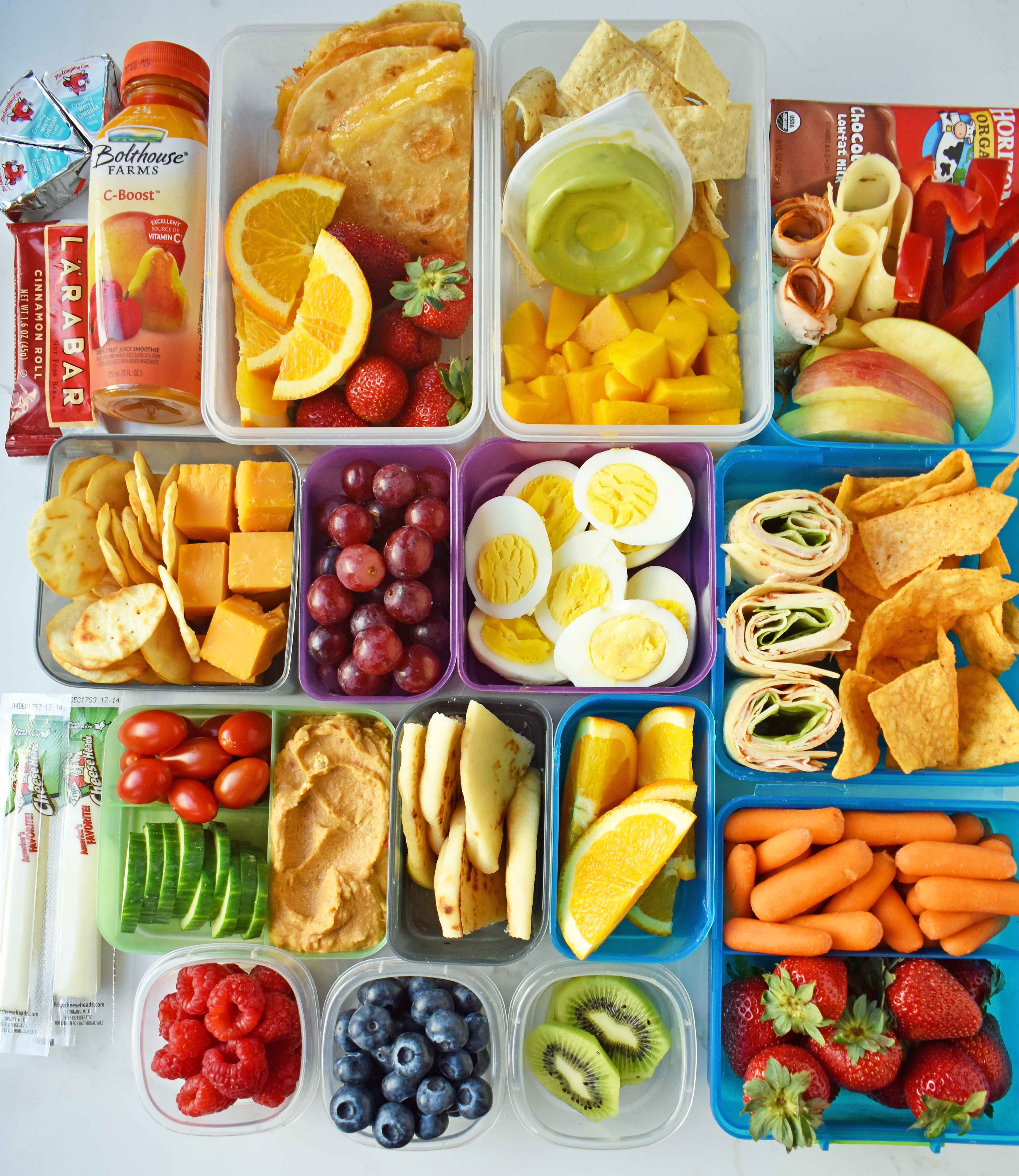
Back-to-School Lunches That Cut Costs and Save Time
Back-to-school lunches can drain your budget fast if you buy random snacks, rely on convenience foods, or pack each day from scratch. The real problem is not the lunch box. It is the planning gap between what your kids will actually eat and what you can afford to pack every week. Back-to-school lunches work best when you treat them like a repeatable system, not a daily scramble.
That matters now because food prices still put pressure on grocery budgets, and school mornings leave little room for improvisation. If you want fewer last-minute trips to the store and fewer uneaten items coming home in the lunch bag, the fix is simple. Build a short list of cheap staples, rotate them, and prep ahead where it counts. Why make every morning harder than it has to be?
What saves the most money?
- Pack from leftovers. Extra pasta, rice bowls, quesadillas, and roasted vegetables can become lunch the next day.
- Buy base ingredients, not lunch kits. Whole blocks of cheese, bulk yogurt, tortillas, and fruit usually cost less than packaged snack assortments.
- Use a short rotation. Repeating 6 to 8 lunch combinations reduces waste and makes shopping easier.
- Prep once, assemble fast. A 30-minute Sunday prep session can save five rushed mornings.
How to build back-to-school lunches on a budget
Start with foods that pull double duty. A rotisserie chicken can become sandwiches, wraps, and pasta bowls. A bag of carrots works as a side dish, a snack, and a crunchy add-on for hummus or ranch.
Think of lunch planning like building with the same set of blocks. You are not inventing a new meal every day. You are combining protein, fruit or vegetables, and a filling carb in different ways so the routine stays solid without getting boring.
Use 3-part lunch formulas
A simple formula keeps costs down and keeps you from overbuying. Pick one item from each group, then repeat the pattern through the week.
- Protein: hard-boiled eggs, turkey slices, beans, tuna, peanut butter, cheese, or leftover chicken.
- Produce: apples, grapes, cucumber slices, baby carrots, berries, or snap peas.
- Filler: bread, tortillas, rice, pasta, crackers, or pita.
This approach gives you structure without boxing you in. If your child hates tuna, swap in beans or hummus. If fruit is cheaper than vegetables this week, lean into fruit. The budget should guide the menu, not the other way around.
Which lunch ideas hold up best by Friday?
Plan for foods that stay good for several days. Crisp fruit, cut vegetables, pasta salad, wraps, and muffins tend to travel better than delicate items that wilt or leak.
Some meals do well in the fridge and in the lunch bag. Others turn soggy fast. That is why the best back-to-school lunches often borrow from meal prep, not restaurant-style variety.
- Turkey and cheese wraps with apple slices
- Pasta salad with peas, diced cheese, and Italian dressing
- Bean and rice bowls with salsa
- Peanut butter and banana sandwiches
- Chicken quesadillas cut into wedges
Need a low-cost example? A batch of rice, a can of beans, frozen corn, and shredded cheese can cover several lunches for less than a pile of prepackaged snacks. Add salsa or dressing and you have something kids can actually finish.
How do you keep prep simple on school nights?
Do the annoying work before the week starts. Wash produce. Portion snacks into reusable containers. Make one main protein and one starch that can be repurposed. That way, you are assembling lunch, not cooking it at 7 a.m.
Keep one shelf or bin in the fridge just for lunch items. That small change cuts decision fatigue. You see the options. You pack faster. And you waste less food because items stop hiding behind leftovers.
Use these prep shortcuts
- Boil a half-dozen eggs at once.
- Make a big batch of pasta or rice.
- Pre-slice carrots, cucumbers, and peppers.
- Freeze muffins or breakfast bars in single portions.
- Set aside one shopping day and one prep day each week.
Look, lunch prep does not have to be elaborate. A good system is more like a well-run kitchen than a fancy recipe. Fewer moving parts. Less waste. Better results.
What if your kids are picky eaters?
Then keep the menu narrow and predictable. Kids often do better when lunch looks familiar. That does not mean you give up on variety. It means you rotate within a safe range.
Offer one new item at a time, alongside a few trusted foods. If your child reliably eats crackers, cheese, and grapes, build from there. Add hummus one week. Swap grapes for berries the next. Small shifts are easier to accept than a full menu overhaul.
And if a lunch comes home half-eaten? Adjust the formula. That is data, not failure.
A smarter school-year lunch routine
The best back-to-school lunches are not flashy. They are repeatable, cheap, and fast to pack. If your current routine depends on daily inspiration, it will cost you time and money. If it depends on a short list of staples and a weekly plan, you will feel the difference by Wednesday.
Start with five lunches you know will get eaten. Buy around those. Prep the basics once. Then watch the lunch budget settle down. What would change if packing lunch felt routine instead of chaotic?