
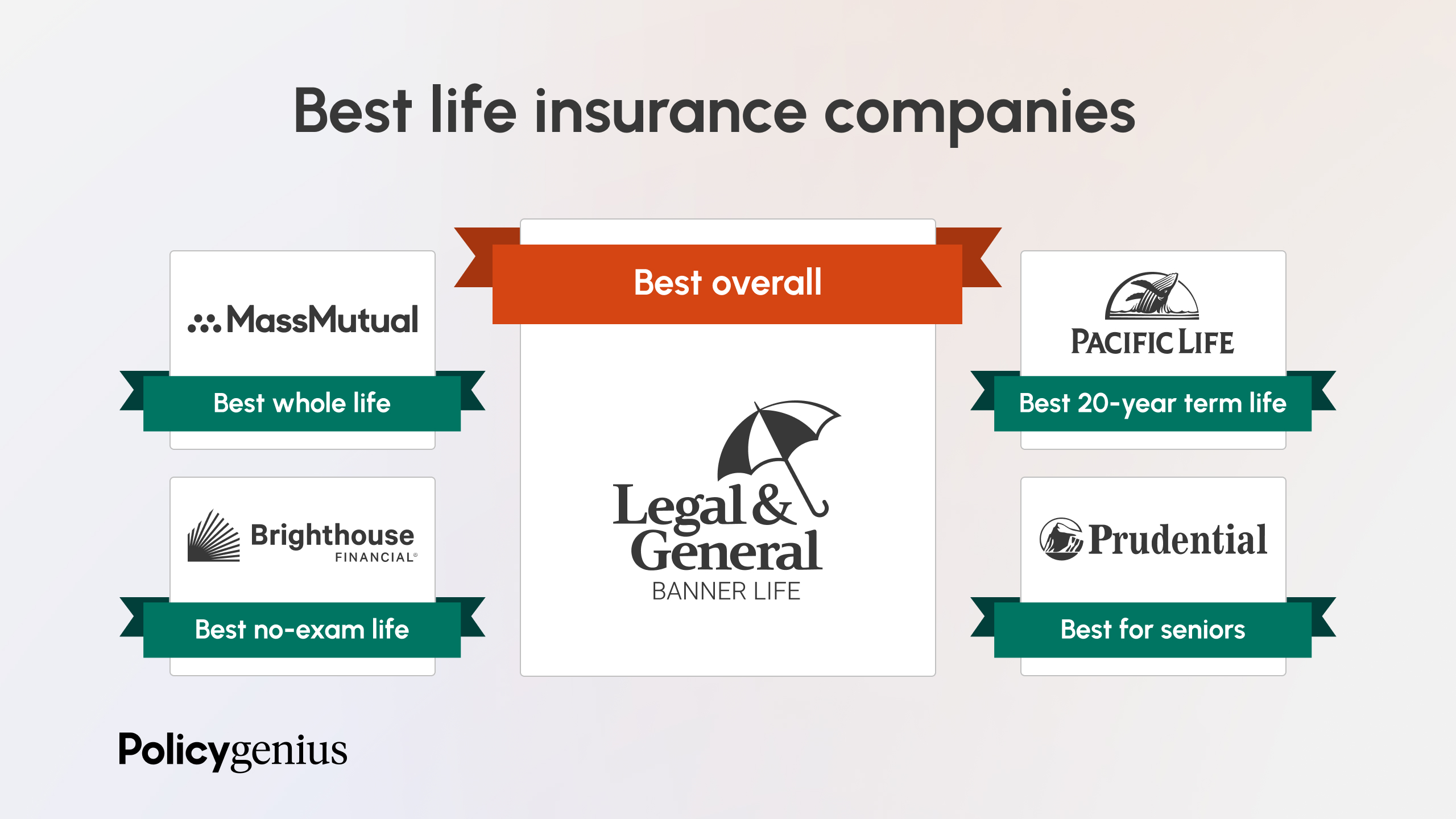
Best Term Life Insurance Companies for 2025
If you need term life insurance, you probably want one thing first. A policy that fits your budget without turning the buying process into a weeklong paperwork grind. The best term life insurance companies make that easier, but the tradeoffs are real. One carrier may be cheaper, another may offer faster online approval, and a third may handle higher coverage amounts better.
The tricky part is that the cheapest quote is not always the best fit. You need to think about how long you want coverage, how much your family would need if you died, and how much medical underwriting you are willing to tolerate. That is the real question behind best term life insurance companies: which insurer gives you the right mix of price, term length, and underwriting speed for your situation? Look past the glossy ads. Focus on the policy terms, financial strength, and whether the application process works for your life, not theirs.
What stands out in the best term life insurance companies
- Price matters, but only after fit. A low premium is useless if the term length is too short or the coverage amount misses the mark.
- Underwriting speed varies a lot. Some insurers offer instant decisions for healthy applicants, while others still rely on a full medical exam.
- Policy flexibility can save you later. Conversion options and renewal rules matter if your needs change.
- Financial strength is non-negotiable. You want an insurer with a strong ratings track record from A.M. Best, S&P, Moody’s, or Fitch.
- Your health profile changes the ranking. The best company for a 30-year-old nonsmoker may be a poor match for someone with a medical history.
How to judge the best term life insurance companies
Start with the basics. How much coverage do you need, and for how long? A 10-year policy can work if you only need to cover a short mortgage window. A 20- or 30-year term makes more sense if you are protecting young kids or long-term income replacement.
Then look at underwriting. Some companies are better for people who want a fast digital application. Others are better if you have health conditions and need a more careful review. That process can feel like buying a house: the price tag matters, but the inspection decides whether the deal survives.
My rule of thumb: compare at least three quotes from carriers that fit your age, health, and coverage need. One quote is a guess. Three quotes start to tell the truth.
What to compare beyond the monthly premium
- Term length options. Look for 10, 15, 20, 25, and 30-year terms if you want flexibility.
- Coverage ceiling. Some carriers cap online applications at lower amounts than full underwriting applications.
- Conversion privilege. This lets you switch to permanent coverage later without a new medical exam.
- Riders. Child riders, waiver of premium, and accelerated death benefit riders can be useful, depending on your budget.
- Customer service and claims reputation. A cheap policy is not a win if the company makes beneficiaries jump through hoops.
Which term life insurance company fits your profile?
Different shoppers need different carriers. That is where a lot of online listicles get lazy. They rank one company first and pretend every household has the same priorities. They do not.
If you want quick quotes and an easy online experience, look for insurers that specialize in digital underwriting. If you want broad policy choices and higher coverage limits, a traditional carrier may be the better move. If you have a health condition, a company with more flexible underwriting can matter more than a slightly lower rate.
If you are healthy and want speed
Fast-issue carriers are a solid starting point. They often use data checks, medical records, and algorithms to approve low-risk applicants quickly. That can save time, and sometimes a medical exam too. But read the fine print. Some of those instant approvals come with tighter coverage caps.
If you need high coverage
Families with large mortgages, higher incomes, or business obligations usually need more than a basic policy. In that case, focus on insurers that write larger face amounts and still keep pricing competitive. A policy is not a trophy. It should cover the actual gap your family would face.
If your health history is complicated
Do not assume you are out of the running. Some insurers are more forgiving with controlled conditions, past tobacco use, or older medical issues. The difference between one carrier and another can be surprising, and it often comes down to underwriting appetite rather than brand name.
How much term life coverage should you buy?
This part is easy to overcomplicate. A simple formula gets you close. Add up your mortgage or rent replacement needs, debt balances, child care costs, college goals, and several years of income replacement. Then subtract assets that would already be available.
For many households, coverage falls somewhere between 7 and 15 times annual income. That is a rough range, not a law. If you have a spouse who earns enough to cover expenses, you may need less. If you are the main earner and your kids are young, you may need more.
How long should the term last? Match it to your biggest financial risk. If your youngest child is five and you want coverage until college is likely done, a 20-year or 25-year term may fit better than a 10-year term.
What the best term life insurance companies do differently
The strongest carriers usually do a few things well. They price risk cleanly, offer enough term choices to avoid awkward compromises, and keep the application process from becoming a maze. And yes, they pay claims. That should not be treated like a bonus. It is the whole point.
Here is the thing. A life insurance quote is like a restaurant menu. The headline price looks simple, but the real value depends on portions, ingredients, and whether the kitchen can actually deliver what it promises.
Questions worth asking before you apply
- How long do I need coverage?
- Do I want a policy I can convert later?
- Can I qualify for instant or accelerated underwriting?
- What happens if I outlive the term?
- Will this policy still work if my income or health changes?
A practical way to compare quotes
Start with three insurers that fit your profile. Use the same coverage amount and term length for each quote. Then compare the premium, conversion options, and any medical exam requirements.
And do not ignore the company behind the policy. A carrier with strong ratings from A.M. Best and a stable claims record is worth a little extra if your family depends on that payout. A few dollars saved each month does not matter much if the insurer is a headache later.
If you are still unsure, choose the company that makes the process cleanest for your health profile and budget. That is usually the better call than chasing the absolute lowest price. Which insurer will still look like a smart choice five years from now?
One last thing before you buy
Term life insurance works best when you buy it for a specific purpose. Replace income. Cover debt. Protect your kids. Fund the years that matter most. Keep the policy simple, keep the coverage honest, and review it when your life changes. That next review may matter more than the first quote.