Budget Friendly Meal Planning That Actually Works
Grocery prices wobble every week, and your wallet feels it first. Budget friendly meal planning gives you a way to control costs without living on instant noodles, and the payoff shows up fast. You set one plan, cook once, and eat well for days. This guide pulls in lessons from meal prep pros like Clean Eatz and adds tactics you can use right now. Why keep guessing what dinner costs each week?
Quick Wins You Can Use
- Batch cook proteins to cover multiple meals and cut midweek takeout.
- Freeze pre-portioned servings so you only thaw what you need.
- Shop a repeatable pantry list to avoid impulse buys.
- Use a two-meal rotation to shrink waste and prep time.
Budget Friendly Meal Planning Basics
Start with a tight list: one protein, one grain, two vegetables, and a sauce. Keep it boring in the cart so it can be interesting on the plate. Rotate spice mixes for variety without new ingredients each time.
Cook proteins in bulk on one day, then slice and store in shallow containers for quick cooling. That single change can drop weekday cooking time to ten minutes.
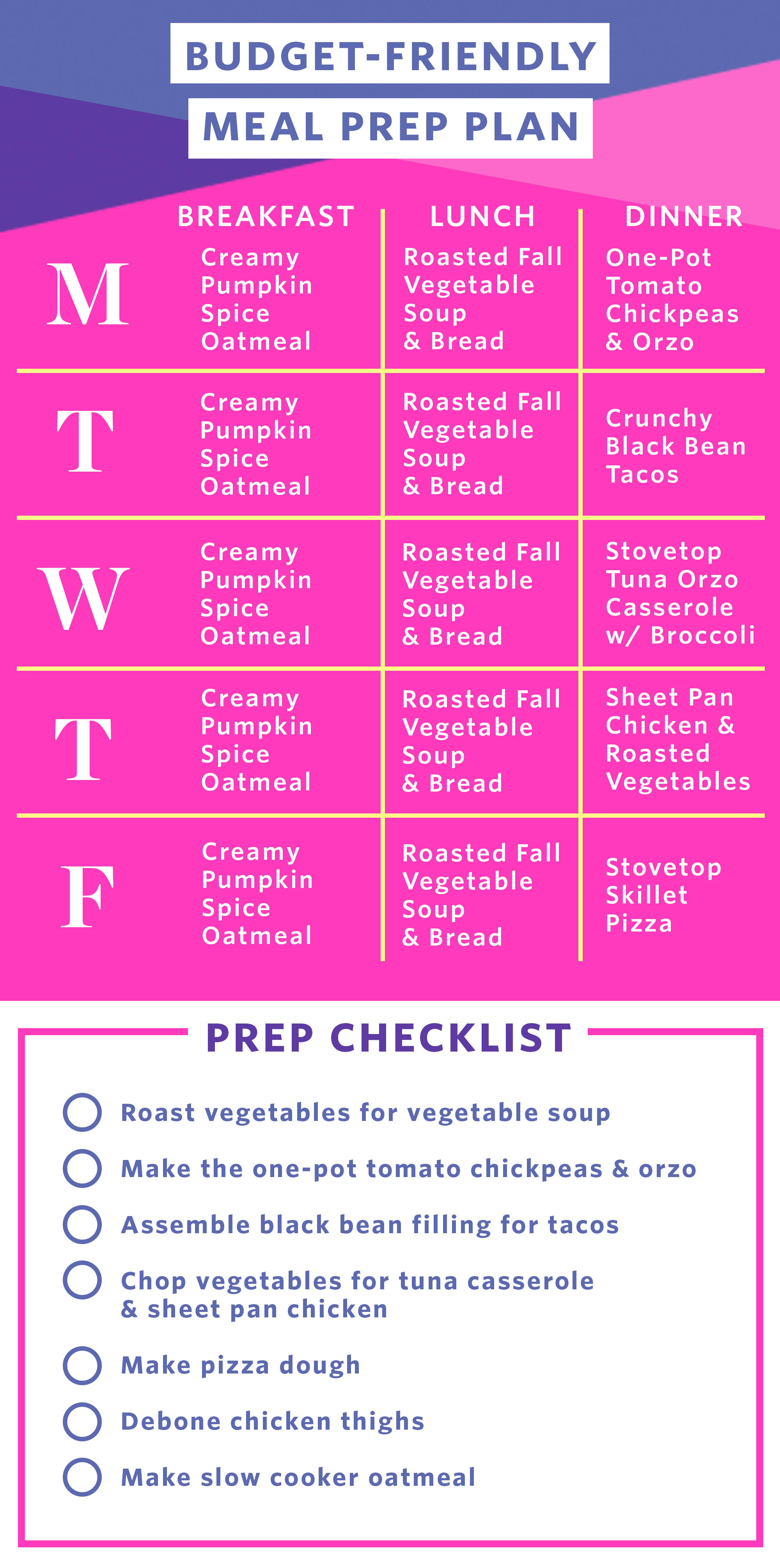
Sample Budget Friendly Meal Planning Week
- Grilled chicken, brown rice, roasted carrots.
- Chicken tacos with cabbage slaw and yogurt lime sauce.
- Rice bowl with beans, salsa, and leftover chicken.
- Veggie stir-fry with frozen edamame and rice.
- Breakfast-for-dinner: scrambled eggs, spinach, toast.
This lineup uses the same base items in new forms, so nothing spoils in the crisper. Treat it like a sports playbook: a few practiced plays beat a dozen untested ones.
Shop Smart Without Coupon Clutter
Set a weekly grocery cap before you step inside. Compare unit prices, not shelf tags, and stick to store brands for staples. Frozen vegetables offer solid nutrition at a lower price than many fresh options (yes, frozen veggies count).
“You do not need a new recipe every night. You need a reliable rotation you actually cook.”
Prep Moves That Stretch Every Dollar
Chop vegetables in one session, then store them by cooking method: roast, sauté, or raw. Label containers with the meal name and date so you avoid mystery boxes later.
One-sentence reminder: season as you reheat, not just during the initial cook.
Use sheet pans to cook multiple items at once. Stack flavors with sauces and condiments instead of buying new main ingredients. And keep a “rescue meal” like canned beans and rice ready for the nights when plans fall apart.
Stay on Track All Month
Review receipts weekly and adjust your list if prices shift. If chicken jumps, pivot to eggs or beans. Keep three anchor meals you always know how to make. That muscle memory keeps you from defaulting to pricey delivery.
Wrap-Up: Your Next Move
Pick one protein, plan five meals around it, and shop with a capped list this week. If the routine trims even $20, roll those savings into next week’s plan. How much calmer would your evenings feel if dinner cost less and arrived faster?