
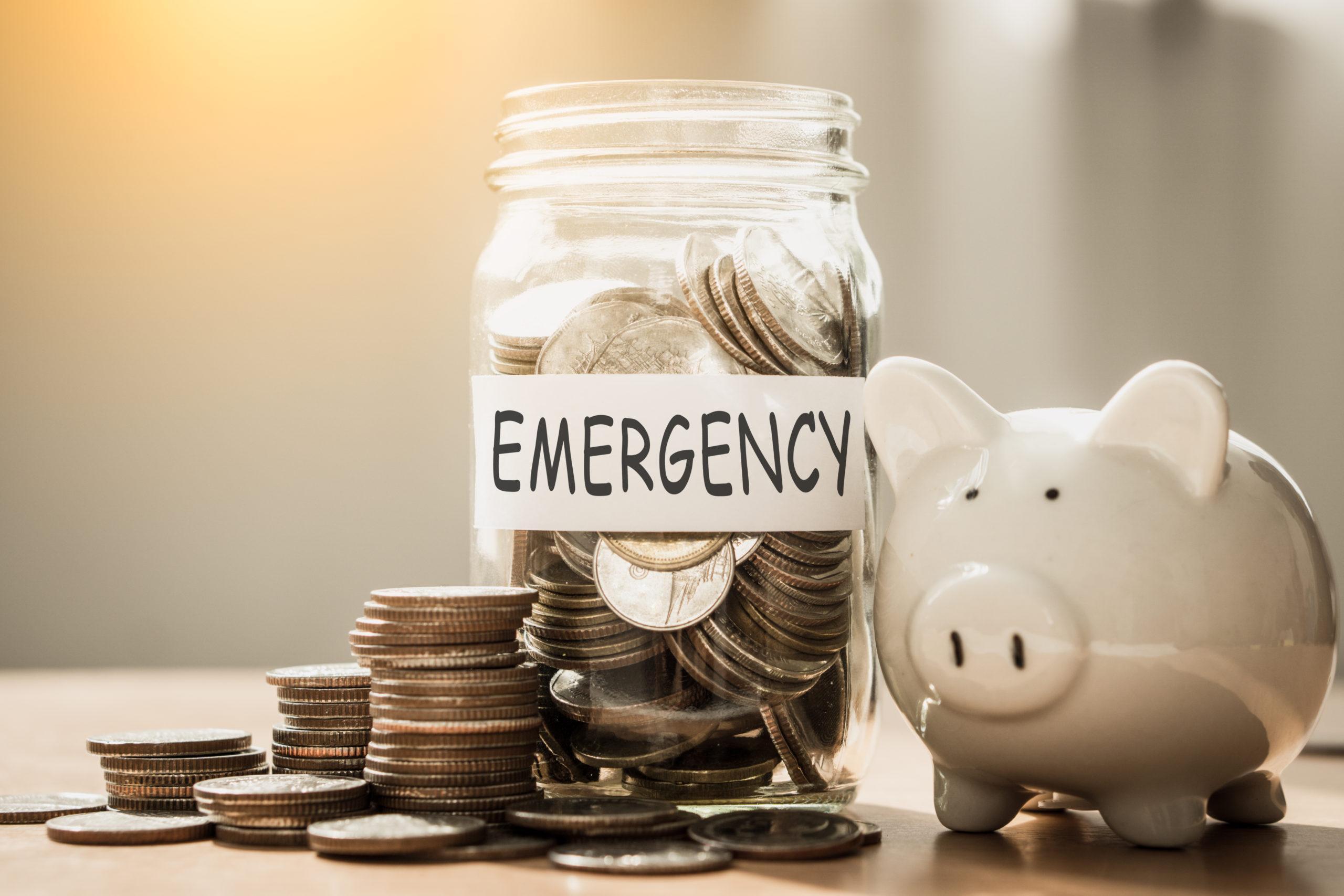
Build an Emergency Fund on a Paycheck-to-Paycheck Budget
If you live paycheck to paycheck, an emergency fund can feel out of reach. Rent, groceries, transit, child care, and debt payments eat through your paycheck before you can think about savings. But that is exactly why emergency fund planning matters now. One broken tire or a medical bill can shove your budget off a cliff.
You do not need three months of expenses tomorrow. You need a system that lets you save a small amount, keep it separate, and stop treating every surprise as a crisis. That means starting with a number you can actually hit, then building from there. Sound boring? Good. Boring is what works when money is tight.
What matters most right now
- Start tiny. Even $250 can cover a real-life surprise.
- Keep the fund separate. A separate savings account reduces the urge to spend it.
- Automate deposits. Small transfers are easier to keep than promises.
- Use windfalls first. Tax refunds, bonuses, and cash gifts can seed the account fast.
- Protect the fund. Only use it for true emergencies, not convenience purchases.
What size emergency fund should you aim for?
For a tight budget, the first goal is a starter fund of $500 to $1,000. That amount can handle many common shocks, like a car repair, a deductible, or a replacement phone. The Consumer Financial Protection Bureau has long pointed to a small starter cushion as a practical first step before building a larger reserve.
After that, aim for one month of essential expenses. Then build toward three months if your income is unstable or your job feels shaky. If you have dependents, variable pay, or no paid leave, a larger cushion gives you more room to breathe.
Think of your emergency fund like a spare tire. You do not need a whole new car in the trunk. You need enough to keep moving when something breaks.
How to build an emergency fund when money is already tight
Look, the usual advice to “cut coffee” is weak. You need a plan that fits a cramped budget and a messy calendar. That starts with finding money that already exists in your spending.
- Pick one transfer amount. Start with $5, $10, or $25 per paycheck. The amount should feel almost too small.
- Move it on payday. Save before bills and lifestyle spending absorb the cash.
- Open a separate high-yield savings account. Keep the money out of your checking account so it does not blend into daily spending.
- Redirect one irregular expense. Cancel a subscription, trim takeout once a week, or pause one streaming service and send that amount to savings.
- Deposit every windfall. If you get a refund, rebate, or overtime check, route a slice to the fund before you spend the rest.
And do not wait for the perfect month. There usually is no perfect month.
How to protect the fund from everyday spending
The biggest threat to an emergency fund is not a disaster. It is easy access. If the money sits in the same account as your rent and grocery cash, you will raid it for something that only feels urgent in the moment.
Use a separate savings account at a different bank if needed. Many online banks pay better rates than brick-and-mortar accounts, and the extra transfer delay can slow impulsive withdrawals. That little friction helps. Why make it easy to spend money you spent months building?
Set a clear rule for withdrawals
Write down what counts as an emergency. Examples include a car repair needed for work, a medical bill, or urgent home damage. A sale on sneakers does not qualify. Neither does a weekend trip.
Put the rule in your notes app if you have to. You are not trying to be strict for the sake of it. You are protecting future you.
What to do if you keep missing savings goals
If you keep falling short, the goal is probably too big or the timing is wrong. Lower the transfer amount and move it right after payday. If weekly paychecks make saving easier, use weekly transfers instead of monthly ones.
You can also pair saving with one change in your bills. Negotiate a lower cell plan, refinance expensive debt only if the math is solid, or ask about a due date shift to better match your income timing. A better cash-flow fit can free up a few dollars without forcing a painful cut.
Some people also save from “found money.” Sold an old bike? Got cash back on a return? Send part of it to the fund before you spend a dime. Small wins add up faster than you think.
Emergency fund moves that work in real life
Here is the thing. An emergency fund is not a side project. It is part of your monthly survival system, like paying your electric bill or setting aside gas money. Treat it that way, and it stops feeling optional.
- Use direct deposit split if your payroll system allows it.
- Round up a transfer after every paycheck if your bank offers automatic savings tools.
- Keep the first goal visible, such as “$500 by June.”
- Review the balance once a month, not every day.
- Raise the transfer amount only after the current one feels automatic.
Progress may look slow at first. But slow is still progress. And in a budget this tight, slow is often the only pace that sticks.
Make the first dollar count
The first deposit is the hard part because it proves the fund exists. After that, momentum does some of the work. You do not need a perfect budget or a dramatic overhaul. You need a repeatable move that survives a rough month, a late bill, and a stressful week.
Start with one transfer today. Then protect it like a bill you owe your future self. What would change if the next surprise did not send you scrambling?