
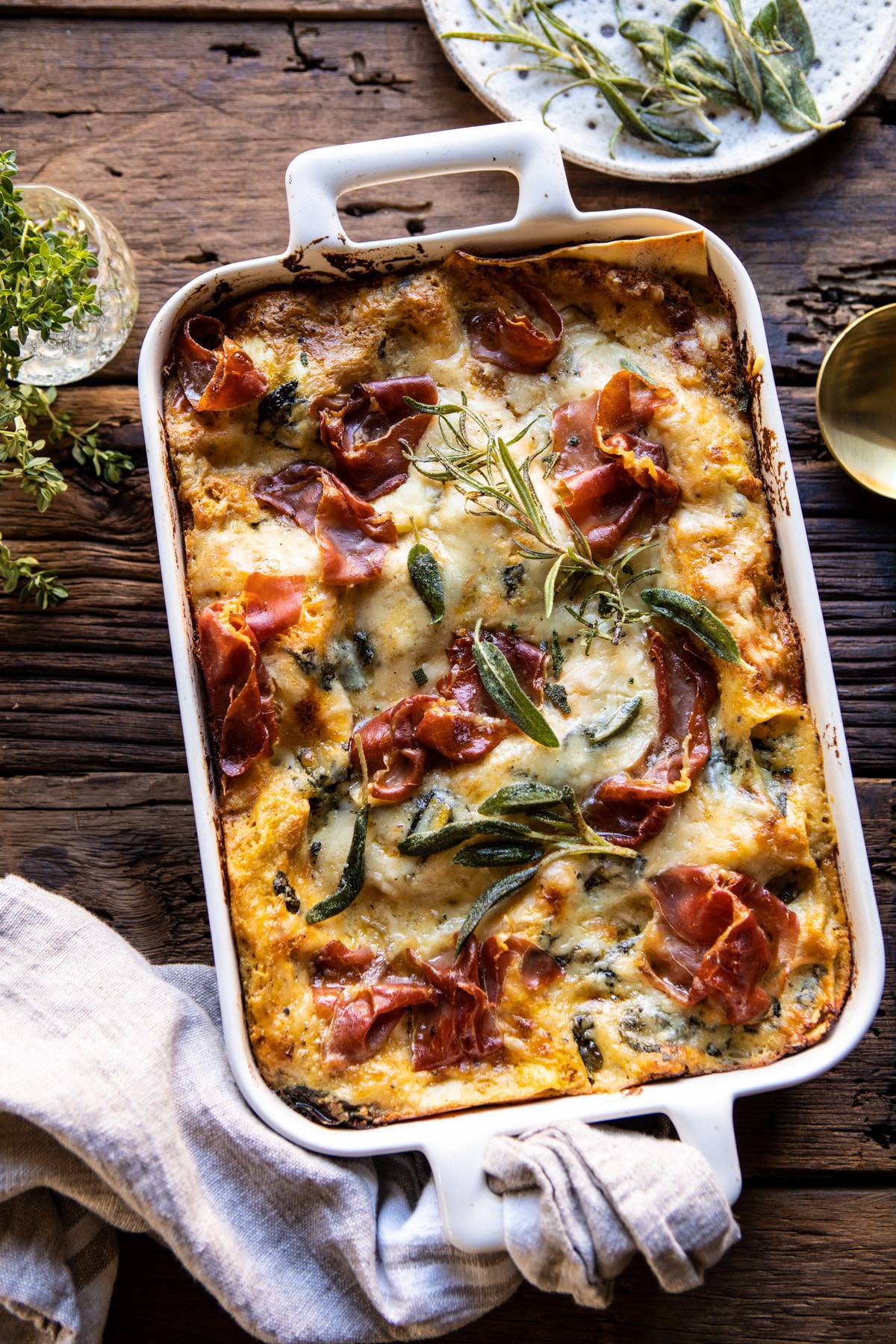
Butternut Squash Lasagna: A Smart, Budget-Friendly Dinner
You want a dinner that feels special without turning your grocery bill into a bad joke. Butternut squash lasagna fits that gap well, especially when meat prices are high and you still want something filling. The version from Budget Bytes is a useful starting point because it treats squash as the main event, not a side note. That matters now because home cooks are trying to stretch meals across busy weeks without eating the same plain pasta again. And honestly, a pan of lasagna that can cover dinner, leftovers, and maybe one freezer portion deserves a closer look.
Why This One Is Worth Your Time
- It is meatless but filling, thanks to pasta, cheese, and dense roasted squash.
- It works for meal prep because lasagna reheats better than many weeknight casseroles.
- It can be cheaper than meat lasagna if you buy squash in season or use frozen squash.
- It feels like a fall dinner without needing expensive specialty ingredients.
What Makes Butternut Squash Lasagna Budget-Friendly?
The money case is simple. Butternut squash often costs less per serving than ground beef, Italian sausage, or shredded rotisserie chicken, especially during fall and winter. Pair it with pasta sheets, a modest amount of cheese, and a basic sauce, and you get a full pan that can feed several people.
Budget Bytes has built its reputation on recipes that track cost per serving, which is why this recipe caught my eye. I have watched food sites chase viral cheese pulls for years, but the better question is duller and more useful. Will you actually make it again?
Good budget cooking is not about making dinner feel cheap. It is about spending where the meal pays you back.
Here, the payoff is texture, leftovers, and a dish that does not need meat to feel complete. That is a solid trade.
How to Shop for Butternut Squash Lasagna Without Overspending
Start with the squash. A whole butternut squash usually gives you the best value, but it takes more prep. Pre-cut squash saves time, although you pay for that knife work at the store.
Frozen butternut squash can be the smart middle ground (especially on a weeknight). It cuts down on peeling, cubing, and cleanup. Just cook off extra moisture before layering, or your lasagna can turn watery.
Use this quick shopping checklist
- Buy whole squash when you have time and a sharp knife.
- Choose frozen squash when speed matters more than the lowest price.
- Use store-brand lasagna noodles, ricotta, mozzarella, and Parmesan.
- Check the unit price on cheese, not the front-of-package price.
- Skip pricey herbs if your pantry already has sage, thyme, garlic powder, or Italian seasoning.
Cheese is the budget trap. A recipe can go from reasonable to expensive fast if you overbuy specialty cheese. Keep the cheese mix simple, and let the squash carry the flavor.
Butternut Squash Lasagna Prep Tips That Save Time
Lasagna has a reputation for being fussy, and sometimes that reputation is earned. The trick is to split the work. Roast or cook the squash ahead, then assemble the pan when you are ready.
Think of it like architecture. If the foundation is soggy, the whole building sags. For lasagna, that means your squash mixture should be creamy, not wet, and your noodles need enough sauce around them to soften without drowning.
- Cook the squash until tender, then mash or blend it to your preferred texture.
- Taste the squash mixture before assembly because pasta will mute the seasoning.
- Spread a thin layer of sauce on the bottom of the pan to prevent sticking.
- Layer evenly, with noodles, squash mixture, cheese, and sauce in balanced amounts.
- Let the baked lasagna rest before slicing so the layers hold together.
Resting is non-negotiable.
Cut too soon and you will have a hot, tasty slump instead of slices. Give it 10 to 15 minutes, and dinner looks more like something you meant to serve.
How to Make It Fit Your Household
Not every table wants the same lasagna. Some people want more cheese, some want greens, and some want the comfort of sausage. This recipe can handle changes if you keep the moisture level under control.
If you want more protein, add white beans, lentils, turkey sausage, or chicken sausage. If you want more vegetables, spinach works well, but squeeze it dry first. Mushrooms also fit, as long as you brown them until their water cooks off.
Good add-ins
- Spinach, squeezed dry after cooking
- Caramelized onions for sweetness
- White beans for low-cost protein
- Browned mushrooms for deeper flavor
- A small amount of sausage if your family expects meat
What should you avoid? Too many wet vegetables. Zucchini, fresh tomatoes, and undercooked mushrooms can all push the dish toward soup if you toss them in without prep.
Storing and Reheating Butternut Squash Lasagna
Lasagna is one of the rare dishes that may taste better the next day. The layers settle, the sauce firms up, and the flavors have more time to meet each other. That makes it useful for packed lunches or a second dinner later in the week.
Store leftovers in airtight containers in the fridge for up to a few days. For longer storage, freeze individual portions so you can reheat only what you need. A covered oven-safe dish gives the best texture, but the microwave is fine for lunch.
- For the fridge: cool the lasagna first, then cover tightly.
- For the freezer: portion it before freezing for easier reheating.
- For the microwave: add a splash of water or sauce to keep edges from drying out.
- For the oven: cover with foil, then uncover near the end if you want a firmer top.
The Real Value of Butternut Squash Lasagna
The best thing about this dinner is not that it is trendy or seasonal. It is that it solves a normal problem: you need a meal that feels generous, uses common groceries, and does not rely on a pound of meat to satisfy everyone.
I would not call it a 20-minute dinner, and that is fine. Some meals earn their place because they stretch. If you are already heating the oven and washing the cutting board, make the full pan and claim the leftovers before someone else does.
Your next practical step is simple: price the squash, cheese, and noodles at your usual store, then compare that total with your standard meat lasagna. Which pan gives you more dinners for the money?