
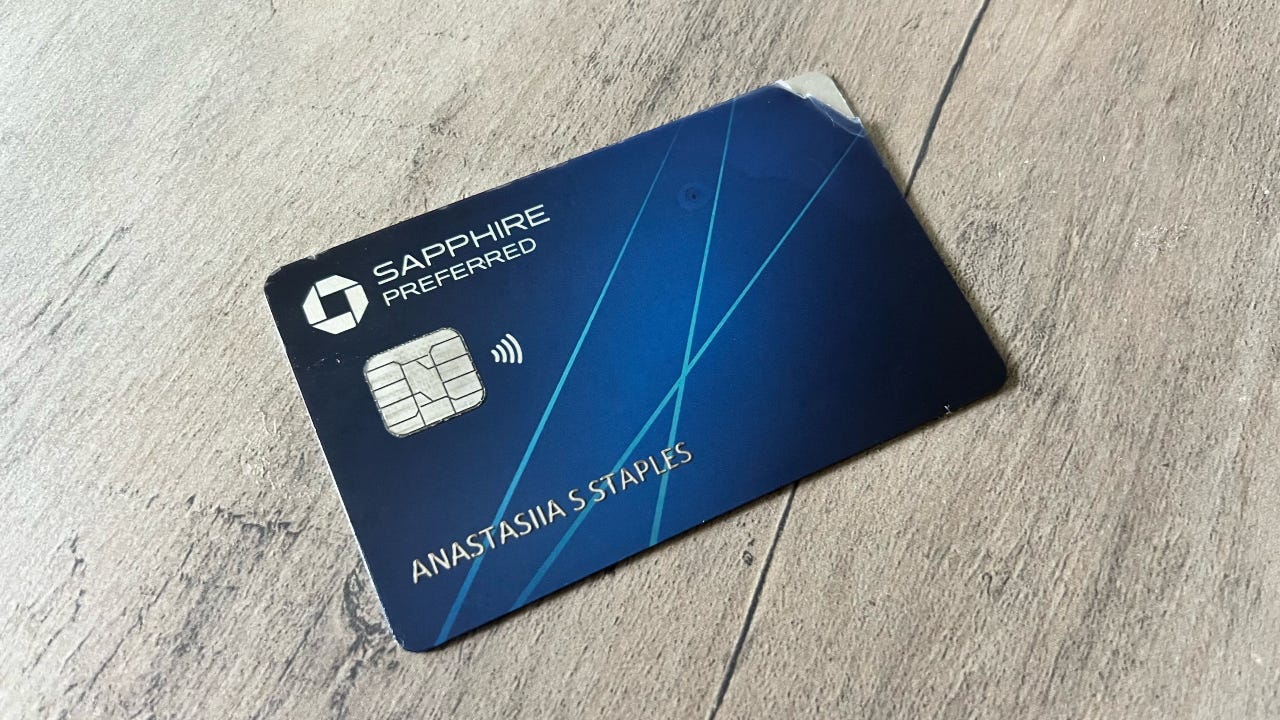
Chase Sapphire Preferred Review: Is the $95 Travel Card Worth It?
You want a travel card that earns real rewards without turning your wallet into a spreadsheet. That is why this Chase Sapphire Preferred review matters now. Travel costs remain stubborn, airline points feel harder to price, and many premium cards now charge fees that look like a cable bill. The Sapphire Preferred keeps its annual fee at $95, which makes it one of the easier travel cards to justify if you dine out, book trips, or use transfer partners. But it is not magic. You need to know how the points work, where the card falls short, and whether Chase Ultimate Rewards fits your habits before you apply. I have covered rewards cards long enough to know the trap. A great card on paper can still be a poor fit in your pocket.
What Stands Out
- Best fit: Travelers who want flexible points without paying a premium-card annual fee.
- Annual fee: $95, which is modest for a card with transfer partners and travel protections.
- Top value: Points can be transferred to airline and hotel partners, often at a 1:1 ratio.
- Main weakness: You need to use the Chase ecosystem well to get above-average value.
- Watch out: The welcome bonus changes, so check Chase’s current offer before applying.
Chase Sapphire Preferred Review: Who Should Consider It?
The Chase Sapphire Preferred Card works best for people who spend regularly on travel and dining, then redeem with some intent. If you book flights twice a year, grab takeout often, or stay at hotels where Chase partners can help, this card can pull its weight.
The card is less convincing if you hate points math. Cash back cards feel simpler because $1 is $1. Ultimate Rewards points can be worth more, but only if you choose the right exit ramp.
The $95 fee is the line in the sand.
Think of this card like a sharp chef’s knife. It is affordable, useful, and better than the cheap stuff, but it only shines if you actually cook. If your spending sits mostly in groceries, gas, or rent, another card may beat it.
Money Crashers frames the Sapphire Preferred as a strong mid-tier travel card, and that read is fair. The real question is whether you will use the benefits often enough to make the annual fee feel small.
How the Chase Sapphire Preferred Rewards Work
The Sapphire Preferred earns Chase Ultimate Rewards points. That matters because these points are more flexible than a typical airline mile or hotel point. You can book through Chase Travel, transfer points to partners, redeem for cash back, or use them for gift cards and other options.
For most cardholders, the strongest earning categories include travel, dining, select streaming services, and eligible online grocery purchases. Chase also offers a hotel credit through Chase Travel and an anniversary points boost, though terms can change and you should read the current pricing and benefits before applying.
Where the Points Usually Pay Off
The biggest upside sits in transfers. Chase has airline and hotel partners such as United MileagePlus, Southwest Rapid Rewards, Air Canada Aeroplan, British Airways Executive Club, Virgin Atlantic Flying Club, World of Hyatt, Marriott Bonvoy, and IHG One Rewards. Transfers can turn a decent points balance into a strong trip if award space lines up.
World of Hyatt is the standout for many travelers. Hyatt points often price hotels more predictably than cash rates during busy periods. I do not call many loyalty currencies dependable, but Hyatt has held up better than most.
- Use points through Chase Travel when prices are simple and you want speed.
- Transfer to airlines when cash fares are high and award seats are available.
- Transfer to Hyatt when hotel cash rates spike.
- Avoid low-value redemptions unless convenience matters more than return.
Chase Sapphire Preferred Review: Fees, Credits, and Real Cost
The headline cost is the $95 annual fee. There is no foreign transaction fee, which helps if you travel outside the United States or buy from international merchants. That part is non-negotiable for a travel card, and Chase gets it right.
The annual hotel credit can offset part of the fee, but only if you book eligible hotel stays through Chase Travel. That condition matters. If you prefer booking direct for hotel elite benefits, or if Chase Travel prices higher than the hotel website, the credit may be less useful than it looks.
Here is the simple math. If you use the hotel credit at full value and earn bonus points on dining and travel, the card can clear its fee without drama. If you ignore the credit and redeem points for weak value, you may be paying $95 for a card that performs like a no-fee product.
Travel Protections Add Quiet Value
Travel protections rarely sell a card, but they matter when plans go sideways. The Sapphire Preferred has long been known for useful coverage, including trip cancellation and interruption insurance, baggage delay insurance, trip delay reimbursement, and primary rental car coverage in many cases. You must pay with the card and meet benefit terms.
Could you buy separate travel insurance? Sure. But for routine trips, built-in protections can save you money and time. Read the benefits guide before relying on any coverage (yes, the dry PDF), because exclusions can bite.
The rental car benefit deserves extra attention. Primary rental coverage can let you avoid filing a claim with your personal auto insurer after covered theft or damage. For frequent renters, that feature alone can be worth a chunk of the annual fee.
Where the Card Falls Short
The Sapphire Preferred has a strong reputation, but it is not the best card for every spender. Its grocery rewards are limited to eligible online grocery purchases, and big retailers such as Target and Walmart often do not count. Gas also is not a headline category.
The Chase Travel portal can be useful, but portal bookings are not always the cheapest. Flights are usually fine, while hotels can be trickier because booking through a portal may block hotel elite perks or direct-booking benefits. Always compare before you click.
Here is where I push back on the hype. A flexible travel card should make your life easier, not force you to chase tiny point differences at midnight. If you do not want to compare transfer ratios, award space, and portal prices, a flat-rate cash back card may fit better.
Best Ways to Use the Chase Sapphire Preferred
You do not need to become a points obsessive to get solid value. You just need a few rules. Treat the card like a playbook, not a pile of coupons.
- Put dining and travel on the card. These are the spending areas where the card earns its keep.
- Check Chase Travel for eligible hotel credit use. Compare the portal price with the hotel’s direct price before booking.
- Learn two or three transfer partners. Hyatt, United, and Southwest are practical starting points for many U.S. travelers.
- Do not redeem blindly. If a redemption gives weak value, save the points or choose cash back only when you need simplicity.
- Pair it with a no-fee Chase card if you want more range. Some Chase cash back cards can earn Ultimate Rewards that become more useful when combined with a Sapphire card.
Who Should Skip This Card?
Skip the Sapphire Preferred if you carry a balance. Interest charges can wipe out any rewards value fast. That is true for every rewards card, but it is especially painful when you pay an annual fee too.
You should also skip it if you rarely travel. Dining rewards are nice, but the card’s best value comes from travel redemptions and transfer partners. Without those, you may do better with a no-fee cash back card focused on groceries, gas, or everyday purchases.
And if you already hold a premium travel card, compare overlap before adding this one. Some travelers keep the Sapphire Preferred for Chase transfer partners, but others may find the extra fee redundant.
My Take After Years Watching Travel Cards
The Chase Sapphire Preferred remains one of the cleanest entry points into transferable points. It is not flashy, and that is part of the appeal. You get useful rewards, credible travel protections, and a fee that does not require mental gymnastics.
Is it the highest-earning card on every purchase? No. Is it the easiest way to learn flexible travel rewards without paying $400 or more a year? For many people, yes.
If you apply, do it with a plan. Check the current welcome offer, map your first redemption, and decide how you will use the hotel credit before the card arrives. The best travel card is the one you can explain in one minute and use without regret.