
Compare Health Plans During Open Enrollment
You get a short window each year to fix one of the costliest choices in your budget. If you compare health plans only by the monthly premium, you can miss the bills that show up later through deductibles, copays, coinsurance, and out-of-network charges. That matters more now because family budgets are already tight, and medical costs rarely arrive at a convenient time. Open enrollment is your chance to check whether last year’s plan still fits your health, your prescriptions, your doctors, and your cash flow. Look, this is not fun paperwork. But it is the kind of boring money move that can save you from a nasty surprise in March. The right plan is not always the cheapest one on the screen. It is the one that matches how you actually use care.
Start Here Before You Pick
- Check your total expected yearly cost, not only the monthly premium.
- Confirm your doctors, hospitals, and clinics are still in network.
- Review prescription coverage by drug name, dosage, and pharmacy.
- Match the plan type to your health habits, risk tolerance, and savings.
- Do the math for one bad year, not just an average year.
How to Compare Health Plans Without Getting Fooled by the Premium
Premiums are easy to compare because they sit at the top of the page. They also tell only part of the story. A low-premium plan can work well if you rarely need care and can handle a larger bill if something goes wrong.
The cheapest premium can become the most expensive mistake.
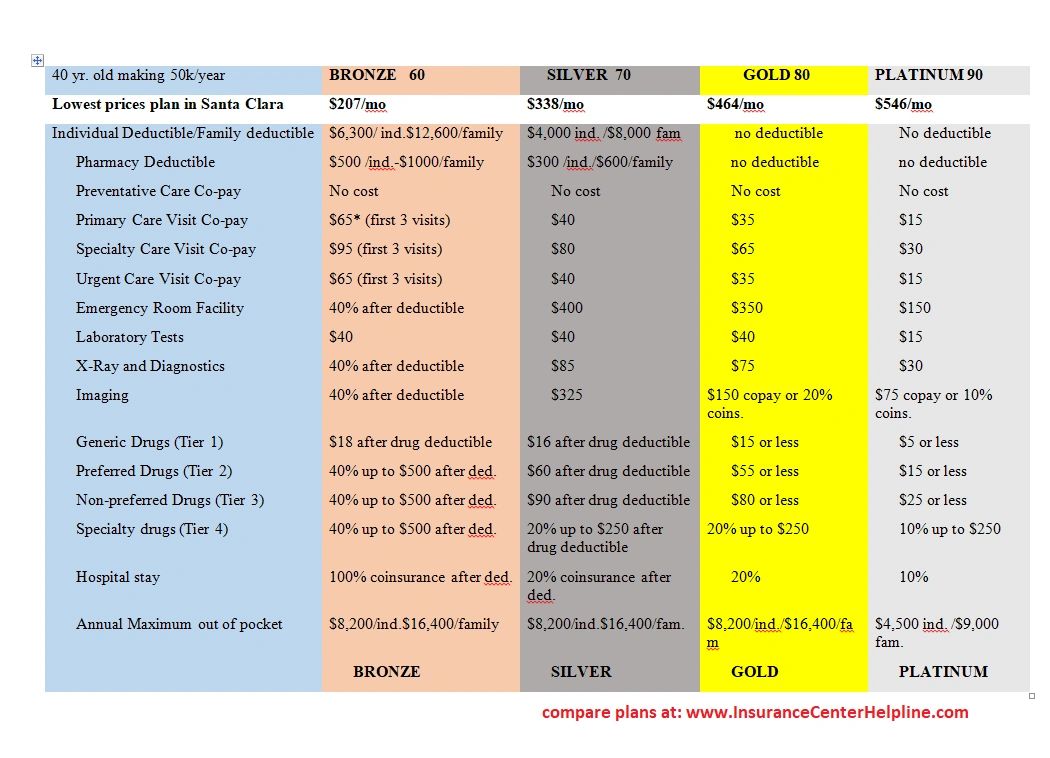
Start with four numbers: premium, deductible, out-of-pocket maximum, and copays or coinsurance. Think of it like buying a used car. The sticker price matters, but maintenance, tires, insurance, and repairs decide whether it is a bargain or a money pit.
My rule after years of covering consumer finance: if a plan looks cheap, ask where the cost moved. It usually moved to the deductible, the network, or the pharmacy counter.
Run a quick yearly cost test
Multiply the monthly premium by 12. Then add what you expect to pay for doctor visits, prescriptions, lab work, therapy, specialist care, or planned procedures. This rough number gives you a better comparison than premium alone.
Then run a second version for a bad year. What happens if you need an MRI, surgery, a hospital visit, or a new brand-name medication? That is where the out-of-pocket maximum becomes non-negotiable.
Compare Health Plans by Network, Not Just Price
Networks change, and that is where people get burned. Your primary care doctor may have been covered last year but dropped this year, or your preferred hospital may sit outside the plan’s network. Do not rely only on memory.
Check the insurer’s provider directory, then call the doctor’s office to confirm. Ask whether the doctor accepts the exact plan name, not just the insurance company. Big insurers sell many plan versions, and one small label can change your cost.
Questions worth asking
- Is my primary doctor in network for this exact plan?
- Are my specialists covered?
- Which nearby hospitals are in network?
- Do I need referrals before seeing a specialist?
- Does the plan cover care when I travel?
Families should also check pediatricians, urgent care centers, mental health providers, and preferred labs. A plan can look fine until your child needs a weekend visit and the closest covered clinic is across town.
Compare Health Plans Against Your Prescriptions
Prescription coverage deserves its own pass. Insurers sort medications into tiers, and those tiers decide what you pay. A drug that costs $10 under one plan may cost far more under another if it falls into a higher tier or needs prior approval.
Search each plan’s drug list, often called a formulary. Use the exact medication name, dosage, and frequency (yes, that tiny detail matters). Also check whether your pharmacy is preferred, standard, or out of network.
People taking insulin, asthma medication, ADHD medication, antidepressants, blood thinners, or specialty drugs should be extra careful. What feels like a small difference on paper can hit your checking account every month.
Match the Plan Type to How You Use Care
Plan letters and labels can feel like alphabet soup. HMO, PPO, EPO, POS, HDHP, and HSA all shape how you get care and how much freedom you have. The best choice depends on your habits, not on which acronym sounds familiar.
- HMO: Usually lower cost, but you often need in-network care and referrals.
- PPO: More provider flexibility, often with higher premiums.
- EPO: In-network care is the focus, usually without out-of-network coverage except emergencies.
- HDHP with HSA: Lower premiums may pair with higher deductibles, but eligible plans let you save in a health savings account.
A high-deductible health plan can make sense if you are healthy, have emergency savings, and want access to an HSA. But if you skip care because the deductible feels too steep, the plan may work against you.
Use Open Enrollment to Fix Last Year’s Friction
Your past year is the best clue you have. Pull your insurer’s claims history, pharmacy receipts, and any surprise bills. Then look for patterns you do not want to repeat.
Did you pay too much for out-of-network therapy? Did a specialist require a referral that slowed you down? Did your plan deny a medication until your doctor filed extra paperwork? Those are not minor annoyances if they happen all year.
A simple review checklist
- List your regular doctors and clinics.
- List your prescriptions and monthly refill costs.
- Add planned care for the coming year, such as childbirth, surgery, braces, or ongoing therapy.
- Compare each plan’s deductible and out-of-pocket maximum.
- Check whether an HSA or FSA can lower your taxable income.
This is also the time to update dependents and coverage needs. A new baby, marriage, divorce, job change, move, or diagnosis can turn last year’s smart pick into this year’s bad fit.
Do Not Ignore Subsidies, Employer Contributions, and Tax Breaks
If you buy coverage through a marketplace, check whether you qualify for premium tax credits or cost-sharing reductions. Your income, household size, and state rules can change the final price. Healthcare.gov is the main federal marketplace, though some states run their own exchanges.
If you get coverage through work, compare the employer contribution across plan choices. One plan may look richer, but your employer may subsidize another plan more heavily. That difference can change the math fast.
Also look at HSA and FSA options. An HSA belongs to you and can roll over year to year if you are eligible. An FSA can help with predictable expenses, though many plans follow use-it-or-lose-it rules with limited carryover.
What I Would Do Before Enrolling
I would narrow the list to two or three plans, then build a small spreadsheet. One column for premiums. One for expected care. One for prescriptions. One for the worst-case out-of-pocket exposure.
Would you rather save $60 a month and risk a $4,000 deductible, or pay more each month for steadier costs? There is no universal answer. Your answer depends on your health, savings, family needs, and how much uncertainty your budget can absorb.
Before you click enroll, call at least one provider office and one pharmacy to verify coverage. Then save screenshots or PDFs of the plan summary, provider confirmation, and drug coverage. If a billing dispute pops up later, paper beats memory.
Your Next Move Before the Window Closes
Set a 45-minute calendar block and compare health plans with real numbers, not guesses. If you have a spouse or partner, do it together so one person does not carry all the fine print.
Open enrollment rewards the people who slow down for one evening. The plan you pick now can shape every medical bill you see next year, so make the choice with your eyes open.