
Credit Unions vs Banks: Which Fits Your Money Best?
If you are choosing between a credit union and a bank, the wrong pick can cost you money in fees, lower savings returns, or weaker loan terms. The right pick can make everyday banking cheaper and less annoying. That is why credit unions vs banks still matters, even if most checking apps look the same on the surface. One may give you better rates and friendlier service. The other may give you a bigger branch network and more polished tech. Which one is better for you? That depends on how you bank, borrow, and save.
What matters most in credit unions vs banks
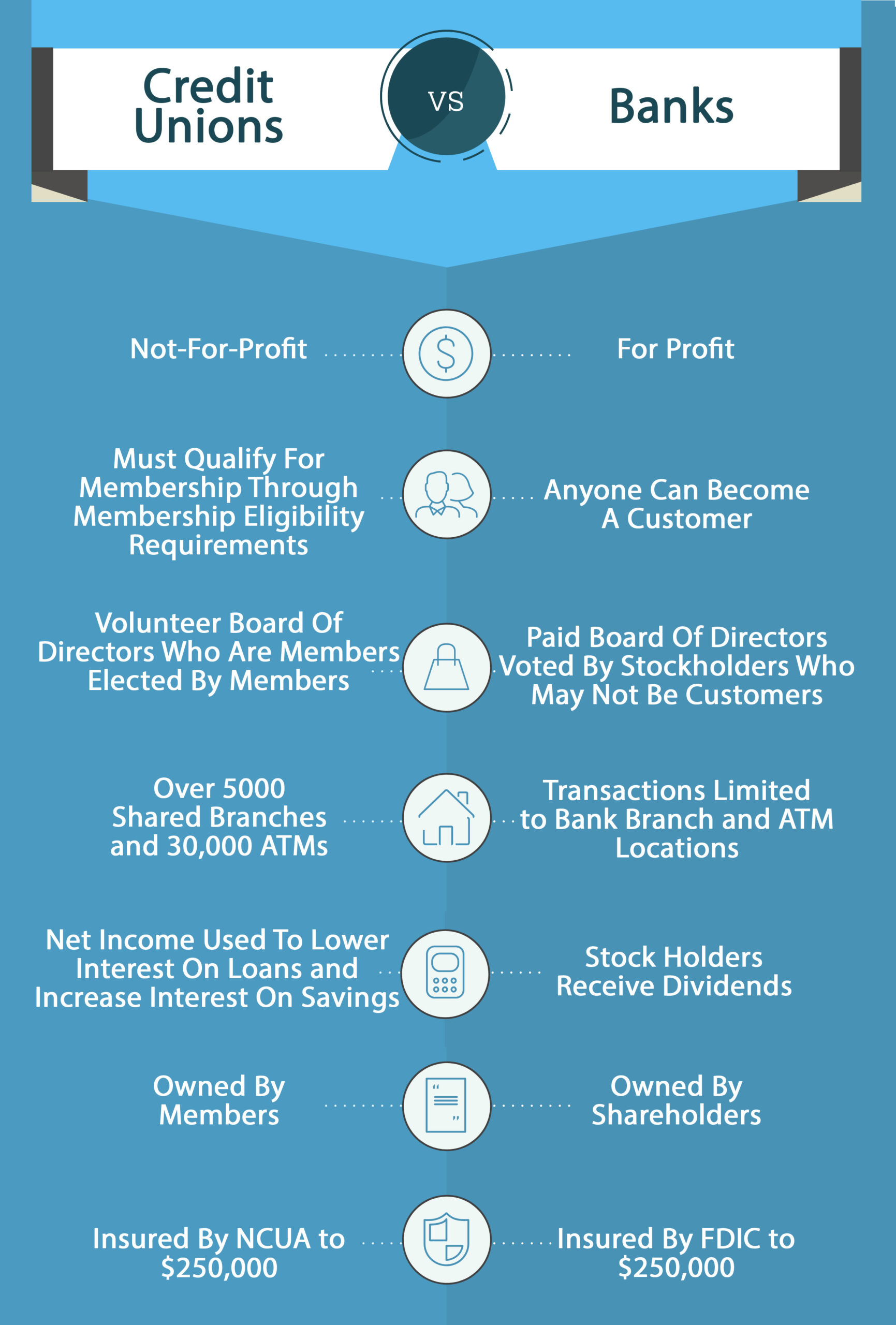
- Credit unions are member-owned and often return value through lower fees and better loan rates.
- Banks are for-profit and usually offer wider branch and ATM networks.
- Interest rates on savings and loans can differ in your favor at either institution, so compare the actual numbers.
- Access and convenience may matter more than ideology if you travel, move money often, or need in-person help.
- Your habits decide the winner. Heavy cash use, frequent loans, or low balances can change the math fast.
How credit unions work, and why people care
Credit unions are nonprofit financial cooperatives. You become a member, usually by meeting a field-of-membership rule tied to your employer, school, location, or another common bond. Because they are owned by members, their pricing can be friendlier on checking, auto loans, and personal loans.
That does not make every credit union the best choice. Some are tiny. Some have clunky apps. Some still lag on digital tools that big banks treat as table stakes (mobile deposit, instant transfers, card controls). But if you keep balances modest and hate fees, a good credit union can be a solid fit.
Money rule: the best financial institution is the one that matches your habits, not the one with the slickest ad campaign.
Where banks still win
Banks tend to have scale. That means more branches, more ATMs, and a smoother path if you move across states or want one account that travels with you. Large banks also tend to spend more on app features, fraud tools, and support systems.
And yes, some banks still charge ugly fees. But they also may offer perks that matter to you, like broad Zelle support, bundled products, or strong business banking tools. If you keep higher balances, you may also qualify for fee waivers or relationship pricing that changes the equation.
Think like a mechanic, not a marketer
Choosing between credit unions vs banks is a lot like picking tools for a repair job. A fancy tool chest looks nice, but the best wrench is the one that fits the bolt. Your money works the same way. If you need cheap borrowing, look at loan rates. If you need easy cash access, look at ATM coverage.
Credit unions vs banks: the fee and rate test
This is where the decision gets real. Do not compare slogans. Compare the actual account terms.
- Check monthly maintenance fees. Can you avoid them with direct deposit, minimum balances, or account activity?
- Compare overdraft policies. Some institutions are much cheaper than others when you slip up.
- Look at savings yields. Rates can change often, so compare APYs on high-yield savings and CDs.
- Compare loan APRs. Auto loans, credit cards, and personal loans can differ by a lot.
- Review ATM access. Out-of-network fees add up fast if you withdraw cash often.
The National Credit Union Administration insures most credit union deposits up to $250,000, just like FDIC insurance for banks. That means the safety baseline is similar if your account is covered and you stay within limits.
When a credit union makes more sense
A credit union can be the better deal if you want lower-cost borrowing and more personal service. That often helps first-time car buyers, borrowers rebuilding credit, and people who keep smaller balances. Credit unions also tend to be less aggressive about fee stacking.
Look, if you rarely need branch access and you care more about saving a few dollars a month than about fancy app extras, a credit union deserves a hard look. Why pay more for a brand name if the cheaper option does the job?
When a bank is the smarter pick
A bank can make more sense if you want nationwide access, advanced digital tools, or business services. Frequent travelers often prefer the convenience. So do people who move between cities and do not want to switch institutions every time life changes.
Some online banks also blur the old bank-vs-credit-union line. They may offer high-yield savings, no monthly fees, and broad ATM access through partner networks. That makes the old tradeoff less simple than it used to be.
How to choose without getting burned
Start with your habits, then shop by product. Open the account you need most first. That might be checking, savings, or an auto loan.
- If you keep a low balance, prioritize no-fee checking.
- If you are saving cash, compare APY and withdrawal limits.
- If you plan to borrow, compare APR, term length, and fees.
- If you travel, verify ATM and branch access before you switch.
- If you want local service, test phone support before you commit.
Do not assume the first institution you join will be your forever home. Many people use a credit union for loans and a bank for daily spending. That split can work well if you are willing to manage two accounts.
A practical move for this year
Pull up your last three months of statements and count the real costs. Add monthly fees, ATM charges, overdraft fees, and loan interest you paid. Then compare those numbers against two alternatives, one credit union and one bank.
That simple check cuts through the noise. The next time you see a shiny banking ad, ask a sharper question: does this account save you money, or does it just look modern?