Credit Utilization: How to Lower It Fast
If your credit score keeps wobbling and you cannot figure out why, credit utilization is usually the first place to look. It measures how much of your available revolving credit you are using, and it can move your score faster than you expect. That matters now because lenders still use credit scores to price loans, set card limits, and decide who gets approved. A high balance on one card can drag down the whole picture, even if you pay on time.
Here’s the thing. You do not need to carry debt forever to hurt your score. Even a temporary spike can matter, especially when your statement closes. The fix is usually practical, not dramatic. Think of it like keeping a car’s tires at the right pressure. Ignore it, and the ride gets rough.
- Credit utilization is the share of your revolving credit limit that you are using.
- Lower is better, and many scoring models reward you most when you stay well below 30%.
- Your statement balance often matters more than the balance you pay later.
- Paying early, spreading charges, or asking for a limit increase can help.
- One maxed-out card can hurt you more than several smaller balances.
What credit utilization means
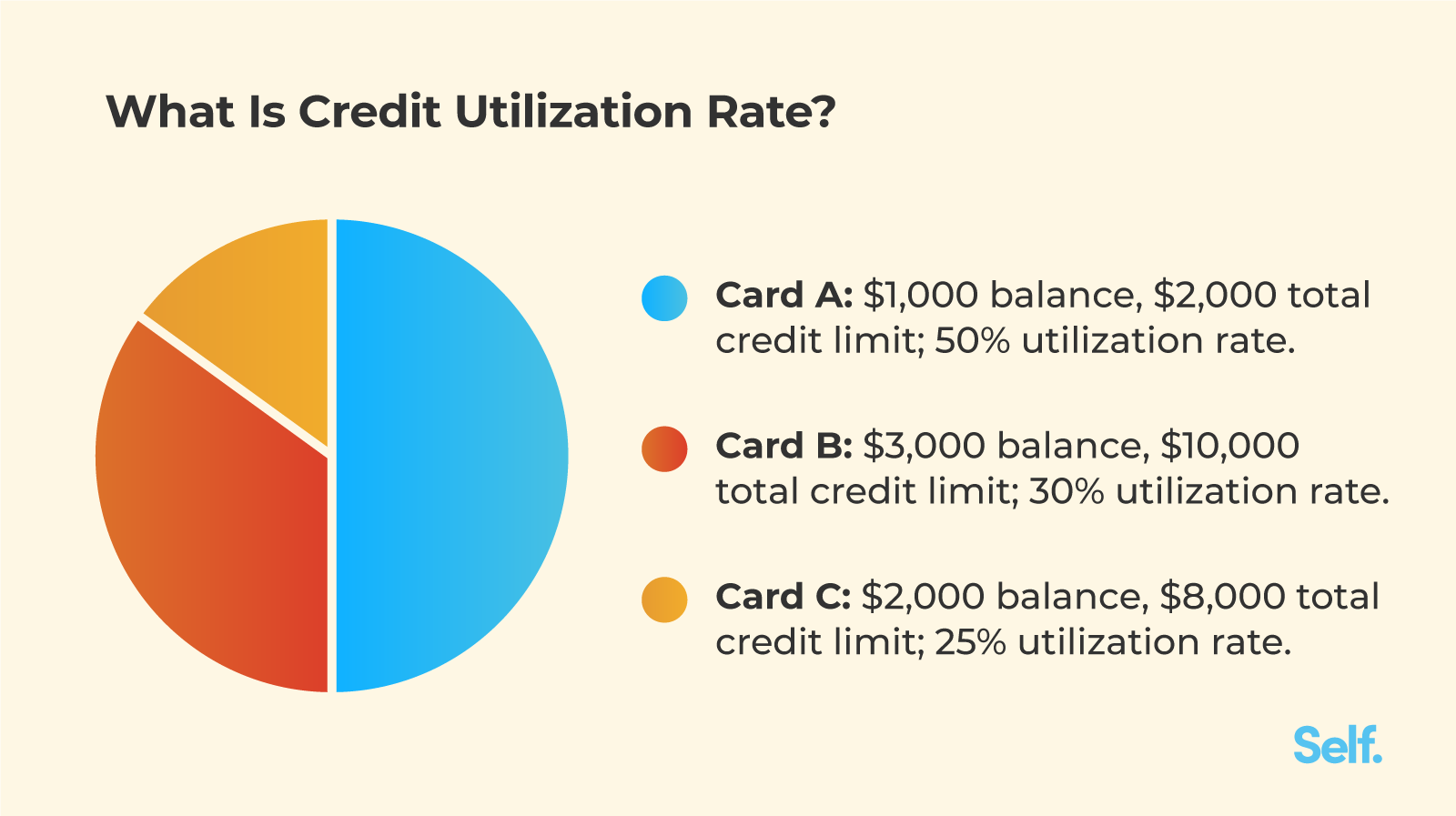
Credit utilization is simple math. Divide your balance by your credit limit, then multiply by 100. If you owe $300 on a card with a $1,000 limit, your utilization on that card is 30%.
Scoring models usually look at both card-by-card utilization and overall utilization across all revolving accounts. That means you can have a decent total ratio and still take a hit from one card that is near the limit. Oddly enough, the card you swipe least can become the loudest problem if it carries a big balance at statement time.
Why credit utilization affects your score
Lenders read high utilization as a stress signal. It can suggest you are leaning hard on credit, even if you have never missed a payment. FICO and VantageScore both weigh revolving balances, though the exact formulas differ.
“Credit utilization is one of the fastest-moving parts of a credit score.”
That speed cuts both ways. A balance drop can help quickly. A balance spike can do damage just as fast.
Credit utilization: what ratio should you aim for?
People often hear the 30% rule, but that is a ceiling, not a target. If you want better odds with scoring models, aim for single digits when you can. A lower ratio usually helps more than a barely acceptable one.
For example, if you have a $5,000 limit, try to keep the balance below $500 before the statement closes. If you can keep it under $150, even better. Why leave points on the table?
One card versus all cards
Your overall ratio matters, but individual cards matter too. A card that is 90% used can sting your score even if your combined utilization looks fine. That is why a balance transfer or payment shift can help in a pinch.
How to lower credit utilization without waiting months
- Pay before the statement closes. If your card issuer reports the balance at statement close, an early payment can lower the number that reaches the credit bureaus.
- Make two payments a month. One mid-cycle payment and one at the due date can keep the reported balance lower.
- Ask for a credit limit increase. If your income and payment history support it, a higher limit can reduce your ratio without changing spending. Do not use the extra room as an excuse to charge more.
- Move balances around carefully. Put new spending on cards with more room and pay down the most used card first.
- Reduce utilization before big applications. If you plan to apply for a mortgage or auto loan, clean up balances a few weeks ahead of time.
Paying a card down is usually the cleanest fix. But if cash flow is tight, limit increases and payment timing can buy you breathing room.
Credit utilization mistakes that hurt scores
Some habits look harmless and end up being expensive. The biggest one is waiting until the due date to pay in full. That helps you avoid interest, but it may not help the reported balance if the issuer sends data before you pay.
Another common mistake is maxing out one card while leaving another untouched. Scoring models do not care that your spending is “balanced” in your head. They look at numbers, not intentions.
- Letting a card hit its limit.
- Ignoring the statement closing date.
- Keeping a large balance on a low-limit card.
- Using every card close to the max at once.
And yes, closing a paid-off card can backfire if it cuts your total available credit. That is not always a bad move, but it should be a deliberate one.
How to track credit utilization the smart way
Check your balances a few days before your statement closes. That is the number that often gets reported, not the one you pay later in the month. Most card issuers show your statement date and payment due date in the app.
Use those dates to plan. If you know a card reports on the 18th, pay it down by the 15th. Simple. Effective. Boring in the best way.
A quick example
Say you have two cards. Card A has a $2,000 limit and a $1,400 balance. Card B has a $3,000 limit and a $300 balance. Your total utilization is 34%, but Card A is at 70%. That single card is doing the most damage, so focus there first.
Want the fastest score lift from utilization? Lower the balance on the card closest to its limit, then watch the reported numbers after the next closing date.
What to do next
If your score is stuck, pull your recent statements and write down each card’s limit, balance, and closing date. Then sort the cards by utilization, highest to lowest. That gives you a clean target list.
Credit utilization is one of the few score factors you can move quickly without asking anyone for permission. Use that to your advantage. Which card will you pay down first?