
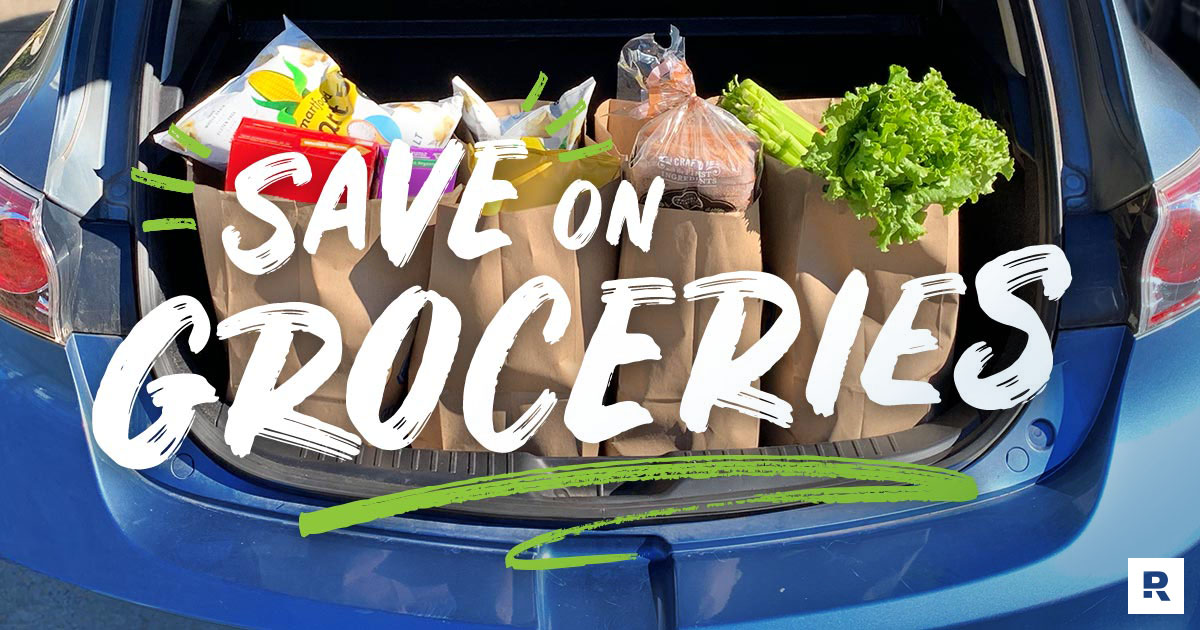
Grocery bills keep climbing, yet you still need fresh food that fits your lifestyle. The urgency to save money on groceries is no longer a nice-to-have – it is a survival skill. Between dynamic pricing, shrinkflation, and endless aisle layouts designed to upsell you, the modern supermarket is a maze. The good news: a few data-driven habits, tech shortcuts, and smarter storage choices can cut your weekly spend without sacrificing taste. This strategic guide shows you how to convert impulse buying into intentional stocking, how to decode unit pricing like a product manager, and how to wield loyalty apps the way a developer uses APIs. If you want to keep eating well while the economy keeps throwing curveballs, these moves will keep your cart lean and your pantry powerful.
- Audit your baseline spend and automate a realistic weekly cap tied to your pantry inventory.
- Leverage price-per-unit math, store brands, and substitution swaps to neutralize marketing traps.
- Use freezer batching, batch cooking, and zero-waste storage to turn bulk buys into ready meals.
- Stack loyalty apps, digital coupons, and cashback tools without adding checkout friction.
Save Money On Groceries Starts With A Data Mindset
Most shoppers underestimate how much drift happens between planning and checkout. Treat your cart like a product roadmap: every item must justify its sprint. Begin by logging two normal weeks of receipts and tagging each item as need or want. Patterns emerge fast: premium beverages, duplicate snacks, or forgotten staples that trigger extra trips. Once you see the leak points, set a weekly cap that matches your household headcount and dietary needs. A practical budget uses a simple formula: weekly_grocery_cap = household_size * 40. Adjust for city premiums or dietary constraints, but keep it fixed so you feel the friction when you exceed it.
Next, align your planning cadence with store cycles. Most chains refresh promotions midweek. Planning on Tuesday night for a Wednesday shop gives you first access to discounted produce and proteins. To avoid impulse creep, pre-commit to a list that maps to meals, not just ingredients. Think in modules: a protein base, two vegetables, a starch, and a flexible flavor agent like gochujang or pesto. This keeps you nimble if a planned item is sold out and you need to swap quickly.
MainKeyword In Your Cart: Headers Matter For Your Budget
Navigation matters in a store just as it does on a website. High-margin goods sit at eye level; essentials hide on bottom shelves. Place your own constraints with a store path that hits produce and proteins first, then pantry staples, and leaves snack aisles last. If you have kids in tow, hand them a specific mission – grabbing bananas or oats – to minimize random grabs. Every deviation is a push notification you did not ask for.
Use unit pricing as your analytics dashboard. The shelf tag often shows $/oz or $/lb. Compare across sizes; the largest pack is not always cheaper when promotions stack. Record three benchmark prices for your most frequent items – milk, eggs, rice – so you know instantly if a sale is real. If your store allows it, scan barcodes with the app to surface digital coupons you might have missed. This is the grocery version of A/B testing your spend.
Plan Like A Dev: Lists, Scripts, And Version Control
A static list is a blunt tool. Treat it like a living sprint backlog with clear priorities. Split items into three stacks: Core (must-buy staples), Flex (sale-driven swaps), and Luxury (only if budget allows). That way, when a surprise discount appears, you know exactly what can be bumped.
// Sample grocery list structure in pseudo-JSON
{
  "core": ["eggs", "oats", "brown rice", "frozen broccoli"],
  "flex": ["chicken thighs", "tofu", "lentils"],
  "luxury": ["artisanal cheese", "sparkling water"]
}
Automate reminders: set a recurring calendar event that includes your running list. If you use a shared household note, tag items with #core or #flex so partners know what can be replaced. When you shop, stick to a rule: if an unplanned item goes in, something else comes out. This is code review for your cart.
Exploit Pricing Physics Without Gaming The System
Retailers use psychology to increase basket size: end caps, limited-time signage, and bundled offers. Counter by deciding in advance which categories you will bulk-buy. Bulk works when the product is shelf stable or freezable and you have a plan to use it. Bulk fails when it drives waste. Favor high-utility items like rice, beans, pasta, or frozen vegetables. Skip bulk fresh produce unless you are batch cooking.
Look for private labels. Store brands often share manufacturers with national brands but skip the marketing cost. Default to private label for pantry basics and dairy, then reserve branded purchases for items where taste really varies. If you want a premium item, wait for a multi-buy promotion and freeze what you can. Use the first-in-first-out rule at home so nothing expires in the back of the fridge.
Prep To Win: Freezer As A Profit Center
Your freezer is an asset, not a graveyard. Convert weekend time into weekday savings by batch cooking proteins and sauces. Cook a tray of chicken thighs, portion into meal-size bags, and freeze flat for faster thawing. Blanch and freeze greens before they wilt. Make flavor bases – caramelized onions, roasted garlic, herb butter – and portion them in an ice cube tray. Each cube is a cost-controlled flavor bomb that prevents pricey takeout.
When you see a meat or seafood sale, think conversion: can you marinate now and freeze for later? Label bags with a date and a simple use_by policy like +60 days. This is version control for food safety. If freezer space is tight, prioritize high-value proteins and skip bulky items like bread you will not finish.
Stack Loyalty, Coupons, And Cashback With Minimal Friction
Loyalty programs are often worth it if you avoid the trap of buying more to chase points. Activate digital coupons before you enter the store. Combine store rewards with a single cashback app so you do not juggle receipts. If you have a credit card with grocery multipliers, assign it as your default and track the monthly statement against your budget. Set alerts in your banking app when spend crosses 75 percent of your weekly cap.
Pro tip: treat loyalty points like expiring currency. Convert them into staples or freezer-friendly proteins, not novelty snacks.
Watch out for multi-buy offers that require three or more units. If you cannot use or freeze them before expiry, skip the deal. It is only a savings if it fits your plan.
Cut Waste With Better Storage And Meal Rotation
Food waste is the silent budget killer. Invest in transparent containers so you can see leftovers. Store herbs upright in water like flowers, and move perishables that expire soon to the front of the fridge. Adopt a weekly fridge reset night: finish or repurpose items before the next shop. A simple rotation plan looks like this:
// Weekly meal rotation
Mon: stir-fry with weekend leftovers
Tue: soup using aging vegetables
Wed: fresh-produce salad day
Thu: freezer meal
Fri: flex night (new recipe or leftovers)
Every rotation slot has a purpose. It keeps you from forgetting a bag of spinach until it liquefies. It also reduces the temptation to order takeout because you already have a ready path to dinner.
Know When And Where To Shop
Timing is leverage. Early mornings often yield marked-down bakery items and proteins nearing their sell-by date. If your store offers dynamic markdowns, learn the pattern and plan accordingly. Choose stores that price-match or have consistent private label quality. If you have multiple options nearby, map your top 15 items and compare total basket costs monthly. The cheapest store for produce may not be cheapest for dairy. Consider splitting your shop: high-value items at a discount grocer, specialty items at a premium store.
If transportation is a factor, factor it into cost. A cheaper store across town may not be cheaper after fuel or transit. For urban shoppers, delivery memberships can pay off if you batch orders and avoid impulse add-ons. Just remember to tip ethically and keep fees inside your budget.
Why This Matters: Financial And Mental Bandwidth
Groceries are one of the few controllable budget lines that also affect health. Reducing spend without sacrificing nutrition frees cash for debt payoff, savings, or experiences that matter more. It also reduces decision fatigue. When your pantry runs on a system, you waste less time wondering what to cook and less money on emergency takeout.
This is not austerity – it is optimization. By treating your cart like a roadmap and your kitchen like a well-managed repo, you get compound returns: lower bills now and better habits later. Rising prices are a macro force you cannot control, but your strategy is entirely in your hands.
Future-Proof Your Grocery Game
Retail tech will keep evolving. Expect more personalized pricing, AI-driven promotions, and app-only deals. That means your ability to save money on groceries will depend on how well you adapt. Keep your data: track prices in a simple spreadsheet or note app. If a store starts offering tailored discounts, compare them against your benchmarks to ensure they are real savings, not nudges to spend more.
Also watch for sustainability shifts. As more retailers push refill stations or package-free options, cost per unit could drop for bulk-friendly shoppers. Staying flexible with your shopping format – in-store, curbside, delivery, refills – lets you pick the channel that offers the best value each week.
Action Plan For This Week
- Set a weekly cap with the
household_size * 40formula and add it to your banking alerts. - Create a three-tier list (
core,flex,luxury) and share it with your household. - Benchmark unit prices for your top 10 items and note sale thresholds.
- Batch cook one protein and one sauce, freeze in flat portions, and label with dates.
- Join one loyalty program and one cashback app, preload digital coupons, and avoid multi-buy traps.
Execute these steps, and you will see real savings within two shopping cycles. Groceries will stop being a wildcard and start being a controlled variable in your financial life.