How to Build a Frugal Family Budget That Holds Up
If your money seems to vanish before the month ends, you are not alone. Family spending has a way of spreading into every corner of life, from groceries and school costs to streaming bills and surprise fees. A frugal family budget matters now because prices stay stubbornly high, and small leaks add up faster than most households expect. The hard part is not making a budget on paper. It is building one you can actually live with when schedules get messy, kids need things, and convenience starts to cost real money.
Look, a good budget should feel less like punishment and more like a system. It should show you what matters, what is waste, and where you still have room to breathe. Think of it like setting up a kitchen. If the tools are in the right drawers, dinner gets made. If not, every night turns into a scramble.
Where this saves the most
- A frugal family budget works best when you cut recurring waste first, not random one-off treats.
- Housing, food, transportation, and childcare usually drive the biggest gains.
- Tracking every dollar forever is less useful than reviewing problem categories every week.
- Simple rules beat detailed spreadsheets if your household is busy.
What makes a frugal family budget work?
The strongest budgets are blunt about trade-offs. You decide what gets protected, such as rent, debt payments, emergency savings, and groceries. Then you cap the categories that tend to expand on their own, like takeout, Amazon purchases, kids’ activities, and subscription creep.
That is the shift many families miss. They try to trim everything a little, which usually fails. A better move is to cut hard where you care least and leave room where daily life would otherwise crack.
Frugality works when it matches your values, not when it copies someone else’s rules.
And yes, this means being honest about your weak spots. If convenience spending blows up every stressful week, your budget needs a plan for that. Not guilt. A plan.
How to start a frugal family budget without overcomplicating it
1. List fixed costs first
Start with the bills that are hard to change fast. That includes housing, insurance, minimum debt payments, utilities, internet, and childcare. These numbers tell you how much room you actually have.
2. Review the last 60 to 90 days of spending
Use your bank and card statements. Group spending into broad buckets, not 37 tiny labels. Groceries, dining out, transportation, household, medical, kids, and fun is enough for most families.
What usually shows up? A few categories do most of the damage. According to the U.S. Bureau of Labor Statistics Consumer Expenditure Survey, housing, transportation, and food are among the largest household spending areas in the average American budget. That is where deeper cuts often matter most.
3. Set spending caps for the flexible categories
- Groceries
- Dining out
- Gas and transport
- Household basics
- Kids and school extras
- Fun money
Keep the first version simple. You can adjust later. Honestly, most families do better with six useful categories than with a color-coded financial maze.
4. Add one buffer line
Build in a small monthly cushion for the stuff that always pops up. A class fee. A prescription. A birthday gift. Even $50 to $150 can stop the budget from falling apart.
That buffer is non-negotiable.
Where to cut first in a frugal family budget
If you want faster results, go after recurring costs before squeezing coupon-level savings. This is where years of covering personal finance hype have made me skeptical. People love talking about latte math. Fine. But the bigger wins usually come from the bills that keep hitting every month.
Housing
Housing is often the largest expense. If your mortgage or rent eats too much of your take-home pay, no amount of meal planning will fully fix that. A roommate, refinance, move, or renting out part of your home can change the math in a way smaller cuts never will.
Food
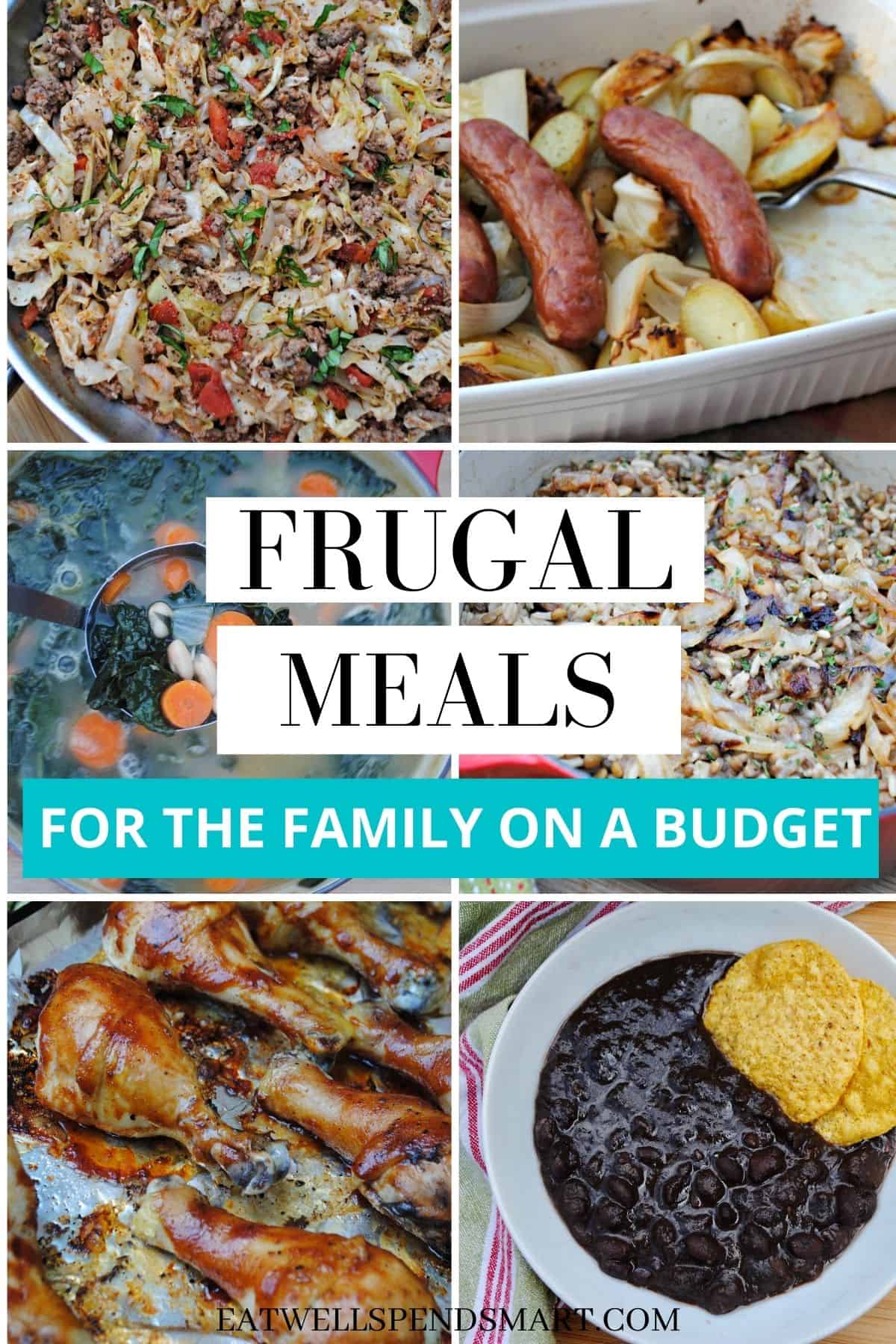
Food is emotional because it touches daily life. Still, this category often has real slack. Meal planning, store brands, bulk staples, fewer snack runs, and a tighter takeout rule can lower spending without making family life miserable.
A practical rule: plan five cheap dinners, one leftovers night, and one flexible night. It works because it leaves breathing room (which busy homes need).
Transportation
Car payments, insurance, fuel, parking, and maintenance can quietly drain a budget. A paid-off used car usually beats a shiny monthly payment. If your family can manage with one vehicle, the savings can be seismic.
Subscriptions and convenience spending
Streaming, delivery memberships, app fees, digital storage, meal kits, and forgotten renewals are the modern budget leak. Audit these every three months. If you would not sign up again today, cancel it.
How to make a frugal family budget stick with kids
Families fail at budgeting when the system lives in one person’s head. Get everyone some level of visibility. Your children do not need full financial disclosures, but they should understand basic boundaries.
For younger kids, that can mean fixed choices. One activity at a time. One treat at the store. Library trips before bookstore trips. For older kids, show how trade-offs work. If sports fees are high this season, maybe vacation spending gets trimmed. That is not harsh. It is real life.
Here’s the thing. Kids notice stress more than numbers. A calmer plan often helps the whole house.
Common mistakes that wreck a frugal family budget
- Budgeting from guesses. Statements tell the truth better than memory does.
- Ignoring irregular expenses. Holidays, back-to-school costs, car repairs, and annual fees are not surprises. They are scheduled reality.
- Making the plan too strict. If there is zero room for fun, the rebound spending usually hits hard.
- Focusing only on tiny cuts. Trim small waste, yes. But attack the largest categories first.
- Never reviewing the numbers. A weekly 15-minute check-in beats a heroic monthly reset.
What to do each week
You do not need a daily money obsession. You need a short routine.
- Check account balances.
- Review grocery, dining, and household spending.
- Look ahead for school, medical, or social costs.
- Move extra money to savings if anything is left.
That last step matters. The Consumer Financial Protection Bureau and many financial planners push automatic saving for a reason. If money stays in checking, it tends to get spent.
A smarter finish line
The goal of a frugal family budget is not to look extreme. It is to make your money do the job you need it to do, month after month, without constant drama. If your current system feels brittle, simplify it. Cut the recurring waste. Protect the categories that keep your household stable. Then review and adjust before small slips turn into expensive habits.
And if one budget line keeps failing, ask the harder question. Is the number wrong, or is the lifestyle behind it due for a reset?