
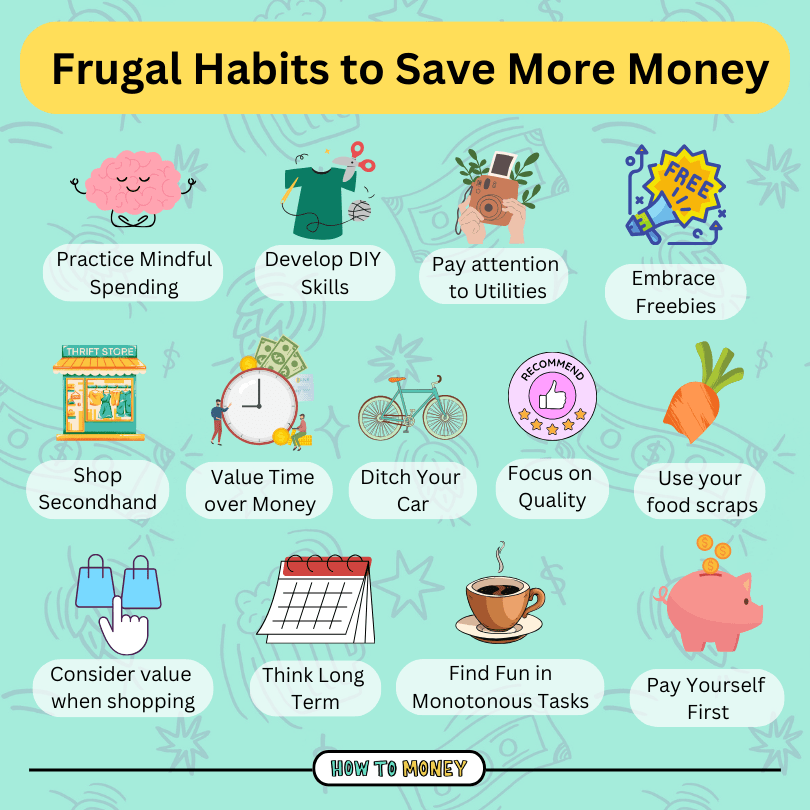
Frugal Habits for 2026 That Actually Cut Spending
Prices are still squeezing household budgets, and small leaks in your spending can turn into real damage over a year. That is why frugal habits for 2026 matter now. You do not need a total lifestyle overhaul. You need a few steady routines that make it harder to waste money on groceries, subscriptions, takeout, and impulse buys. I have covered personal finance long enough to know this: flashy savings hacks get attention, but boring systems keep cash in your account. If your goal is to spend less without feeling miserable, focus on habits you can repeat when life gets busy. That is the test. And yes, some of the best moves are almost dull. They still work.
Start Here
- Track your repeat spending before chasing tiny one-off savings.
- Plan meals around what you already own to cut food waste and grocery overbuying.
- Use waiting periods for nonessential purchases so impulse buys lose their grip.
- Audit subscriptions and auto-renewals at least once each quarter.
- Build low-cost defaults for weekends, gifts, and convenience spending.
Why frugal habits for 2026 need to be realistic
A lot of money advice falls apart on contact with real life. It assumes you have endless time, perfect discipline, and no family chaos. You do not. Most people need habits that survive a bad week, a sick kid, or a packed work schedule.
Look at the data. The U.S. Bureau of Labor Statistics has consistently shown that housing, transportation, and food take a huge share of household spending. So if you want better results, start where the money actually goes. Skipping one coffee will not save a budget wrecked by food delivery, overlapping subscriptions, and constant grocery waste.
Frugality works best when it removes decisions, not when it asks you to make heroic choices every day.
Frugal habits for 2026 that save the most money first
1. Check bank and card statements for patterns
Do this before anything else. Go through the last 60 to 90 days and mark every charge that repeats weekly or monthly. Streaming services, app charges, meal kits, premium delivery memberships, digital storage, gaming passes. The usual suspects.
Your goal is not shame. It is pattern recognition. Think of it like cleaning out a closet. You are not redesigning the house. You are just seeing what is taking up space.
2. Use a 48-hour rule for wants
If something is not a need, wait 48 hours before buying it. For larger wants, extend that to seven days. This one habit blocks a surprising amount of emotional spending.
Why does it work? Because urgency is often fake. Retailers push timers, limited drops, and coupon countdowns for a reason. Once the heat fades, a lot of those purchases look unnecessary.
3. Build your grocery list from your kitchen, not from cravings
Shop your fridge, freezer, and pantry first. Then make a list that fills gaps around what you already have. This is one of the strongest frugal habits for 2026 because food waste is expensive and easy to ignore.
The U.S. Department of Agriculture has long noted that food waste is a major issue in American homes. That wasted spinach, half loaf of bread, and forgotten yogurt? It is cash in the trash.
4. Create a default cheap meal rotation
Pick five to seven low-cost meals you can make without much thought. Tacos, pasta, stir-fry, rice bowls, soup, eggs and toast, baked potatoes. Nothing fancy.
Honestly, this is where many budgets either hold or crack. If dinner feels like a nightly emergency, takeout starts to look reasonable. A default meal plan turns chaos into routine.
5. Cancel convenience you barely use
Delivery memberships can make overspending feel normal. So can premium upgrades that save a few minutes but drain real money over time. Ask a blunt question: if this renewed tomorrow at full price, would you keep it?
If the answer is no, cut it.
How to make frugal habits for 2026 stick
Saving money is partly math, but a lot of it is environment. The easier you make the right choice, the more likely you are to repeat it.
- Automate savings on payday. Even a small transfer matters because it reduces what is available to spend.
- Unsave your payment info from shopping apps and retail sites. Friction helps.
- Keep a running household list on your phone so you buy what you need once, not three times in panic mode.
- Set one no-spend block each week. Pick a day or a weekend window.
- Use cash or debit for problem categories if credit makes overspending too easy.
Here is the thing. Good habits are often ugly on paper. They are repetitive, a little rigid, and not very exciting. But they do the job.
The spending traps that wreck good intentions
Subscription creep
One low monthly charge does not look dangerous. Stack six or ten of them together and the story changes fast. Review every recurring charge once a quarter and keep a short list of what stays.
“Cheap” bulk buying
Bulk only saves money if you use what you buy. A giant pack of snacks that gets stale or a warehouse run full of random deals is not frugal. It is clutter with a receipt.
Recreation that defaults to spending
Weekends can sabotage a careful budget. Brunch, shopping strolls, extra delivery, paid kid activities, quick coffee runs. None of it looks huge on its own.
But add it up over 52 weeks and it gets loud.
Try a low-cost default list instead: library trips, park walks, movie nights at home, potluck dinners, board games, community events, or a packed picnic. You do not need every day off to become a spending event.
A practical weekly reset for frugal habits for 2026
If you want one routine that ties this together, do a 20-minute money reset each week (Sunday works for many households). Keep it simple.
- Check account balances and upcoming bills
- Review any impulse purchases from the past week
- Plan 3 to 5 dinners using food on hand
- Add needed items to one grocery list
- Pick your no-spend day
- Flag one subscription or recurring charge to review
Why does this help so much? Because money problems often start with drift. A short reset pulls you back before small mistakes turn into a messy month.
What frugal living should look like in real life
Frugality is not about making your life smaller for the sake of it. It is about spending on purpose. That might mean fewer random purchases and more room for debt payoff, emergency savings, family goals, or just breathing room at the end of the month.
And let me push back on one common idea. Frugal does not mean buying the absolute cheapest thing every time. Sometimes the better move is to buy less often, avoid duplicates, or pay for quality where replacement costs would be worse. Cheap and smart are not always the same.
The habit that matters most next
If this all feels like a lot, start with one move this week: review your last two months of spending and circle the charges you barely noticed. That exercise is often more useful than another budgeting app or savings challenge. You will see where your money is really going, and that is where better frugal habits for 2026 begin. The bigger question is simple. What are you still paying for out of habit, not value?