
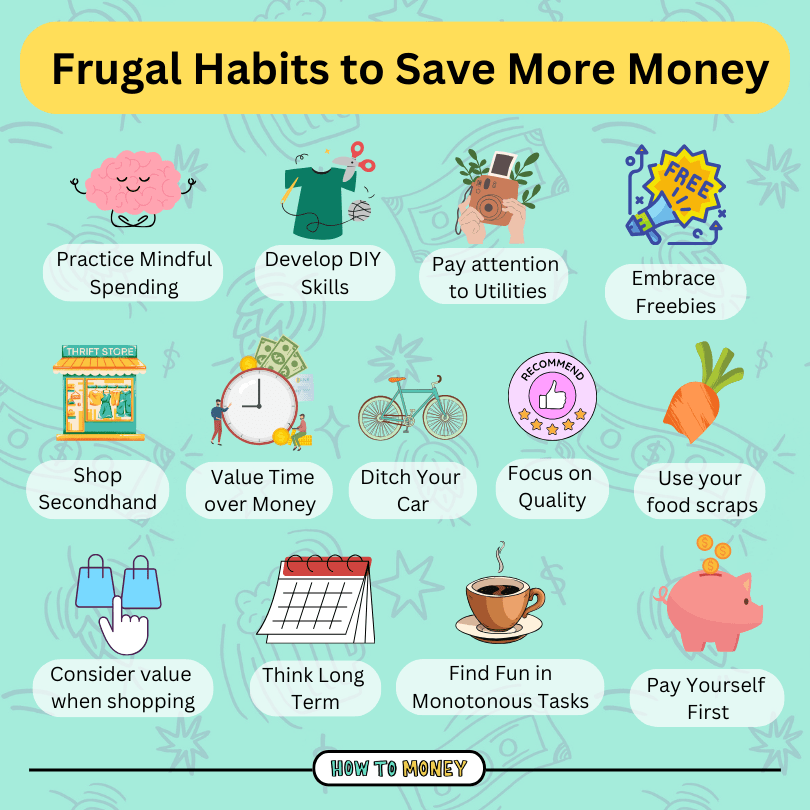
28 Frugal Money Saving Habits That Actually Work
If your budget feels tight no matter how carefully you track it, the problem is often not one big expense. It is the small repeat costs that keep slipping through. frugal money saving habits work because they attack those leaks before they drain your checking account. And right now, that matters more than usual. Prices are still high, subscription stacks keep growing, and impulse spending is easier than ever.
Look, you do not need to live like a monk. You need a system that makes wasting money feel inconvenient. The best frugal habits are boring in the best way. They are the financial version of fixing a dripping faucet before the floor warps. Why wait for a crisis when you can stop the leak now?
Money saving habits that make the biggest difference
- Buy fewer groceries without planning. Make a short meal list before you shop so you stop paying for random extras.
- Use what you already have first. Check your pantry, freezer, and toiletries before buying more.
- Cancel subscriptions you barely notice. A few small monthly charges can quietly cost you hundreds a year.
- Set a weekly no-spend day. One day without purchases can break the habit of casual spending.
- Delay non-essential buys by 24 hours. That pause cuts a lot of impulse purchases fast.
Which frugal money saving habits save the most?
The habits that save the most are usually the ones tied to your biggest spending categories. For many households, that means food, transportation, housing, and recurring services. If you cut one $8 coffee, you feel virtuous. If you renegotiate insurance, trim grocery waste, and pause unused subscriptions, the effect is seismic.
Think about this like coaching a team. You do not win by celebrating one good play. You win by reducing mistakes all game long. The same logic applies to your budget.
Small habits matter most when they repeat. One skipped purchase is nice. A habit that stops ten skipped purchases a month is where the real money shows up.
Frugal money saving habits you can start this week
1. Shop with a fixed list
Write down exactly what you need before you leave home. Keep the list short. If it is not on the list, it waits.
2. Give every dollar a job
Budgeting works better when your money has a purpose before it hits your account. Even a simple split between bills, spending, savings, and goals can keep you from drifting.
3. Build a cheap default meal rotation
Pick three to five low-cost meals you actually like. That makes grocery shopping simpler and cuts the temptation to order takeout when you are tired.
4. Use cash or a debit card for variable spending
Credit cards can blur your limits. A separate spending account makes the tradeoff obvious (and that discomfort can be useful).
5. Do one monthly bill review
Scan your bank and card statements for charges you forgot. Gym memberships, app renewals, and delivery fees often hide in plain sight.
How to make frugal habits stick
The trick is to make the better choice the easier choice. Put savings on autopilot. Keep a meal list on the fridge. Move shopping apps off your home screen. Set reminders for renewal dates so you are not surprised later.
And do not aim for perfection. That is a trap. Miss a day, spend too much on a weekend, then reset. The goal is progress that repeats, not a perfect month that burns out by Tuesday.
- Pick one habit that fixes your biggest leak.
- Make it simple enough to repeat on your worst day.
- Track the savings for one month.
- Keep the habit only if it saves time or money.
What is the point of a budget if it does not change your behavior?
Where people waste money without noticing
Some of the easiest leaks are the least dramatic. Delivery fees. Convenience snacks. Extra grocery items that spoil. Auto-renewed subscriptions. Bank fees. Late fees. Brand-name swaps that do not improve quality.
Frugal people tend to ask one blunt question before spending: Will this make my life better enough to justify the cost? That question cuts through a lot of noise. It also keeps you from buying things that only feel urgent in the moment.
A practical next move
Pick three habits from this list and run them for 30 days. Not all 28. Three. If they save money and feel manageable, keep going. If one habit feels like a constant fight, replace it with something simpler. The best money saving habits are the ones you can live with long term, so start there and see what your budget looks like a month from now.