
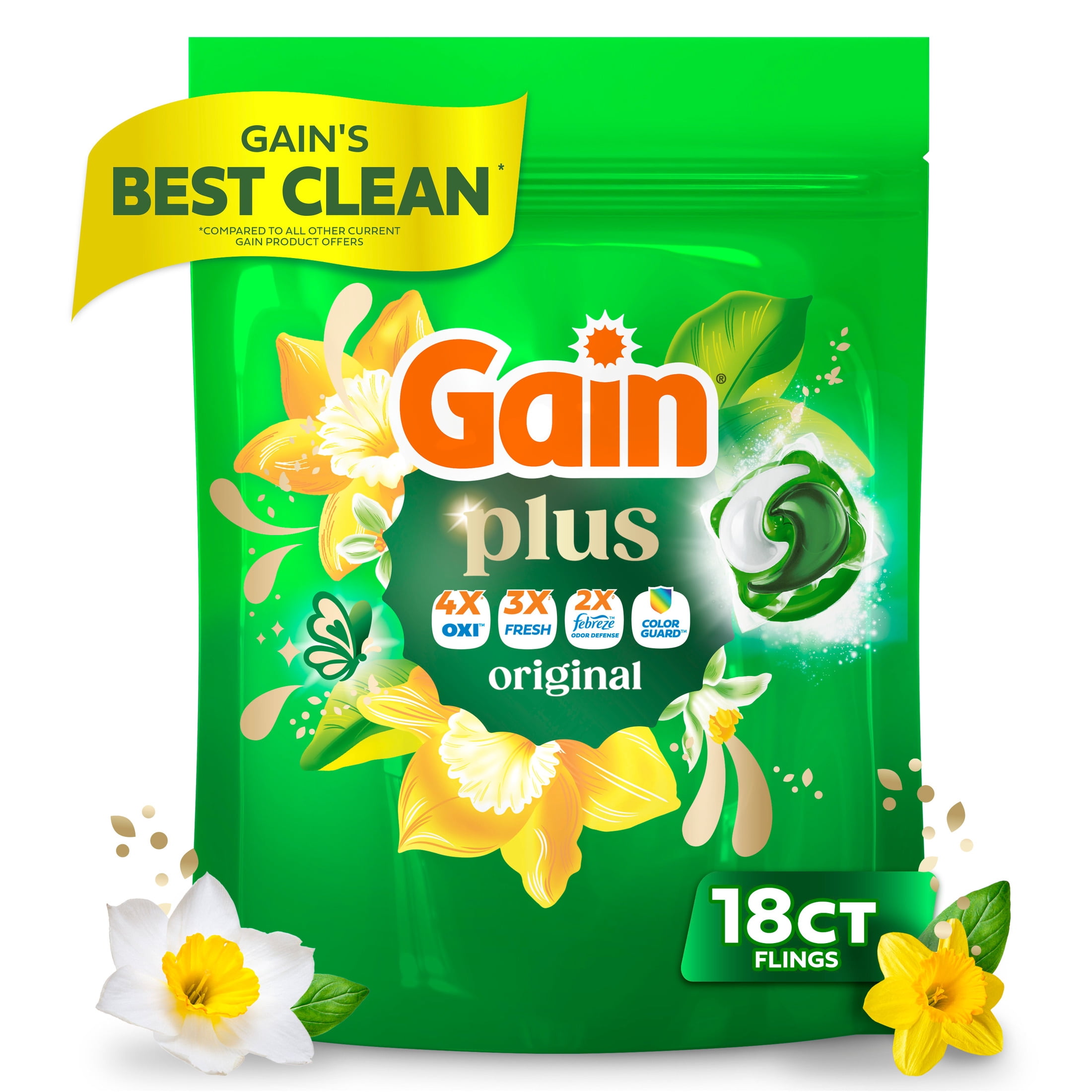
Gain Flings Deal: How to Buy Laundry Detergent for Less
If you are trying to trim grocery spending, laundry detergent is one of those annoying repeat buys that can quietly drain your budget. The Gain Flings deal looks small on the surface, but this is exactly where good saving habits matter. A few dollars off a product you buy every month adds up fast, especially if you shop for a family or run loads often. And with detergent prices swinging by store, size, and coupon offer, it pays to slow down and check the math before you toss a tub in the cart.
Here’s the real question: are you getting a deal, or just a better-looking shelf tag?
What to watch in the Gain Flings deal
- Check the unit price. Bigger packages are not always cheaper per load.
- Look for coupon stacking. Store offers, digital coupons, and rebate apps can change the final price.
- Compare scent and count. Gain Flings varieties often differ in load count, so label size matters.
- Buy only what you will use. Detergent deals are useful, but stockpiling too much ties up cash.
Why the Gain Flings deal matters to your budget
Laundry detergent is a recurring expense, which makes it a good place to build a saving habit. One solid deal may not change your month on its own, but a steady pattern of buying household staples on sale can free up cash for food, gas, or debt payments.
Think of it like filling a pantry before a long road trip. You do not need a fancy system. You need the right item at the right price, before you need it.
Good couponing is not about buying more. It is about paying less for the things you already use.
How to judge the Gain Flings deal before you buy
Start with the per-load cost. Divide the shelf price by the number of loads listed on the package. That simple step beats guessing, and it keeps you from overpaying for a larger container that only looks like a bargain.
Next, compare the deal against your usual brand. If you normally buy Tide, Persil, or Arm & Hammer, the Gain price may still be worth it if the savings are large enough and the scent works for your household. But if you are sensitive to fragrance, a coupon is not a deal if you will not use the product.
Questions worth asking
- How much is each load costing me?
- Can I stack a coupon or store discount?
- Will I use this size before it sits around for months?
- Does this fit my usual laundry routine?
How to make the Gain Flings deal stretch further
Set a price target before you shop. If you know your preferred cost per load, you can move fast when a good offer shows up. That matters because laundry deals often come and go quickly.
Also, match the purchase to your storage space. A closet full of detergent is not savings if it forces you to skip other essentials later. That is why smart shoppers treat bargains like ingredients in a recipe. Measure first. Then buy.
Use this rule of thumb: if the deal is decent and you already had detergent on your list, buy one or two. If the deal is only okay, pass and wait. Patience usually beats panic buying.
Gain Flings deal and other ways to save on household staples
Detergent is just one piece of the household budget. Paper towels, dish soap, trash bags, and toothpaste often follow the same pattern. Prices spike, then settle, then spike again. That means your savings come from timing, not luck.
Look for store apps, rebate offers, and loyalty pricing at major chains like Walmart, Target, Kroger, CVS, Walgreens, and grocery stores in your area. But do not chase every offer. That turns saving into a chore. Pick the items you buy most, track their normal price, and jump when the discount is real.
One solid habit beats ten random coupons.
What smart shoppers do next
Before you buy the Gain Flings deal, compare the cost per load, check for stacking options, and decide whether you actually need detergent now. That is the difference between saving money and just spending it more slowly.
Want a simple next step? Build a short list of your household staples and set target prices for each one. Then wait for the sale that meets your number. Why pay full price if you do not have to?