
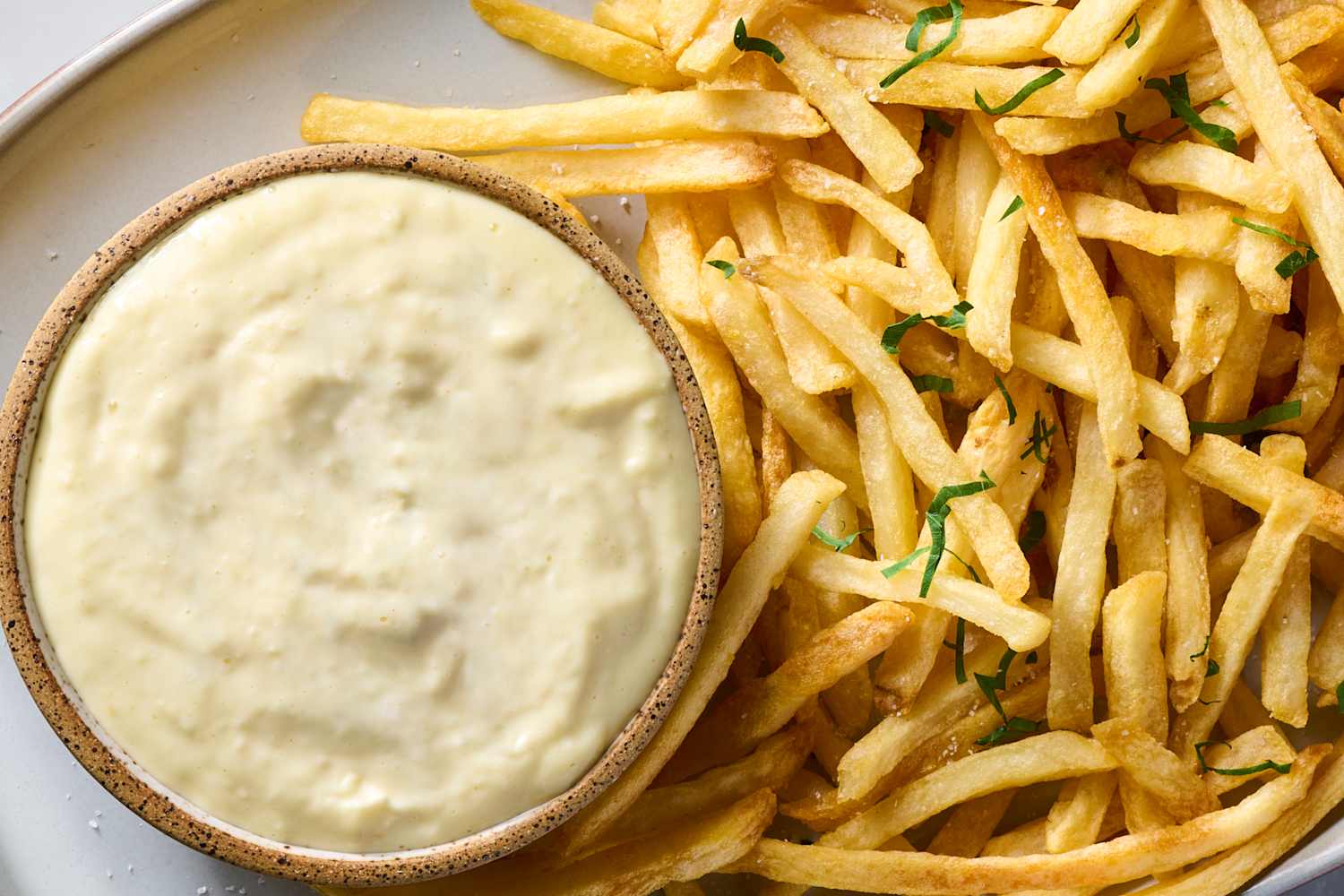
Garlic Aioli Recipe: Easy Homemade Garlic Sauce
If your garlic aioli keeps turning thin, split, or bland, you are probably missing one small step. That matters now because a good sauce can rescue plain food fast, and store-bought versions often taste flat or overly oily. This garlic aioli recipe gives you a clean, creamy result with basic ingredients you already have. You do not need fancy equipment or chef tricks. You need the right ratio, steady mixing, and a little patience. Why buy a jar full of preservatives when you can make a fresher version in minutes?
What you should know first
- Garlic aioli is a simple emulsion, so the mixing method matters as much as the ingredients.
- You can make it with mayonnaise for speed, or build it from scratch for a stronger garlic bite.
- Fresh garlic gives the sharpest flavor, but roasted garlic makes a softer sauce.
- A small splash of lemon juice helps brighten the taste and keep the texture balanced.
- This works as a dip, spread, or drizzle for a long list of meals.
Why garlic aioli works so well
Aioli started as a garlic and oil sauce in Mediterranean cooking. Modern versions often borrow from mayonnaise, since both rely on fat, acid, and mixing to hold together. That is why the texture feels rich but still light enough to coat fries or a sandwich without drowning it.
Think of it like building a brick wall. If one part is off, the whole thing slumps. Too much liquid makes it loose. Too much garlic can overpower everything. The sweet spot is simple and very repeatable.
Good aioli should taste like garlic first, then creaminess, then a clean hit of acid. If the order feels reversed, the sauce needs adjustment.
Garlic aioli recipe method
There are two practical ways to make this sauce. If you want speed, start with mayonnaise. If you want a more traditional texture, whisk your own emulsion. Both versions work.
Fast version with mayonnaise
- Mix mayonnaise, finely grated garlic, lemon juice, and a pinch of salt in a small bowl.
- Stir until the garlic is fully distributed.
- Taste and adjust. Add more lemon for brightness or more salt for depth.
- Let it rest for 10 minutes if you can. The garlic flavor settles and spreads through the sauce.
From-scratch version
Whisk egg yolk, lemon juice, and garlic in a bowl. Add oil in a slow, thin stream while whisking constantly until the sauce thickens. This is the classic emulsion method, and it takes a steady hand. But the payoff is a fresher, more assertive result.
Use a neutral oil if you want the garlic to lead. Olive oil can work, but a strong one can turn the sauce bitter. That is where many home cooks stumble.
How to fix common garlic aioli problems
Broken sauce, harsh flavor, watery texture. These are the usual complaints, and each one has a simple fix.
- Too thick: Add a few drops of water or lemon juice and stir.
- Too thin: Add more mayonnaise, or whisk in a little more oil if making it from scratch.
- Too sharp: Let it rest longer, or use roasted garlic next time.
- Too bland: Add salt first, then more lemon. Garlic alone will not carry the whole sauce.
- Separated: Start a fresh bowl with a spoonful of mayo or egg yolk, then whisk the broken mixture into it slowly.
Fresh garlic intensity can vary a lot from clove to clove. One clove may be mild. Another can hit like a freight train. Taste as you go.
Best ways to use garlic aioli
You can treat garlic aioli like a dip, a spread, or a finishing sauce. It works especially well on roasted potatoes, burgers, grilled chicken, sandwiches, fish, and vegetables. It also gives plain leftovers a useful reset (which is handy on busy weeknights).
Try it with:
- French fries or sweet potato fries
- Turkey or chicken sandwiches
- Roasted cauliflower, broccoli, or carrots
- Crab cakes or salmon patties
- Grilled corn or baked potatoes
Garlic aioli storage and make-ahead tips
Store garlic aioli in a sealed container in the refrigerator. A mayo-based version usually keeps for about 3 to 4 days, while a fresh egg-based version should be treated with more care and used sooner. Always use clean utensils so the sauce stays safe and fresh.
If you want the flavor to mellow, make it a few hours ahead. The garlic softens and the lemon rounds out the edges. That extra time makes a real difference.
What to change for a different flavor
You can steer this sauce in a few directions without changing the structure.
- Roasted garlic: Sweeter, softer, and less sharp.
- Smoked paprika: Adds color and a warm finish.
- Chopped herbs: Parsley, dill, or chives bring freshness.
- Extra lemon: Good for richer foods like fried fish or potatoes.
- Less garlic: Better if you want the sauce to stay in the background.
A solid garlic aioli you can repeat
The best homemade sauces are the ones you can make without thinking too hard. This garlic aioli recipe does exactly that. It gives you a creamy base, a clear garlic flavor, and enough flexibility to fit the food on your table.
Start with the simple version, then adjust it to your taste. Once you know your preferred garlic level, will you ever go back to the bottled stuff?