
How to Pin Down Your Grocery Budget per Month
Grocery prices feel like quicksand. You step in, and the bill keeps rising. You need a clear grocery budget per month that fits your household, respects the latest USDA estimates, and avoids food waste. Right now matters because inflation squeezes every cart, and a sloppy list can blow cash faster than a streaming subscription. You want a plan that is light on theory and heavy on steps. Why keep paying for waste when a simple plan could fix it?
Fast Moves to Keep Spending in Check
- Set a weekly ceiling that rolls up to your monthly target.
- Shop with a list and pay with a single card to track totals.
- Batch cook two anchor meals to cut midweek impulse buys.
- Compare unit prices, not shelf prices, for every staple.
Set a Realistic Grocery Budget per Month
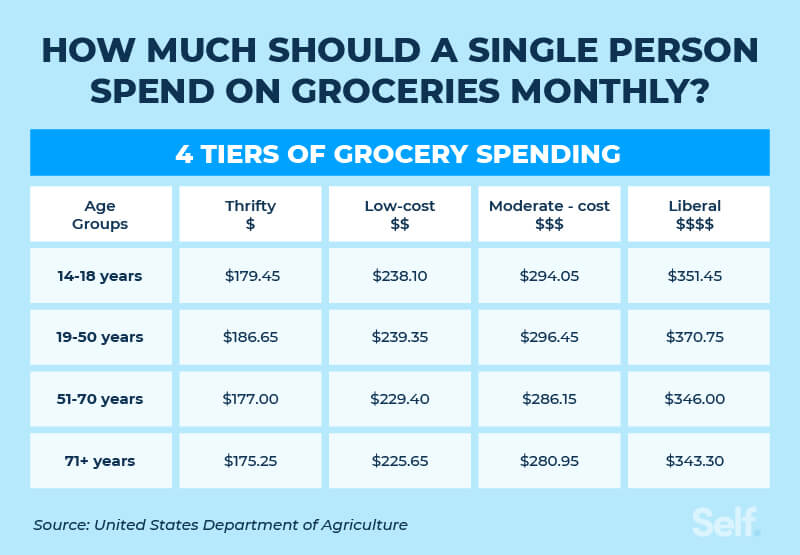
The USDA’s Thrifty plan offers a baseline. Use it as a ceiling, not a mandate. For a family of four, the current range sits near $900, but your pantry habits and regional costs matter more. Align the number with your net income so it lands near 10% to 14% of take-home pay. If that ratio feels high, tighten the menu before cutting other essentials.
Price discipline starts before you touch a cart. Treat meal planning like drafting a weekly playbook in football.
Track Grocery Budget per Month With Simple Math
Split the monthly figure into weekly envelopes, digital or paper. One envelope per week keeps overruns from spilling into next week. Use your bank app to tag every grocery swipe and export a CSV once a month. That makes it obvious which staples drifted up in cost, so you can swap brands or sizes.
Plan before you step into the store.
Stretch Every Dollar With Smart Habits
Shop your pantry first. If you already have rice, plan a stir-fry and avoid buying pasta just because it is on sale. Buy produce in season; strawberries in January burn cash. Rotate proteins: chicken, beans, eggs. That mix keeps nutrition steady and prices stable.
Clip digital coupons, but only for items already on your list. Otherwise, the “deal” drains your budget. Cook once, eat twice. Roast vegetables on Sunday and repurpose them into tacos on Tuesday. Think of your kitchen as a small newsroom deadline: reuse assets, cut fluff.
Handle Special Diets Without Blowing the Budget
Gluten-free or dairy-free items cost more. To keep control, anchor meals around naturally compliant foods such as potatoes, rice, and legumes. Specialty snacks add up fast, so cap them at one per week. If you host often, ask guests to bring a side; the social script is changing, and most people are fine pitching in.
What to Do When Prices Spike
Prices will swing. When they jump, pause the pricier recipes for two weeks and lean on pantry meals. Shift one dinner to breakfast-for-dinner, which is cheap and quick. If you see a good sale on freezer-friendly staples, buy two, not ten. Stockpiling too far ahead can lead to waste.
Where to Trim Next
You now have a number, a tracking habit, and a menu rhythm. Keep testing small changes each week. Which store gives you the best unit prices on staples? That answer shifts. Stay nimble, and your grocery bill will follow.


