
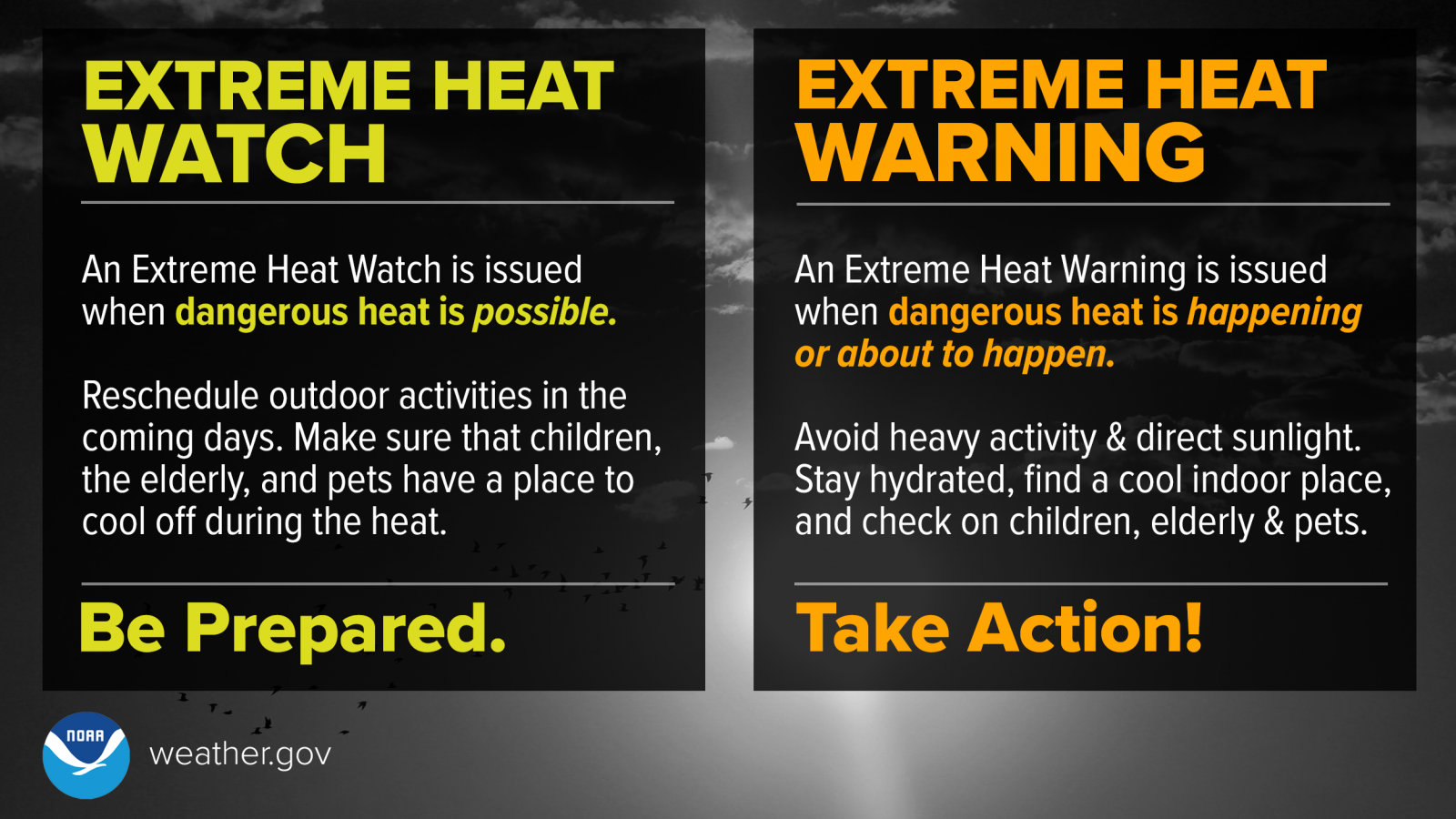
High Heat Alert: What It Means for You
A high heat alert is not weather wallpaper. It changes how you plan your day, how long you stay outside, and how you think about risk. If you live in a place like Indianapolis, a stretch of dangerous heat can hit fast and hard, especially when humidity traps warmth close to the ground. That is why this matters now. Heat illness can sneak up on you before you feel truly in trouble, and by then, the fix is harder.
The National Weather Service and local forecasters use heat alerts to signal conditions that can push your body beyond what it can handle safely. If you ignore them, you are gambling with dehydration, heat exhaustion, and in serious cases heat stroke. Who wants that kind of mess on a normal weekday?
- Drink water before you feel thirsty.
- Limit outdoor work during peak afternoon heat.
- Check on older adults, kids, and pets.
- Use air conditioning or cooling centers if you can.
- Watch for dizziness, confusion, and nausea.
What a high heat alert means
A high heat alert means conditions are dangerous enough that heat-related illness becomes more likely, especially for people working outside or spending long periods without cooling. Local stations such as WTHR often use the alert to tell you that the risk is not theoretical. It is immediate.
Heat index matters here more than the thermometer alone. The heat index combines temperature and humidity, which is why 92 degrees can feel far worse than it sounds. Think of it like a kitchen oven with the door cracked open, but the steam keeps building anyway. That is what humid heat does to your body.
High heat alerts are about exposure, not comfort. If you stay outside long enough, the danger climbs even if you feel fine at first.
How to use the high heat alert to plan your day
Start with the parts of your day that you can move. Yard work, exercise, errands, and long walks all get safer when you shift them earlier or later. If you have to be outside, break the time into short blocks and build in shade and water.
- Check the forecast before you leave the house.
- Pick the coolest hour for outdoor chores.
- Wear light, loose clothing and a hat.
- Drink water on a schedule, not only when you feel dry.
- Leave pets at home and never in a parked car.
And if your job keeps you outside, talk to your supervisor about rest breaks and water access. A heat alert is not the day to “push through” and hope for the best.
High heat alert signs you should not ignore
Heat exhaustion often starts with heavy sweating, weakness, headache, dizziness, and nausea. Skin may feel cool or clammy. If you see those signs, get the person into shade or air conditioning, give water if they are awake, and cool them down fast with wet cloths or a cold shower.
Heat stroke is an emergency. Confusion, fainting, slurred speech, hot dry skin, or a seizure means you need to call 911 right away. Do not wait to see if things improve. They may not.
Children, older adults, people with chronic illness, and workers in heavy gear face a higher risk. So do anyone without reliable air conditioning. That is the brutal math of summer heat.
What to do at home during a high heat alert
Your home can either help or fight you. Close blinds during the day, run fans with windows only when outside air is cooler, and avoid running ovens, dryers, and other heat-producing appliances during the hottest hours. Small moves add up.
Call family, neighbors, or friends who may not have strong cooling. A quick check-in matters. The CDC says older adults are especially vulnerable during extreme heat, and many heat deaths happen indoors, not on a trail or job site. That part surprises people.
Keep an emergency kit ready with water, a flashlight, phone charger, and any medication you need. If power fails, you do not want to scramble.
Why the wording matters in a high heat alert
Forecasters choose alert language carefully because people react differently to “hot” versus “dangerous.” A high heat alert is meant to change behavior. If it does not, the message failed.
Look, weather alerts are a bit like a warning light on a car dashboard. You can keep driving for a while, but the problem does not disappear because you ignored it. Treat the alert as a prompt to act, not background noise.
Stay ahead of the next heat wave
Use the alert as your trigger to build a repeatable summer routine. Check local forecasts from the National Weather Service, tune in to trusted local reporting, and keep a simple heat plan for your household. That plan should answer one question: what will you do the moment the temperature and humidity jump?
Heat waves are not rare noise anymore. They are a planning problem. And the people who handle them best are usually the ones who prepare before the first sweaty hour arrives.