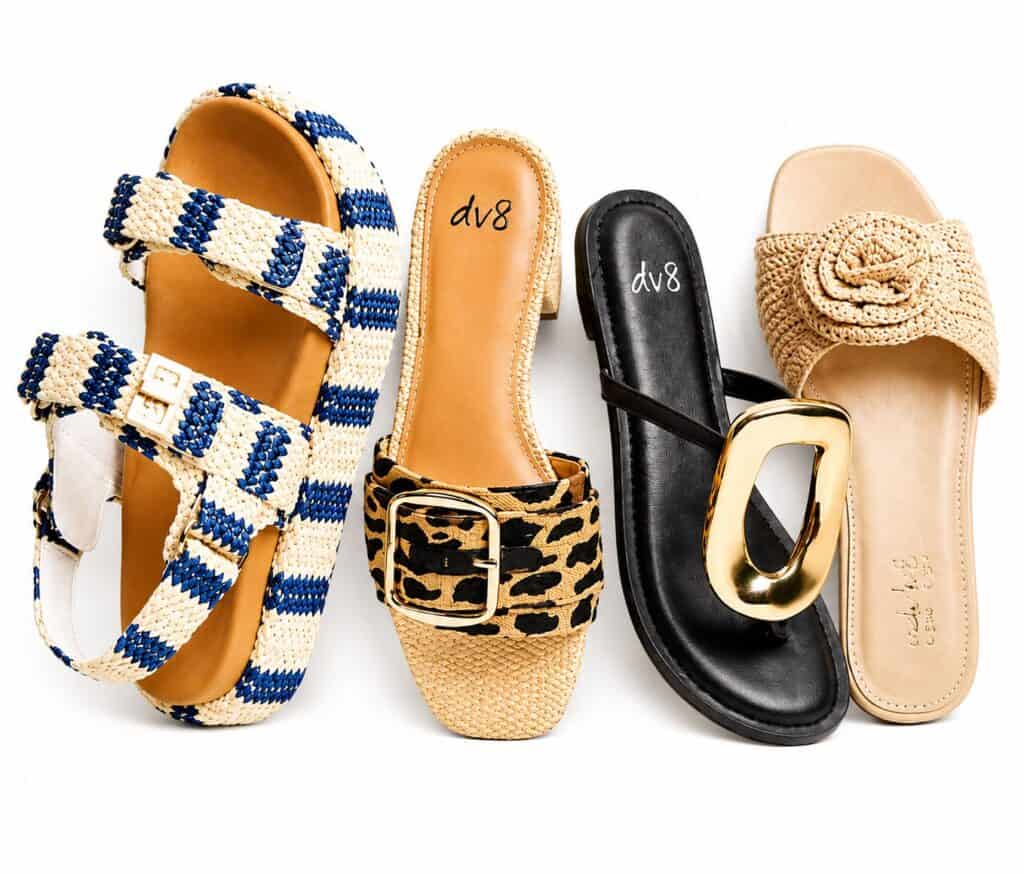
JCPenney Buy One Get Two Free Women’s Sandals Deal
If you are trying to stretch a summer clothing budget, the JCPenney buy one get two free women’s sandals deal can look like an easy win. It can be. But store promos like this can also hide weak sizes, odd price rules, and returns that erase the savings fast. You want the pair you actually wear, not three pairs that sit in a closet because the math looked good at checkout.
That matters now because seasonal shoe deals move fast, and the best styles disappear first. A bargain is only a bargain if you were going to buy the item anyway. Otherwise, you are just trading cash for clutter. Look closely at the fine print, compare the regular price, and make sure the total still beats what you would pay elsewhere. Why pay full price for the wrong pair when a little patience can do better?
What stands out in the JCPenney buy one get two free women’s sandals deal
- You need to check the qualifying items. Not every sandal in the store may count.
- Fit matters more than the promo. Three cheap pairs that hurt your feet are a loss.
- The discount usually depends on the lowest-priced pairs. That changes the value fast.
- Returns can be tricky. If you send one pair back, the promotion math may be adjusted.
- Online and in-store rules can differ. Always read the current offer before you buy.
How the deal usually works
Most buy-one-get-two-free offers follow a simple pattern. You add three qualifying pairs to your cart or bring them to the register. You pay for one, and the other two drop to zero or near zero based on the promotion terms.
That sounds simple, but retail pricing is never that clean. If one pair is much more expensive than the others, the store may discount the cheaper pairs first. So the exact mix of styles matters. Think of it like building a grocery basket. Three items are not equal if one is premium and the other two are basic store brands.
The smartest move is to treat the promo like a math problem, not a shopping dare. If the paid pair is overpriced, the free pairs do not save you as much as you think.
How to check whether the savings are real
Start with the regular price. Then compare that total to what you would pay at another retailer or during a normal sale. If the sandals are already 40 percent off, the extra promo may be solid. If the original price is inflated, the deal gets weaker.
- Pick the styles you would actually wear.
- Check whether all three pairs qualify for the offer.
- Compare the final total with tax and shipping included.
- Review the return policy before you place the order.
- Look for coupons or rewards that stack, if allowed.
And do not ignore fit. Sandals are like chairs. If they do not support you, the price is irrelevant.
JCPenney buy one get two free women’s sandals: who should buy
This deal makes the most sense if you need multiple pairs for different uses. Maybe one pair is for errands, one for work, and one for travel. If you already planned to replace worn summer shoes, this can trim your cost per pair.
It also works better if you wear common sizes. Popular sizes sell out first, and that can leave you with leftovers nobody wants. If your size is hard to find, the promo can tempt you into settling. That is how money leaks out of a budget.
Best fit for the deal: shoppers who need more than one pair, know their size, and can wait for a good color or style.
What to watch before you click buy
Check whether the promo applies to clearance items, since some stores exclude them. Review shipping costs too. A free pair loses shine if delivery pushes the total above what you wanted to spend.
Also look at materials. Cheap foam slides and poorly stitched straps often fail early. A lower sticker price does not help if you replace the pair in six weeks. That is not savings. That is churn.
A quick reality check
Would you still buy these sandals if the promo disappeared? If the answer is no, pause. The best budget move is often the one you skip.
How to squeeze more value from the purchase
If the offer is active, use it with discipline. Choose one pair you need now and two pairs that fill clear gaps. Avoid impulse colors unless they work with several outfits. Neutral tones usually give you more wear, which is the real return.
Track what you paid per pair after the promotion. That number tells you whether you beat other retailers. It is a small habit, but it keeps you honest the next time a flashy sale shows up in your feed.
Shop the deal with a budget lens
Sales like this can help, but only if they match your actual needs. The JCPenney buy one get two free women’s sandals deal is worth a look, yet it is not a blank check. Filter the style, the price, and the return terms first. Then decide.
That is the move that separates a smart purchase from a noisy one. Next time you see a similar promo, will you chase the free pairs, or will you check the total first?