
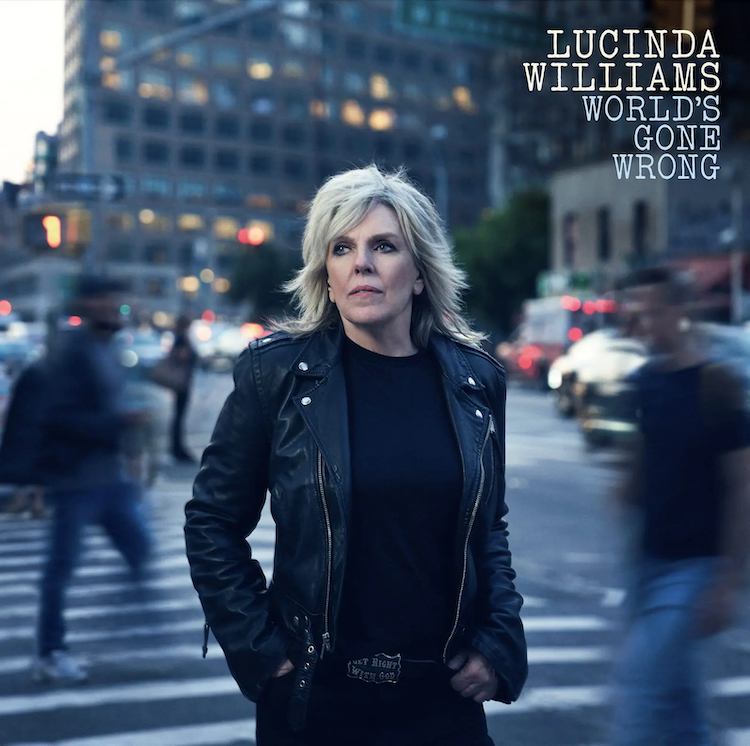
Lucinda Williams Worlds Gone Wrong Review
You want to know if Lucinda Williams Worlds Gone Wrong review coverage is worth your time, or if this is another heritage release getting polite praise because of the name on the cover. Fair question. Catalog projects and politically charged albums often get buried under reverence, and that can hide the one thing that matters, whether the songs still land. This record matters now because it leans into unrest, doubt, and plainspoken resistance without sounding staged. Williams has spent years turning damage, grit, and nerve into songs that feel lived in. Here, that instinct meets a world that often seems determined to break itself. The result is not tidy. It is pointed, worn, and human. And honestly, that is why it works.
What stands out right away
- The tone is blunt, with no fake uplift pasted on top.
- Williams sounds committed, not ceremonial, and that changes the whole record.
- The protest themes feel grounded in character and detail, not slogan writing.
- The album earns its weight through mood, phrasing, and restraint.
Why this Lucinda Williams Worlds Gone Wrong review matters
Look, protest records are hard to pull off. Too much polish and they feel bloodless. Too much preaching and the songs turn into lectures. Williams avoids both traps by staying close to the emotional cost of a broken civic culture.
That is the record’s smartest move.
Rather than posing as a savior, she sounds like a witness. There is fatigue in the delivery, but there is steel too. Think of it like an old field microphone picking up storm noise and heartbeats at the same time. Messy, but exact.
Lucinda Williams does not sell resistance as a brand here. She treats it as daily wear and tear.
That distinction matters because listeners can tell when outrage is rented. This album does not feel rented.
How the album sounds on a track-by-track level
Voice first, production second
Williams has never needed vocal perfection to make a line hit. She needs texture, timing, and conviction. Those are all over this record. The voice carries age and friction, which gives the material more force than a cleaner performance would.
The production supports that choice. It does not crowd the songs with oversized gestures. Instead, it leaves room for tension to breathe, and that space lets the words do real work.
What the best songs actually do
The strongest cuts do not simply announce that the world is off balance. They show how that imbalance seeps into ordinary life. That is where Williams has always been sharpest, in the small details that expose a much bigger failure.
And that is also why the album sticks. A lesser writer would go broad and generic. Williams keeps pulling the camera closer.
- She uses concrete images instead of empty outrage.
- She trusts phrasing more than volume.
- She lets unease sit rather than rushing to resolve it.
If you have covered music for long enough, you learn to distrust records that tell you how historic they are. This one does not need to. It sounds like someone taking inventory after the walls started cracking.
Is Worlds Gone Wrong a protest album or something more personal?
It is both, and that is the whole point. The public and private sides of damage are tangled together. Williams understands that politics is not an abstract debate for most people. It shows up in stress, in fractured trust, in the sense that basic decency is under siege.
What else would a believable protest record sound like?
This is where the album separates itself from louder, thinner statements. It never forgets that social collapse is felt in kitchens, cars, and half-empty rooms, not only on stages and screens. That lived scale gives the songs their pulse.
What works, and what does not
Where the record hits hard
- Emotional credibility. Williams sounds fully inside the material.
- Consistent atmosphere. The album keeps a firm grip on its mood.
- Sharp restraint. It resists the urge to oversell every message.
Where some listeners may hesitate
The same steadiness that gives the record backbone may feel heavy to listeners who want more dynamic swings. This is not an album chasing radio hooks or easy release. It asks you to sit with pressure.
But that choice feels earned, not lazy. In cooking terms, this is a long simmer, not a blast of heat. If you rush it, you miss the depth.
Who should hear it
This album will land hardest for listeners who want songwriting with moral weight and no glossy packaging. If you care about Americana, roots rock, singer-songwriter records, or the long arc of Lucinda Williams’ catalog, there is plenty here to hold onto.
It is also a strong entry point for anyone curious about how veteran artists can respond to political fracture without turning their records into op-eds. That is a narrow road. Williams stays on it.
Final read on Lucinda Williams Worlds Gone Wrong review coverage
Here is my take. Worlds Gone Wrong works because it does not confuse seriousness with stiffness, and it does not confuse anger with insight. Lucinda Williams still knows how to make weariness sound active. That is rarer than critics admit.
If you want escapism, look elsewhere. If you want songs that stare at the mess and keep their nerve, this record deserves your attention. The real test for albums like this is simple, will they still feel necessary after the headlines move on? My bet is yes.