
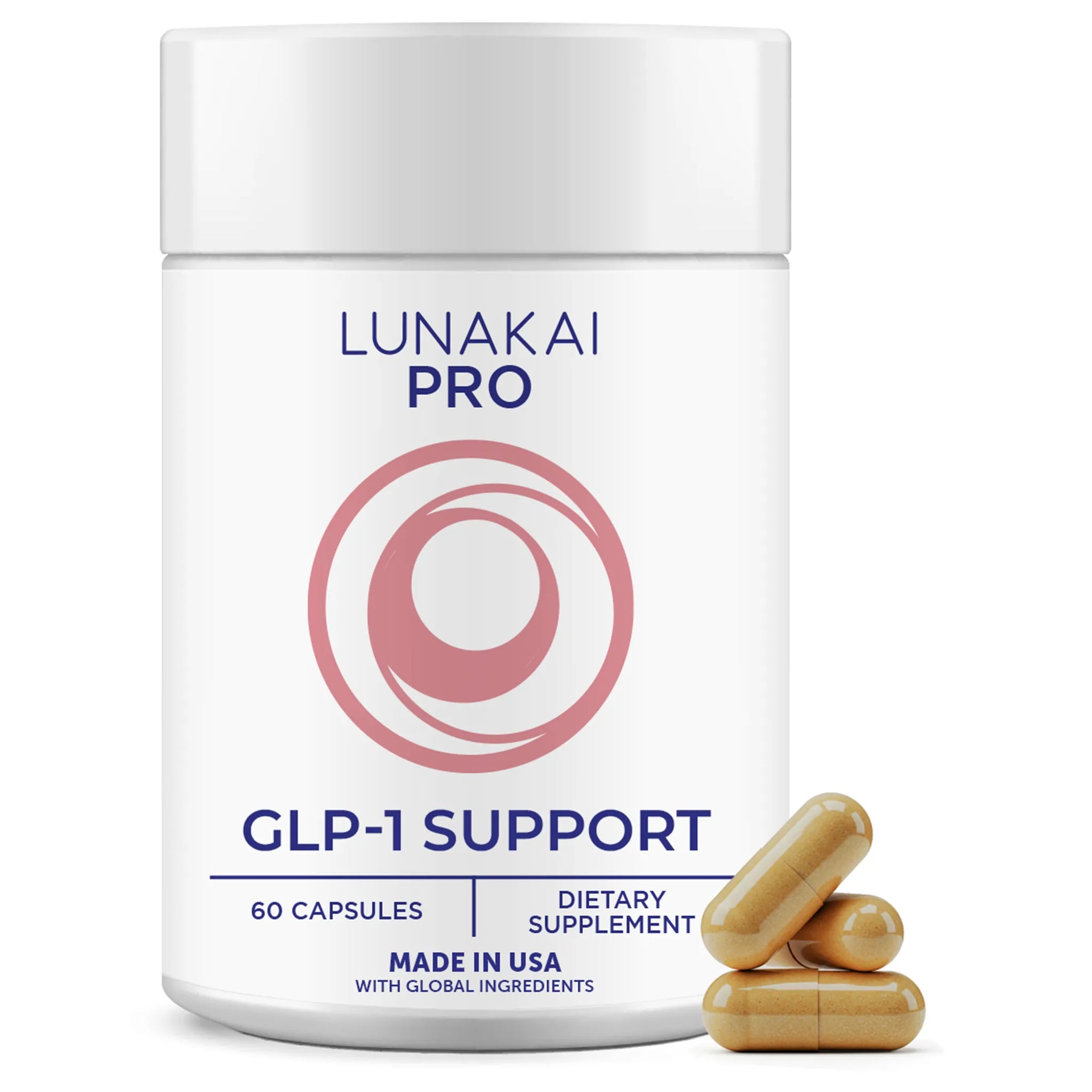
Lunakai USA-Made GLP-1 Supplement Deal Explained
If you have been seeing the Lunakai USA-made GLP-1 supplement deal pop up and wondering whether it is worth your money, you are not alone. These products sit in a messy spot between wellness marketing and real-world budgeting, and that makes the buying decision harder than it should be. The mainKeyword here is Lunakai USA-made GLP-1 supplement deal, and the question is simple: are you getting a useful product, or just paying for a slick label and a temporary discount?
That matters now because supplements tied to weight-loss buzz tend to move fast, and so do prices. One day the offer looks good. The next day it is gone. Before you click buy, you need to know what the deal includes, what claims deserve skepticism, and how to compare it with other options without getting pulled in by hype.
What stands out in the Lunakai USA-made GLP-1 supplement deal
- It is a supplement, not a prescription drug. That distinction matters more than the marketing.
- The price only makes sense if you compare it to similar products. A discount is not a deal if the base price is inflated.
- USA-made can mean different things. It may refer to manufacturing, sourcing, or both.
- You should check ingredient details first. Labels tell you more than claims.
- Any weight-related promise deserves a hard look. If the copy sounds too neat, it probably is.
What is the Lunakai USA-made GLP-1 supplement deal really offering?
GLP-1 is a hormone linked to appetite and blood sugar regulation. Prescription GLP-1 medications such as semaglutide and tirzepatide are backed by clinical trials and FDA oversight. A supplement using GLP-1 language is something else entirely. It may be positioned as a support product, but it is not the same as a medication approved for diabetes or obesity treatment.
That gap is where shoppers get tripped up. The label may suggest similar benefits, but supplements are not held to the same standard as prescription drugs. So the right question is not whether the branding sounds scientific. The right question is whether the ingredient list and evidence actually justify the purchase.
Do not buy a supplement because it borrows the language of a prescription treatment. Read the label like your money depends on it, because it does.
How to judge the deal before you spend
Start with the basics. Look at the serving size, ingredient amounts, and total cost per bottle. Then compare that cost to the number of servings. A low headline price can hide a weak value if the bottle runs out quickly.
Also check whether the brand gives you specific dosing information or only broad wellness language. Vague phrasing is a red flag. Clear labels are better (and easier to compare).
- Check the ingredient panel. Look for exact amounts, not just a proprietary blend.
- Calculate cost per serving. Divide the price by the number of doses.
- Read the claims carefully. Avoid products that imply drug-like results without drug-like evidence.
- Look for third-party testing. NSF, USP, or similar testing adds more trust than marketing copy.
- Review the return policy. A fair guarantee can reduce risk if the product disappoints.
What USA-made should mean to you
“USA-made” sounds reassuring, but the phrase can be slippery. It may mean the final product was assembled in the United States, while raw ingredients came from elsewhere. That is not automatically bad. It just means you should not treat the label as proof of quality by itself.
Think of it like ordering a sandwich. A local bakery label does not tell you whether the ingredients were fresh, stale, or carefully handled. The same logic applies here.
Lunakai USA-made GLP-1 supplement deal and your budget
If you are trying to save money, the real test is whether the product fits into your routine without becoming another forgotten subscription. Supplements are especially slippery because the recurring charge is easy to ignore after the first purchase.
Ask yourself one blunt question: will you still feel good about this purchase after the novelty wears off? If the answer is no, the deal is probably not as attractive as it looks.
Here is a simple budget filter:
- Buy only if you can explain the value in one sentence.
- Skip any offer that pushes auto-ship before you have tested the product.
- Set a hard monthly cap for wellness spending.
- Compare it with lower-cost alternatives, including diet changes, fiber supplements, or just waiting for a better price.
What to watch for in the product page
The product page should answer basic questions quickly. If it does not, that is a sign to slow down. You want the company to be specific about ingredients, origin, directions, and safety information.
Look for these signals:
- Specific ingredients instead of fuzzy promises.
- Visible contact details for the brand.
- Clear refund terms that are easy to find.
- Claims that stay in bounds and do not sound like medical treatment.
And if the page leans heavily on urgency, that is worth noticing. Countdown timers and stock warnings are marketing tricks, not evidence.
Is the Lunakai USA-made GLP-1 supplement deal worth it?
It depends on what you want from it. If you are curious about a supplement and the price is modest, the deal may be fine as a low-risk test. If you are hoping for a meaningful weight-loss tool, you should be far more cautious.
Prescription GLP-1 drugs have a real evidence base. Supplements using the same buzzwords usually do not. That is the gap you have to keep in view. Otherwise you may pay for packaging, not performance.
Use the deal only if the facts hold up. If they do not, walk away. The smartest savings move is sometimes the one you do not make.
What I would do next
I would compare the price against the serving count, verify the ingredient list, and ignore every line that sounds like a miracle. Then I would check whether the brand offers third-party testing and a clean refund policy.
That is the whole game. Not glamour. Not buzz. Just a careful read before your card comes out. And honestly, why give a supplement more trust than it has earned?