
Maryland Family Caregiver Budget Cuts: What You Need to Know
If you help care for an older parent, a spouse, or a child with a disability, budget pressure is not abstract. It can change your hours, your pay, your paperwork, and the support you depend on. That is why the current family caregiver budget cuts debate matters now. Deadlines are landing at the same time funding is tightening, and that mix can leave families scrambling to replace care they cannot afford to lose.
Look, this is not a policy story that stays in Annapolis. It hits the kitchen table. Who covers the next appointment? Who sits with Mom when your shift starts? What happens if a program trims hours before you have found another option? Those are the real questions, and they are arriving fast. If you are trying to keep care stable, you need a plain view of the risks, the likely pressure points, and the steps you can take before a cut lands on your calendar.
What the family caregiver budget cuts could change
- Fewer paid hours for family members who rely on state-backed support programs.
- More out-of-pocket costs for transportation, respite, or backup care.
- Tighter eligibility rules if agencies respond to smaller budgets.
- Slower approvals as staff handle more cases with fewer resources.
- More planning pressure on families already stretched thin.
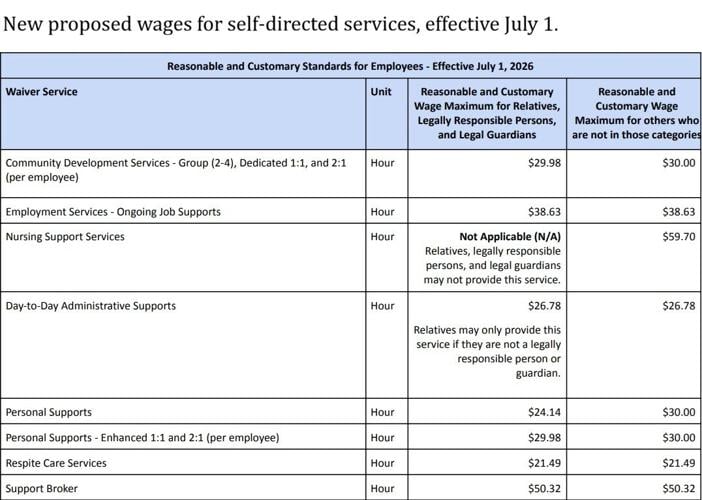
Maryland Matters reports that looming cuts and deadlines are putting family caregivers in a difficult spot. That tracks with what usually happens when state budgets tighten. Agencies slow hiring, program managers delay decisions, and families get less room to react. And when caregiving already runs on thin margins, even a small cut can feel seismic.
Why family caregiver budget cuts hit so hard
Caregiving is built on timing. A missed ride, a cancelled aide shift, or a delay in benefits can ripple through an entire week. Unlike a typical household expense, you cannot easily shop around for another parent, another adult child, or another medical need.
Care systems do not fail all at once. They fray at the edges first. A lost hour here, a delayed payment there, then you are making hard choices with no slack left.
That is why these cuts are more than an accounting story. They can force you to juggle work and care in ways that are hard to sustain. Think of it like building a house with the scaffolding removed before the roof is finished. It might still stand for a while, but the pressure shifts everywhere.
What you should do now if you rely on caregiver support
- Review your current benefits. Check hours, service dates, and eligibility letters. Know exactly what you receive today.
- Call your case manager or program contact. Ask whether deadlines, renewals, or service levels are changing.
- List your backup options. Write down relatives, neighbors, faith groups, and paid services you can call if one support falls through.
- Track all notices. Put due dates in your phone and keep copies of every letter or email.
- Budget for a gap. Even a small reserve can cover transportation or a short stretch of respite care.
Here is the thing. If a program changes, the families who cope best are usually the ones who already know their numbers and their contacts. That is not because they are lucky. It is because they are prepared.
How to protect your caregiving budget
Start with the costs that move fastest. Transportation, medication pickup, adult day care, and substitute help can spike before formal support changes. If you can trim one optional expense now, do it. A small cushion beats a panic later.
Also, ask whether you qualify for anything you are not using. Medicaid waivers, respite programs, tax credits, local nonprofit support, and hospital social work services can help fill gaps. The rules can be messy, so keep a simple folder with names, phone numbers, and application dates.
One practical script for calls
Try this: “I am a family caregiver, and I need to know whether my hours, payment, or eligibility will change before the next deadline. Can you tell me what is pending and when I will get a written update?”
That question is direct. It gets past vague language and forces a clearer answer. If the person cannot answer, ask who can.
What lawmakers and agencies should get right on family caregiver budget cuts
Families cannot absorb endless policy drift. Agencies need clear notices, simple timelines, and real outreach before any change takes effect. If a cut is coming, the state should make the timing and the impact easy to understand. No one should have to decode a budget spreadsheet to find out whether a parent loses help next month.
And lawmakers should remember that unpaid family care already saves states a large sum. AARP has long estimated that family caregivers provide hundreds of billions of dollars in unpaid care nationwide each year. When those supports weaken, the cost does not disappear. It moves to hospitals, paid aides, and overwhelmed relatives.
What to watch next
Watch for three things. First, whether agencies issue written guidance or only verbal updates. Second, whether deadlines are pushed back or left in place. Third, whether local groups step in with respite, rides, or emergency help.
Maryland’s next move will tell you a lot. Will leaders treat caregivers as a line item, or as the system holding everything together? If you depend on that system, do not wait for the final notice. Start checking your coverage now.