
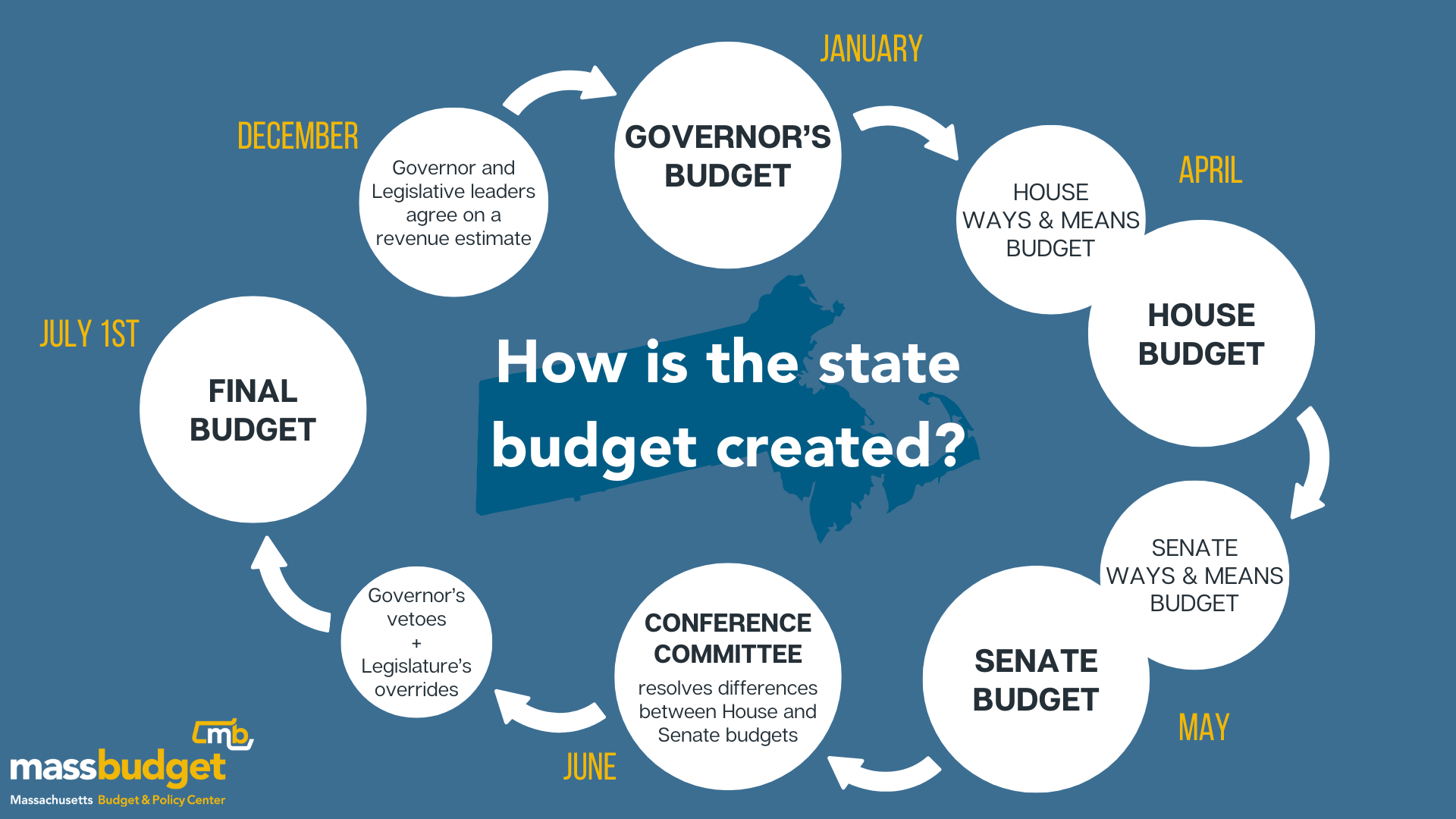
Massachusetts State Budget Passed: What It Means for Your Money
The Massachusetts state budget passed by the legislature matters to you whether you follow Beacon Hill closely or not. It shapes what the state pays for, what cities and towns can expect, and where pressure may land on your household budget later. If you live in Massachusetts, the numbers in this plan can show up in school funding, transit, housing aid, tax policy, and the services you rely on every day.
That is why the Massachusetts state budget passed by lawmakers deserves a plain-English read, not a spin job. The real question is simple. Does this budget ease pressure on families, or does it kick the bill down the road?
What stands out in the Massachusetts state budget passed
- State priorities are clear. The budget signals where leaders want to spend, from education to health care and local aid.
- Household costs still matter. Even when a budget is balanced, it can affect fees, taxes, and service levels later.
- Local budgets feel the ripple. Cities and towns often depend on state aid to avoid cuts or tax hikes.
- Timing matters. A passed budget is only the first step. Implementation decides who actually feels relief.
The Globe report on the budget points to a familiar pattern in Massachusetts politics. Leaders want to show discipline, but they also face pressure to keep essential services funded. That tension is not new. It is the whole game.
Why the Massachusetts state budget passed affects your daily life
Think of the state budget like a home renovation plan. If the wiring budget is thin, you may not notice on day one. But later, the lights flicker. The same thing happens with public budgets.
School aid can affect class sizes and local property taxes. Transportation funding can shape commuter rail reliability, MBTA upkeep, and road repairs. Housing and health spending can ease pressure in one area while leaving another exposed. And yes, if revenues fall short, the state may have to make harder choices next year.
Budget votes are not just political theater. They set the baseline for what gets protected, what gets trimmed, and who gets squeezed when costs rise.
Massachusetts state budget passed: what to watch next
Do not stop at the headline. The passed budget is the opening move, not the final score.
- Check local aid numbers. Cities and towns will decide quickly whether the budget helps them hold taxes steady.
- Watch for fee changes. If lawmakers avoid direct tax changes, they may lean more on charges and program tweaks.
- Track agency rollouts. A line item only helps if the department can spend it on time and in the right place.
- Look ahead to the next revenue forecast. If state collections soften, next year’s debate gets sharper.
One more thing. A budget can be praised for being balanced and still leave families feeling no relief at all. That is the part that gets lost in the press release.
What this means for families and taxpayers
If you are trying to keep your own budget steady, the practical move is to watch three items: your local tax bill, your transit costs, and any state-supported benefits or credits you use. Those are often where budget decisions become personal.
Are you seeing a real gain, or just a different place to pay for the same pressure?
Massachusetts tends to make its fiscal choices in layers. First comes the budget. Then come the regulations, the agency guidance, and the municipal decisions that turn a headline into an actual bill.
That is why the safest response is not celebration or panic. It is attention. If you want to know whether the Massachusetts state budget passed helps your household, follow the money from Beacon Hill to your own monthly expenses. The next clue will probably show up in your local tax notice or your transit receipt.
What to do before the next budget fight
Use the new budget as a benchmark. Compare it with what your town, school district, or transit agency says it can now afford. If the gap is still wide, the pressure has not gone away. It has only moved.
Watch the next revenue update and the next round of agency hearings. That is where the promises in this budget will either hold up or start to fray.