Overmont Dutch Oven Deal: How to Judge It
You see a strong Overmont Dutch oven deal and the clock starts ticking. That is the whole trap. A low price can still be a bad buy if the pot chips fast, heats unevenly, or does not fit the way you cook. I have watched kitchen deals get hyped like they are one-size-fits-all wins, and they rarely are. The smarter move is simple: check the specs, compare them with what you actually need, and ignore the noise. If you bake bread, braise meat, or want one pot that can handle soup and stew, the right Dutch oven can earn its spot. But how do you tell a true value from a shiny impulse purchase?
What stands out in the Overmont Dutch oven deal
- Price matters, but only if the coating and build hold up.
- Size matters because a 5-quart pot and a 7-quart pot solve different problems.
- Weight matters if you move it from stovetop to oven often.
- Care matters because enameled cast iron needs a different routine than stainless steel.
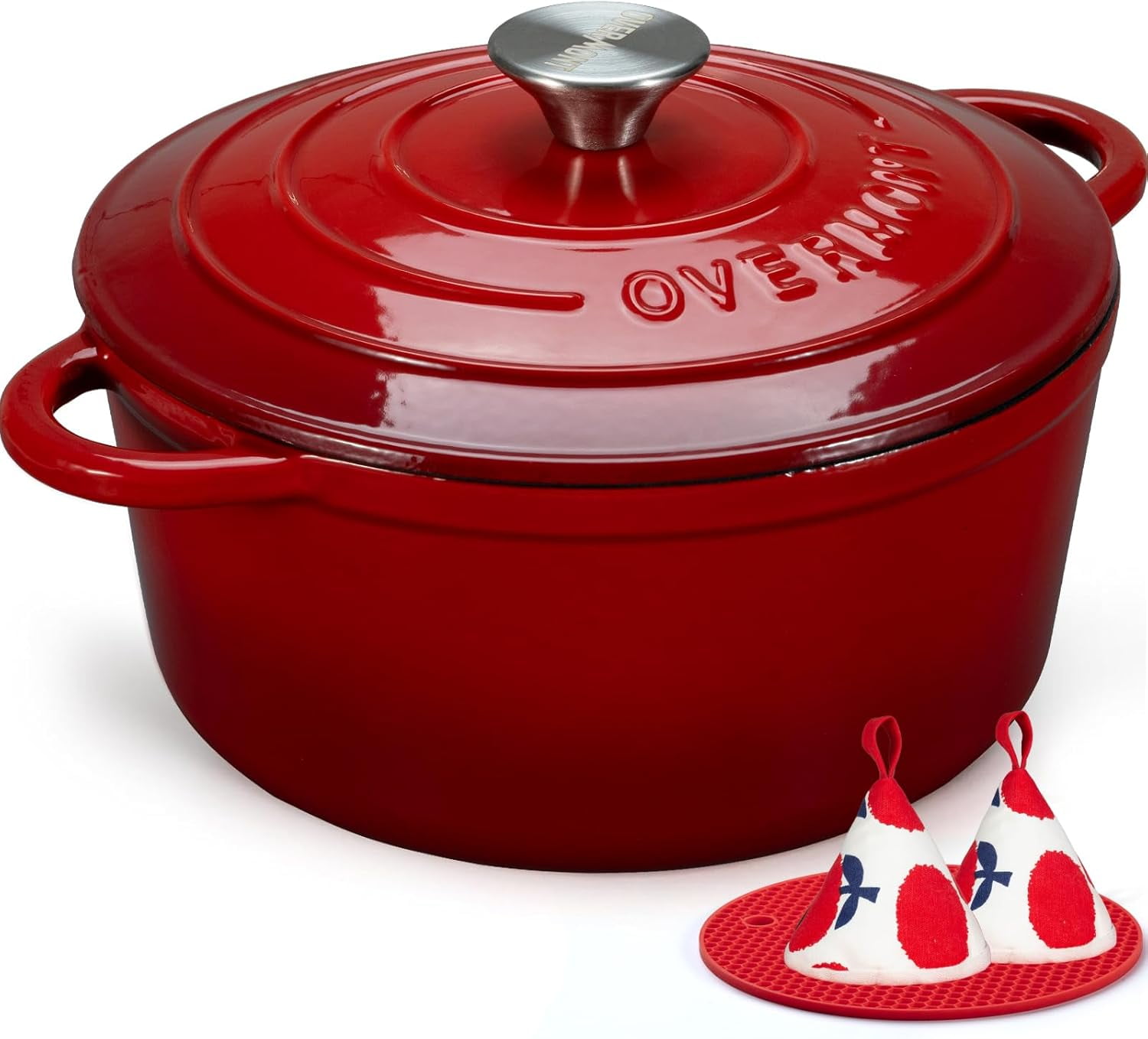
The Overmont name shows up often in budget cookware conversations, usually because it aims at the lower end of the enameled cast iron market. That makes the deal interesting, but not magical. Think of it like buying a used car. The sticker price is only the first line of the bill.
What is a fair price for a Dutch oven?
Big brands like Le Creuset and Staub can cost several times more than many budget options. Consumer Reports and Serious Eats have both noted that quality Dutch ovens can perform well across a wide range of prices, though durability, finish, and fit tend to separate the bargains from the keepers.
So what should you look for? If you are getting enameled cast iron, the useful questions are boring ones. Does the lid sit snugly? Is the enamel smooth? Are the handles wide enough to grip with oven mitts? Boring questions save real money.
A cheap Dutch oven is only a deal if you use it for years. If it chips, warps, or becomes annoying to clean, you did not save money. You rented a headache.
How to compare the Overmont Dutch oven deal with other options
Start with the basics. Check capacity, oven-safe temperature, lid design, and whether the interior is light or dark enamel. A light interior makes it easier to watch browning. A darker one can hide stains better, but it also makes visual checks harder.
Use this quick checklist before you buy
- Confirm the quart size matches your cooking.
- Look for enameled cast iron, not just “cast iron” in the title.
- Check the lid weight and fit.
- Read reviews for enamel chips, not just star ratings.
- Make sure the handles are large enough to lift safely.
Do you cook for two, or do you batch meals for a family? That answer changes everything. A 5-quart Dutch oven is enough for many households. A 7-quart model gives you more room for soups, roasts, and no-knead bread, but it also takes more storage space and more arm strength. Heavy cookware is like a steel frame in a house. Great when it is in the right place, annoying when it is not.
Where the Overmont Dutch oven deal can make sense
This kind of deal makes sense if you want enameled cast iron without paying premium-brand prices. It also makes sense if you are testing whether you will actually use a Dutch oven before spending a lot more. That is a solid way to shop. No drama.
It can also be smart for gift buying, dorm cooking, or a second pot for side dishes. If your main Dutch oven already handles the hard work, a budget version can serve as the backup. Just do not expect luxury-brand polish. You are shopping for function first.
Where to be careful with a budget Dutch oven
Look, the weak point in cheaper enameled cast iron is often the finish. Chipped enamel near the rim or lid can become a long-term annoyance. Some lower-cost pots also have rougher bases, which can scratch glass cooktops if you drag them around.
Another issue is heat discipline. Budget Dutch ovens may not tolerate abuse as well as pricier ones. That means no empty preheating on high heat and no metal utensils if the enamel is thin. Treat it well and it may serve you fine. Treat it like a tank and you may shorten its life fast.
Simple ways to protect your purchase
- Use low to medium heat for most stovetop cooking.
- Let the pot cool before washing.
- Hand wash it instead of sending it through a rough dishwasher cycle.
- Use silicone, wood, or nylon tools to protect the enamel.
- Store the lid with a paper towel or cloth between stacked cookware.
Care is not glamorous, but it pays.
If you want a pot that lasts, this part is non-negotiable. A Dutch oven is not like a disposable kitchen gadget. It is closer to a cast-iron skillet with a lid, which means patience and basic maintenance matter more than flashy marketing.
Is the Overmont Dutch oven deal worth it?
If the price is low, the size fits your cooking, and the reviews show stable enamel and decent lid fit, the deal may be worth a serious look. If you see vague product claims, uneven feedback, or complaints about chipping, keep your wallet closed. Cheap cookware can be fine. Cheap cookware with sloppy construction is usually not.
My rule is simple. Buy the budget Dutch oven if it solves a real kitchen problem today. Skip it if you are buying it because the discount feels urgent. The next sale will come around. Will the pot still look good after a year of soup season?
What to watch next
Before you click buy, compare the Overmont deal against one or two known brands in the same size. Then decide whether the savings are real enough to justify the tradeoffs. That is the move that separates a true bargain from an expensive mistake.