
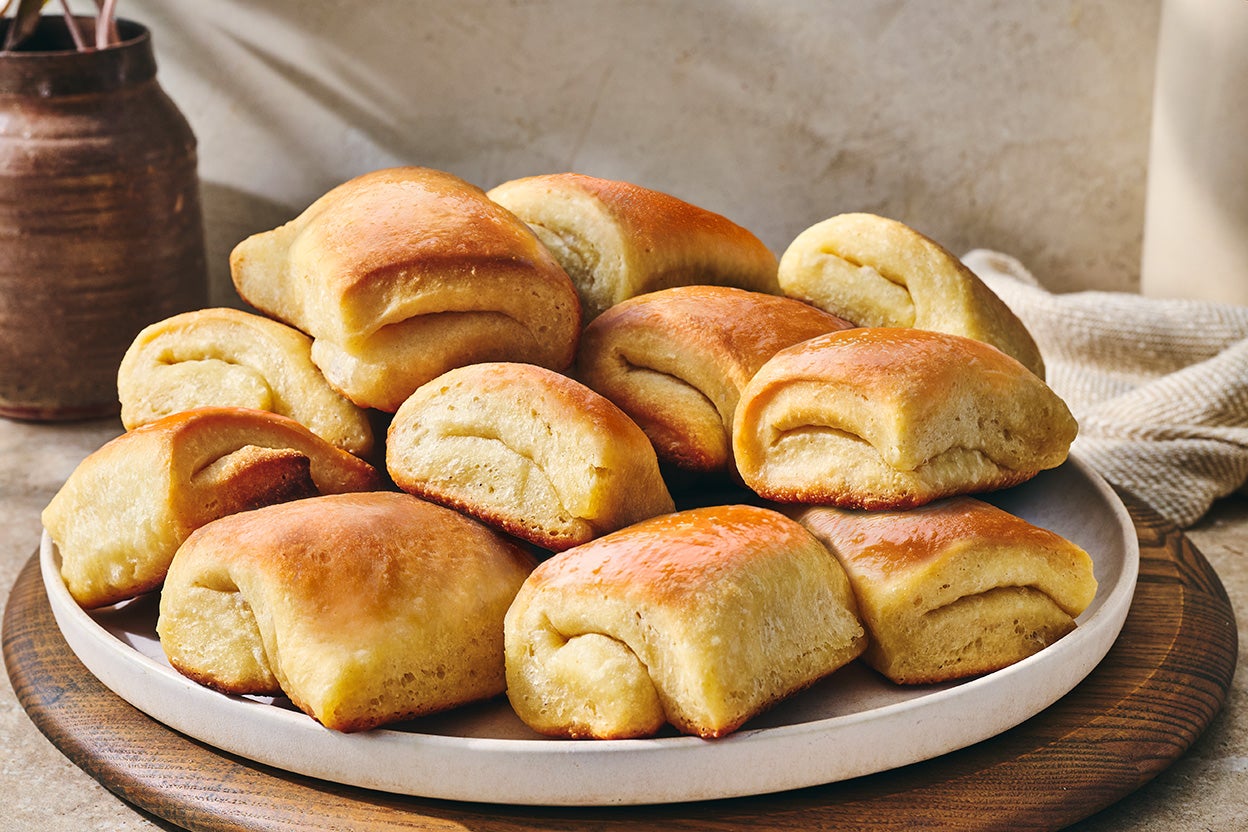
Parker House Rolls on a Shoestring: A Baker’s Guide to Soft Dinner Bread
Your family wants buttery dinner rolls that taste like a bakery batch, but grocery prices keep climbing. You can bake Parker House rolls at home for less than a store dozen, and you do not need a pro kitchen to make it happen. The classic fold-over shape stays tender, the crumb pulls apart cleanly, and the cost stays in check if you shop smart. Parker House rolls deliver comfort food without draining your budget, and the process teaches you timing, dough handling, and smart substitutions. I have covered enough food tech to know that even simple yeast doughs benefit from structure, and this one rewards patience. Ready to turn flour and a few pantry staples into a weeknight win?
Fast Facts Worth Your Time
- Proof yeast in warm milk to keep Parker House rolls airy.
- Butter the folds for the signature pull-apart texture.
- Use bread flour for chew; all-purpose works in a pinch.
- Rest the dough twice for flavor and softness.
- Freeze shaped rolls before the second rise for make-ahead baking.
Why Parker House Rolls Matter for Budget Dinners
Most supermarket rolls feel bland and spongy. These Parker House rolls bring real dairy flavor and a soft crumb while costing pennies per roll. You control the ingredient list, so you skip additives and keep sodium in check. And they hold up next to stews, roasted chicken, or even breakfast sandwiches. Think of them like a solid offensive line in football: they make every other dish look better.
One sentence can say plenty.
Parker House Rolls Budget Shopping List
Stick to simple items and compare unit prices. Bread flour often beats all-purpose for structure, but use what you have. Unsalted butter gives you control over salt balance. Whole milk helps browning; 2% works with a touch more fat from butter. If yeast packets feel pricey, buy a jar and store it chilled. And skip fancy finishing salts for this bake.
- Flour: 3 cups bread or all-purpose.
- Yeast: 2 1/4 teaspoons active dry.
- Milk: 1 cup warm (about 110°F).
- Sugar: 2 tablespoons to feed yeast and color the crust.
- Butter: 6 tablespoons melted, plus extra for brushing.
- Salt: 1 teaspoon fine.
- Egg: 1 large for richness (optional but helps color).
Step-by-Step: Parker House Rolls Without Stress
Warm the milk until it feels like a hot bath, then stir in sugar and yeast. After five minutes, you want foam. If you see nothing, toss it and start over; dead yeast ruins texture. Mix flour and salt in a bowl, pour in the yeast mixture, add melted butter, and the egg if using. Stir until shaggy. Knead until smooth, about eight minutes by hand or five in a mixer. The dough should be tacky, not gluey.
Let it rise until doubled. Flatten into a rectangle about half an inch thick. Cut into squares, brush with butter, fold like a loose book, and place fold-side down on a greased sheet. Rise again until puffy. Bake at 350°F until golden, about 15 to 18 minutes. Brush more butter while hot for shine. Why rush when patience gives you that tender pull?
Good rolls come from steady heat and gentle handling, not fancy gear.
Timing Tricks for Weeknight Bakers
If the clock is tight, refrigerate the dough after the first rise; cold fermentation slows yeast and deepens flavor. Shaped rolls can freeze before the second rise, then thaw and proof the day you need them. Think of it like meal-prepping: you invest time on Sunday, then reap fresh bread on Wednesday.
Common Mistakes to Dodge
- Using hot milk that kills yeast. Stay near 110°F.
- Skipping the second rise. It keeps Parker House rolls tender.
- Overflouring the bench. Extra flour dries the crumb.
- Baking too hot. 350°F keeps butter from scorching the bottoms.
Flavor Tweaks Without Extra Cost
Brush folds with garlic butter for savory dinners. Swap a tablespoon of sugar for honey if you want mild sweetness. Sprinkle a pinch of flaky salt on top right after baking for contrast. These tweaks cost cents and keep the recipe interesting. Wouldn’t you rather serve rolls that people talk about than anonymous grocery bread?
How to Serve and Store Parker House Rolls
Serve warm with stews, chili, or simple roasted vegetables. Leftovers keep soft in a sealed bag for two days. Reheat at 300°F for five minutes to revive the crumb. For longer storage, freeze baked rolls in a single layer, then bag them. They reheat straight from frozen in about ten minutes.
Closing Thought for Home Bakers
Fresh Parker House rolls make even a budget dinner feel intentional. Keep yeast on hand, trust the rest times, and you get bakery texture without a bakery price. Next time you plan a meal, slot in one batch and see how the table mood shifts.