Salary Negotiation: The Raise That Compounds
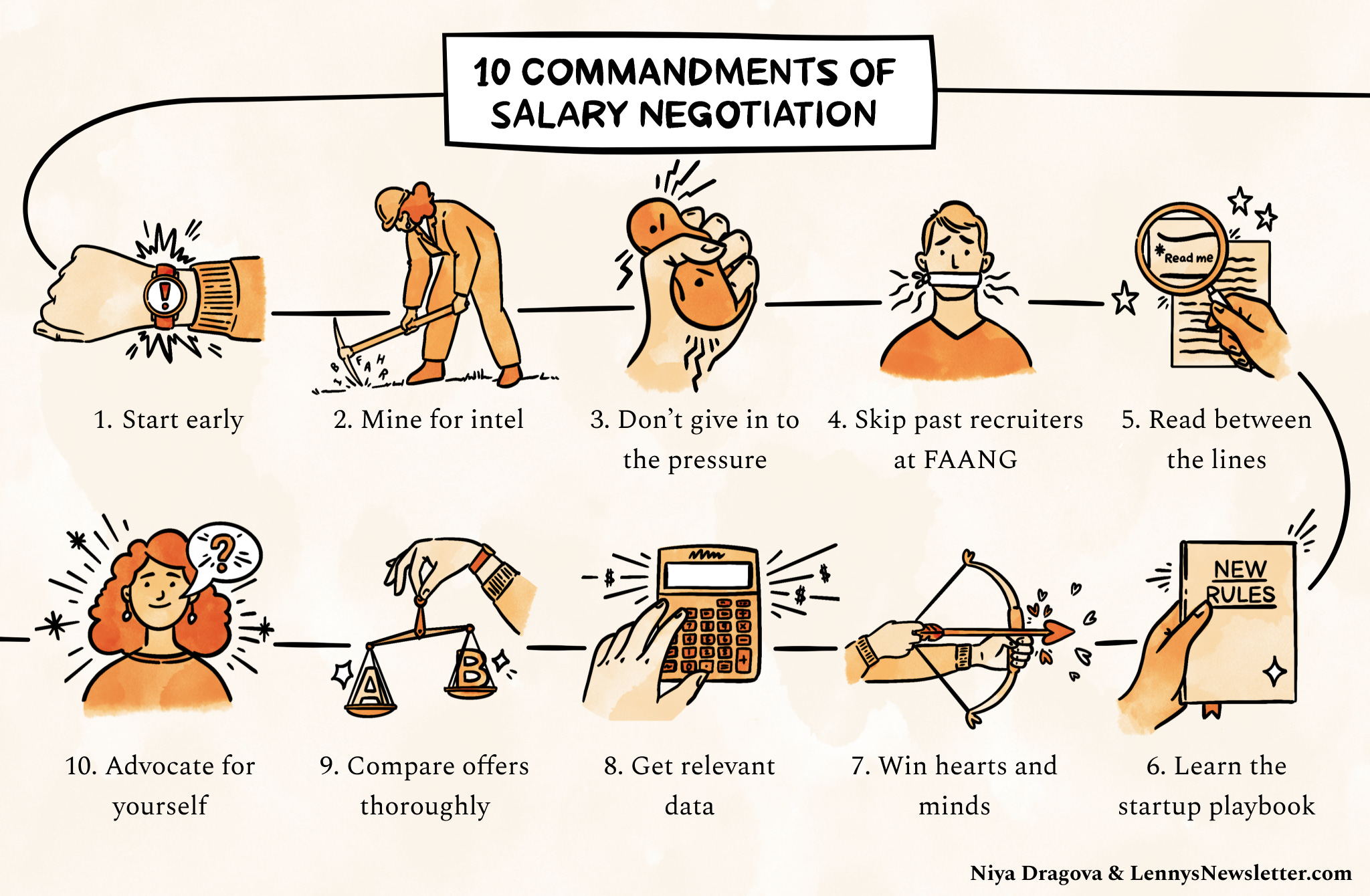
Your paycheck sets the pace for more than this month’s bills. It shapes your future raises, bonus targets, retirement contributions, and even the salary range recruiters use when they call. That is why salary negotiation matters right now, especially after years of inflation and uneven wage growth. A small bump can look modest on paper, then turn into thousands of dollars over time. Money Crashers makes this point in its article on the compounding impact of negotiating salary, and it is the part many workers still miss. You are not asking for a favor. You are pricing your work in a market. If you skip the conversation, you may carry that discount into your next role, and the one after that. So what should you ask for, and how do you avoid sounding like you are guessing?
What You Need to Know First
- Salary negotiation compounds because future raises often build from your current base pay.
- Market data matters more than personal need. Bring ranges from sources like job postings, recruiters, and salary databases.
- Your best time to negotiate is before accepting a job offer, but annual reviews and role changes also create openings.
- A clear number beats vague language. Ask for a specific salary or range tied to your value.
- Benefits can matter if base pay stalls, including signing bonuses, equity, remote work, PTO, and professional development budgets.
Why Salary Negotiation Compounds Over Your Career
Compounding is usually discussed in investing, but it applies to pay too. If two people start the same job and one negotiates $5,000 more, the gap can widen as raises, bonuses, and retirement matches are calculated from that higher base.
The gap gets expensive fast.
Say you receive a $70,000 offer and negotiate it to $75,000. If both salaries grow 3 percent per year, that one conversation creates more than $57,000 in extra gross pay over 10 years. Add a 4 percent 401(k) match, and the difference grows again (before investment gains).
Money Crashers frames salary negotiation as a long-term wealth move, not a one-time awkward conversation. That is the right lens.
Look, companies understand this math. Compensation teams build ranges, bands, and promotion budgets around it. You should understand it too, because your base salary is the first brick in the wall.
The Salary Negotiation Mistake That Costs You Most
The biggest mistake is waiting until you feel certain you deserve more. Certainty is rare. Evidence is better.
Too many workers walk into a conversation with a loose statement like, “I was hoping for something higher.” That gives the employer all the room. A stronger version sounds like this: “Based on the scope of the role, my experience with client renewals, and the market range I am seeing, I am looking for $82,000.”
That sentence does three useful things. It names the work, connects it to proof, and gives a clear number. No apology needed.
How to Research Your Salary Range Without Fooling Yourself
Salary data can be messy. One website says a role pays $68,000, another says $91,000, and a job posting lists a range wide enough to park a bus in. So how do you find a number you can defend?
Use at least three sources, then look for overlap. Public job postings are useful because some states and cities now require pay ranges. Recruiter messages can also help if they name a budget. Salary tools from Glassdoor, Payscale, Levels.fyi, the Bureau of Labor Statistics, and industry surveys can round out the picture.
Build a simple pay range
- Find 5 to 10 current postings for similar roles in your location or remote market.
- Write down the low, midpoint, and high end of each range.
- Remove outliers that look odd or unrelated.
- Compare the remaining range with your years of experience, results, and special skills.
- Pick a target number and a walk-away number before the conversation.
This is like pricing a used car before you sell it. You do not pick the highest listing online and call it truth. You check mileage, condition, location, and demand, then set a number that can survive pushback.
A Practical Salary Negotiation Script You Can Use
The best scripts are short. You want to sound prepared, not rehearsed by a committee. Start with thanks, state your case, then pause.
For a new job offer, try this:
“I am excited about the role and the team. Based on the responsibilities we discussed and the market range for similar roles, I was expecting something closer to $88,000. Is there room to move the base salary to that level?”
For a current job review, use results instead of market data alone. Managers need something they can repeat to finance or HR, so give them a clean business case.
“Over the past year, I took over onboarding for two major accounts, reduced average response time, and trained three new team members. Given that expanded scope, I would like to discuss adjusting my salary to $78,000.”
Then stop talking. Silence feels strange, but it gives the other person room to answer. If you keep filling the space, you may negotiate against yourself.
What to Ask For If They Say No
A “no” on base salary is not always the end. Sometimes the hiring manager has a fixed band, or your boss has no midyear budget. That does not mean you leave empty-handed.
Ask about items that still improve your financial position or quality of life. Some cost the employer less than a salary increase, which makes approval easier.
- Signing bonus
- Performance bonus target
- Earlier salary review, such as 3 or 6 months
- Extra PTO
- Remote or hybrid schedule
- Professional certification or conference budget
- Relocation support
- Equity or stock options
- Better job title, if it matches the work
Get any agreement in writing. A friendly promise can vanish after a reorg, a manager change, or one bad quarter. Written terms keep everyone honest.
Salary Negotiation Works Better Before You Need It
The strongest negotiation starts months before the meeting. Track wins while they are fresh, especially numbers tied to revenue, savings, speed, risk reduction, or customer retention. Your memory will betray you if you wait until review week.
Keep a simple file with dates, projects, outcomes, praise from clients or leaders, and new responsibilities. This is not vanity. It is evidence.
And do not ignore timing. A company that just lost a key employee, landed new funding, expanded your role, or posted a similar job at a higher range may be more open to a pay conversation. You still need tact, but timing can turn a hard ask into a reasonable one.
Common Pushback and Better Replies
Employers often use familiar lines. Some are fair. Some are fog. Your job is to stay calm and move the conversation back to value and next steps.
“We do not have the budget.”
Try: “I understand budgets are set. Can we schedule a salary review in 90 days and agree on the performance targets that would support an adjustment?” This turns a dead end into a dated follow-up.
“This is the standard offer.”
Try: “I appreciate that. Given my experience with the exact systems this role uses, is there flexibility within the band?” You are asking whether they can place you higher, not whether they can break policy.
“We will revisit it later.”
Try: “That works if we can define later. Can we put a review date and target range in writing?” Soft promises need hard edges.
Where This Fits in Your Money Life
Salary negotiation is a money habit, not a personality test. You do not need to be loud, slick, or fearless. You need preparation, a clear ask, and enough patience to let the other side respond.
The payoff can fund boring but powerful goals: a larger emergency fund, higher retirement contributions, faster debt payoff, or breathing room in your monthly budget. A raise that becomes automatic in every paycheck is one of the cleanest financial wins you can get.
Honestly, I have covered personal finance long enough to see the pattern. People will spend hours comparing credit card rewards, then avoid a 10-minute pay conversation that could be worth far more. Which one deserves your energy this week?
Your Next Move
Pick one number before your next pay conversation. Back it with current market data and two or three results you can prove. If the answer is no, ask what would make the answer yes and set a date to revisit it.
Your future salary is being shaped either way. Better that you have a hand in setting it.