
Save Money on Gas Without the Myths
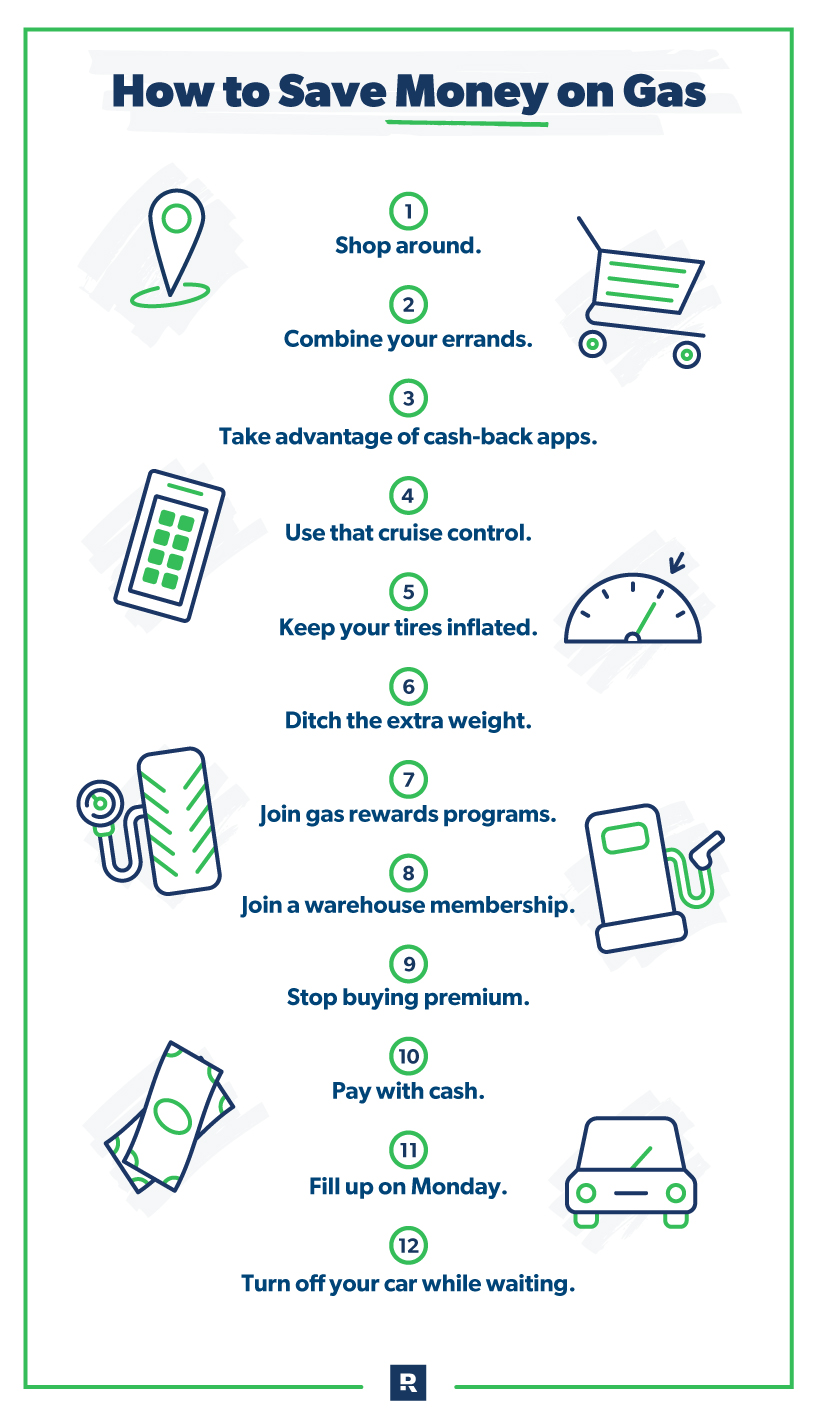
If you want to save money on gas, the best advice is usually the least glamorous: slow down a little, stop hauling extra weight, keep your tires where they should be, and resist the internet’s obsession with miracle fixes. Gas prices are brutal because they hit every trip, not just the long ones. That makes fuel a rare household expense where tiny habits compound fast. The trick is separating real efficiency from folk wisdom. A full tank is not a strategy, and a premium octane upgrade is not a personality trait. What actually works is a mix of driving discipline, maintenance, and route planning – the kind of boring, repeatable behavior that beats flashy hacks almost every time.
- Fuel savings come from habits – not one magic trick.
- Small changes add up – especially on short, frequent trips.
- Maintenance matters – tire pressure, alignment, and load all affect efficiency.
- Driving style is leverage – smooth inputs beat aggressive braking and acceleration.
- Tracking your mileage reveals waste – and makes progress measurable.
How to save money on gas without gimmicks
The fastest way to waste fuel is to treat every drive like a sprint. Most engines burn more when you floor it, brake hard, and bounce through traffic with no plan. The real question is not whether a single trick saves a few cents. It is whether your weekly routine is quietly leaking money everywhere. That is why the most effective advice often looks unremarkable: drive smoothly, anticipate traffic, and keep your speed steady when the road allows it.
If your car has cruise control, use it on open highways. If it has eco mode, understand what it changes before you assume it is a miracle button. These settings can help, but only when they support a calmer driving style. A light foot on the accelerator matters more than a badge on the dashboard. So does avoiding unnecessary idling. Even a few minutes of sitting still with the engine running turns into real fuel over the course of a month.
Drive like fuel is expensive because it is
Most drivers know aggressive driving is bad for fuel economy, but they underestimate just how expensive it can be. Rapid acceleration spikes consumption. Hard braking throws away kinetic energy that your car already paid for in gasoline. The most efficient drivers are rarely the slowest ones, but they are consistently the smoothest ones. They read traffic early, coast when appropriate, and avoid the stop-and-go rhythm that punishes city mileage.
Think in terms of fuel economy, not just speed. If you can roll through a light instead of stopping dead, you keep momentum. If you can merge cleanly instead of darting between lanes, you burn less. If you can leave a bit earlier and avoid the worst traffic, you may save more than you would by obsessing over the cheapest station in town.
Trim the drag on your wallet
One of the most underrated ways to save money on gas is to reduce the burden your car is carrying. Roof racks, cargo boxes, heavy tools, and random junk in the trunk all add weight or drag. That extra resistance does not look dramatic, but it compounds every mile. On a highway, aerodynamic drag matters a lot. In the city, extra weight matters more. Either way, your car is working harder than it needs to.
- Remove roof accessories when you are not using them.
- Clean out cargo you do not need for daily driving.
- Check tire pressure monthly so low tires do not quietly tax every trip.
- Keep alignment current if the car pulls or the steering feels off.
Tire pressure deserves special attention because it is easy to ignore and surprisingly expensive to get wrong. Underinflated tires increase rolling resistance, which means the engine has to work harder. It is not dramatic on a single drive. It is dramatic across an entire year. If you want an unconventional tip that actually pays off, this is near the top of the list: check the tires before you chase hacks.
The cheapest gallon is the one you never burn. Most fuel savings come from reducing waste, not finding a magical workaround.
Where the unconventional advice actually works
There is a reason readers keep asking for unusual gas-saving tricks. The obvious ones sound too easy. But the best unconventional advice is usually about timing, discipline, and measurement, not secret fuel additives. Start with the myth that premium gas automatically improves performance. If your car does not require it, paying extra rarely changes efficiency enough to justify the cost. Use the fuel grade your manufacturer recommends, not the one that sounds more premium at the pump.
Another overlooked move is cutting idle time. Modern engines do not need long warmups the way older vehicles did. Start the car, let it settle briefly, and drive gently. Leaving the engine running while you wait outside a store, sit in a school pickup line, or make a phone call burns fuel for no benefit. Idling is one of the easiest habits to fix because it offers almost no upside.
Track your real numbers
The most practical way to improve is to measure. Reset the trip meter at each fill-up or log your mileage in a notes app. Use the simple formula: miles driven / gallons filled = MPG. Once you know your baseline, you can see whether a new route, tire pressure check, or driving habit actually helped. Without numbers, you are guessing. With numbers, you are debugging your commute.
For drivers who want a more precise picture, an OBD-II reader or fuel-tracking app can expose how your car behaves under real conditions. You do not need fancy hardware to get started, but data can reveal patterns that instinct misses. Maybe your highway route is efficient but your school drop-off routine is not. Maybe your weekend errands are the real gas drain. Once you know where the waste lives, the fix becomes obvious.
Use your schedule as a fuel-saving tool
People often talk about gas savings as if it is only about the car. It is also about timing. Combining errands reduces cold starts and avoids repeat trips. Leaving ten minutes earlier can help you skip the worst congestion. Choosing one larger shopping run instead of three small ones can cut both mileage and fatigue. None of this is glamorous. All of it works.
This is where unconventional advice gets interesting: the best gas-saving move may be to change when you drive, not how hard you press the pedal. If you can group destinations geographically, avoid peak congestion, and turn drive-thru habits into walking errands once in a while, the savings are real. Transportation is a system. The fewer times you force that system to work against itself, the more money stays in your pocket.
Why saving money on gas matters more than ever
Fuel costs are not just a nuisance. They shape how people work, commute, travel, and budget. A household that spends less on gas has more flexibility everywhere else. That is why this topic keeps coming back, even as cars get more software-heavy, more powerful, and often more expensive to run. The modern vehicle may have better screens and smarter driver aids, but physics still wins. Weight, speed, traffic, and maintenance still determine how far a tank goes.
There is also a bigger industry shift happening. Automakers are pushing hybrids, smarter route planning, and efficiency-focused software because fuel cost sensitivity is not going away. Even drivers who eventually move to electric vehicles can learn from the same mindset: measure waste, reduce friction, and make the machine work less for the same result. The technology changes. The discipline does not.
For now, the winning formula is straightforward. Keep the car maintained. Drive smoothly. Cut unnecessary weight. Track your mileage. Question expensive myths. That is how you save money on gas without turning every trip into a science experiment. The answer is not a secret additive or a viral hack. It is a smarter routine, repeated long enough to matter.
- Use the manufacturer-recommended fuel grade unless your engine requires otherwise.
- Avoid long idling because it burns fuel with zero distance gained.
- Plan one efficient route instead of stacking redundant trips.
- Measure before and after so you know what actually improves
MPG.
If the goal is lower fuel spending, the best strategy is not dramatic. It is disciplined, measurable, and repeatable. That is also why it works.