
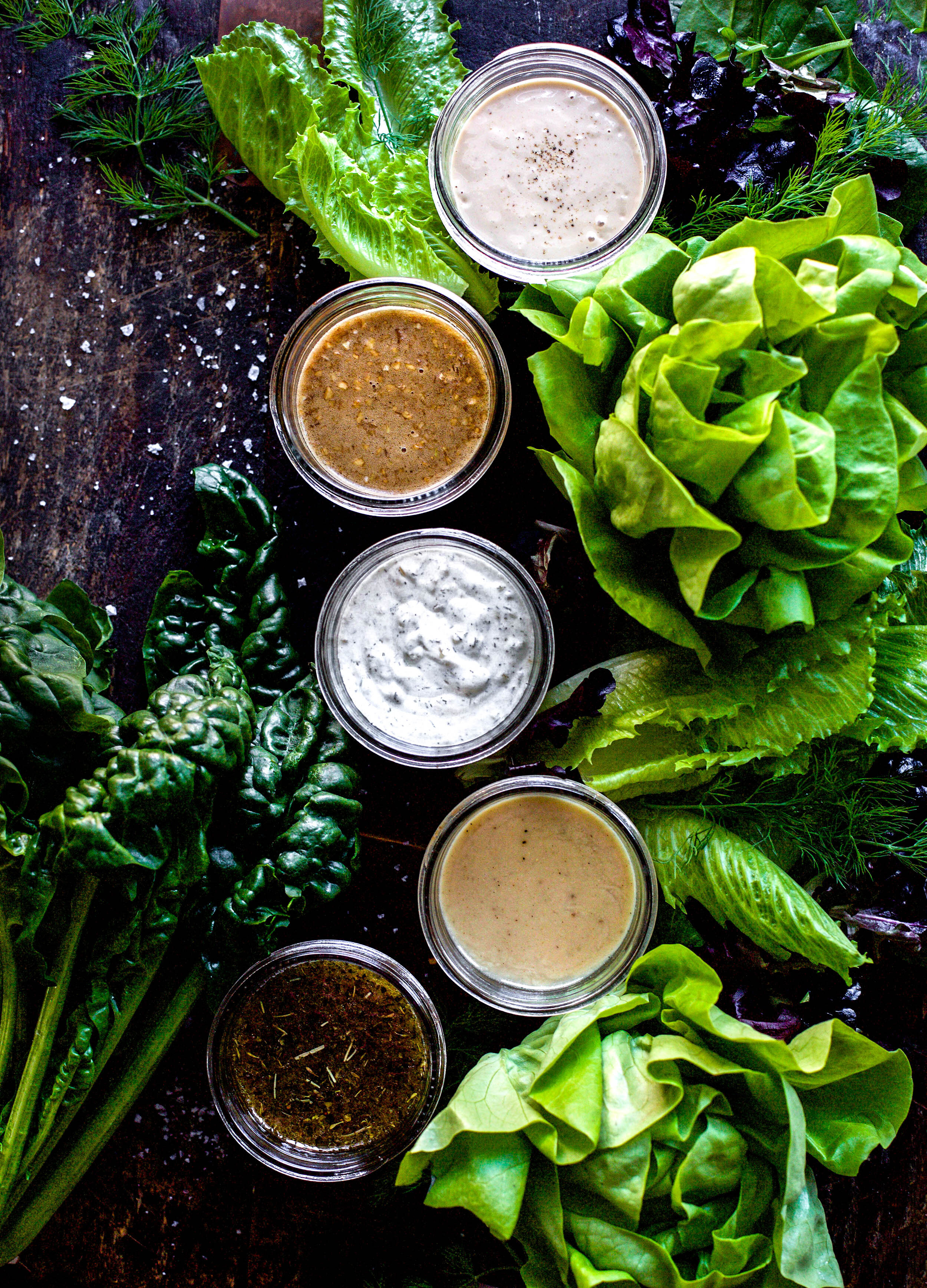
Simple Homemade Salad Dressing Recipes That Save Money
If you keep buying bottled dressing, you are paying for convenience more than flavor. That matters now because grocery bills keep creeping up, and the easiest place to trim waste is the stuff you pour on top of a salad. Simple homemade salad dressing recipes give you control over cost, taste, and ingredients without turning dinner into a project.
Look, a good dressing does not need a long label or a fancy bottle. It needs acid, fat, seasoning, and a little balance. Once you know that formula, you can mix a batch in minutes and stop tossing half-used bottles after they go stale in the fridge. Why keep buying the same overpriced ranch when your pantry already holds most of what you need?
- You can make most dressings with oil, vinegar, mustard, citrus, or yogurt.
- Small batches cut waste and taste fresher than store-bought bottles.
- Homemade dressing helps you control sugar, sodium, and additives.
- A few core recipes can cover greens, grain bowls, slaws, and marinated vegetables.
Why simple homemade salad dressing recipes work so well
Store-bought dressing often costs more per ounce than the ingredients inside it. A basic vinaigrette can come together with olive oil, vinegar, Dijon mustard, salt, and pepper. That is a cheap formula, and it gives you room to adjust the flavor instead of settling for a factory preset.
There is also the waste factor. A bottle that sits in the fridge for weeks is like a gym membership you never use. You paid for it, but it is not helping you much.
FoodWaste.org and USDA materials both point to the same pattern. Households waste edible food and ingredients when they buy more than they use. Dressing is a small item, but it follows the same math.
The basic formula behind simple homemade salad dressing recipes
Start with a ratio, then adjust. A classic vinaigrette uses 3 parts oil to 1 part vinegar or citrus juice. If you want a sharper bite, lean closer to 2 to 1. If you want a softer finish, add a little honey or maple syrup.
Here is the simplest structure:
- Fat: olive oil, avocado oil, or neutral oil.
- Acid: vinegar, lemon juice, lime juice, or a mix.
- Emulsifier: Dijon mustard, tahini, yogurt, or mayo.
- Seasoning: salt, black pepper, garlic, herbs, or spices.
Whisk it. Taste it. Adjust it. That is the whole game. And yes, you can shake it in a jar if you are not in the mood to wash a bowl.
A quick vinaigrette you can memorize
Use 3 tablespoons oil, 1 tablespoon vinegar, 1 teaspoon Dijon, and a pinch of salt. Add pepper if you want more bite. If the mix tastes flat, add another splash of acid. If it feels too sharp, add a little more oil or a touch of honey.
Simple homemade salad dressing recipes you can make tonight
These versions use ingredients you likely already own. They also travel well across different meals, which makes them more useful than a one-note bottle from the store.
1. Basic balsamic vinaigrette
Whisk 3 tablespoons olive oil, 1 tablespoon balsamic vinegar, 1 teaspoon Dijon mustard, and a small pinch of salt. If you want a sweeter profile, add 1/2 teaspoon honey. This works on spinach, tomatoes, roasted vegetables, and mozzarella salads.
2. Lemon herb dressing
Mix 3 tablespoons olive oil, 1 tablespoon lemon juice, 1 teaspoon Dijon, 1 minced garlic clove, and chopped dried or fresh herbs. Parsley, oregano, and dill all work. This one feels bright and clean, which makes it good for cucumber salads and grilled chicken bowls.
3. Creamy yogurt dressing
Combine 1/4 cup plain Greek yogurt, 1 tablespoon lemon juice, 1 tablespoon water, 1 teaspoon olive oil, salt, and pepper. Add garlic powder or dill if you want more flavor. This is a smart swap when you want creaminess without opening a bottle of ranch.
4. Peanut-style dressing
Stir together 1 tablespoon peanut butter, 1 tablespoon soy sauce, 1 tablespoon lime juice, 1 teaspoon honey, and 1 to 2 tablespoons warm water. This one is excellent on slaws, noodle bowls, and shredded cabbage. It is the salad dressing version of a dependable kitchen tool, like a good chef’s knife. No drama. Just use.
How to save money with simple homemade salad dressing recipes
The real savings come from using what you already have and buying fewer specialty bottles. A bottle of sesame ginger or avocado cilantro dressing can cost a surprising amount, especially if you only use it once a week. Pantry ingredients stretch much farther.
Try this approach.
- Buy one good oil and one or two vinegars.
- Keep Dijon, salt, pepper, and garlic on hand.
- Use lemon or lime when you want fresh acid.
- Make only what you will use in 5 to 7 days.
That last part matters. Fresh dressing tastes better, and it lowers the odds that you will toss spoiled leftovers. If you meal prep, portion the dressing into small jars so you do not contaminate the whole batch with a used spoon.
How to store homemade dressing without ruining it
Use a clean jar with a tight lid and label the date. Most oil-based dressings keep for about a week in the fridge, sometimes longer if the ingredients are stable. Creamy dressings with yogurt or fresh garlic need more care and usually should be used sooner.
Cold oil will solidify, so let the jar sit at room temperature for a few minutes before you use it. Then shake it hard. If it separates, that is normal. Emulsions are finicky, and that is part of the deal.
Which dressing should you make first?
Start with a vinaigrette if you are new to this. It is fast, cheap, and easy to fix if the flavor is off. After that, move to one creamy recipe and one bold flavor like peanut or tahini.
The best part is flexibility. Once you understand the base, you stop treating dressing as a separate purchase and start treating it as part of dinner planning. That is where the savings show up. Which bottle are you going to stop buying first?
Your next move in the kitchen
Pick one dressing, make a small batch, and write down the ratio that tastes best to you. Then use it on more than salad. Drizzle it over roasted carrots, grain bowls, or leftover chicken. The goal is not perfection. The goal is to make a cheap, useful staple that earns its place in your fridge.