
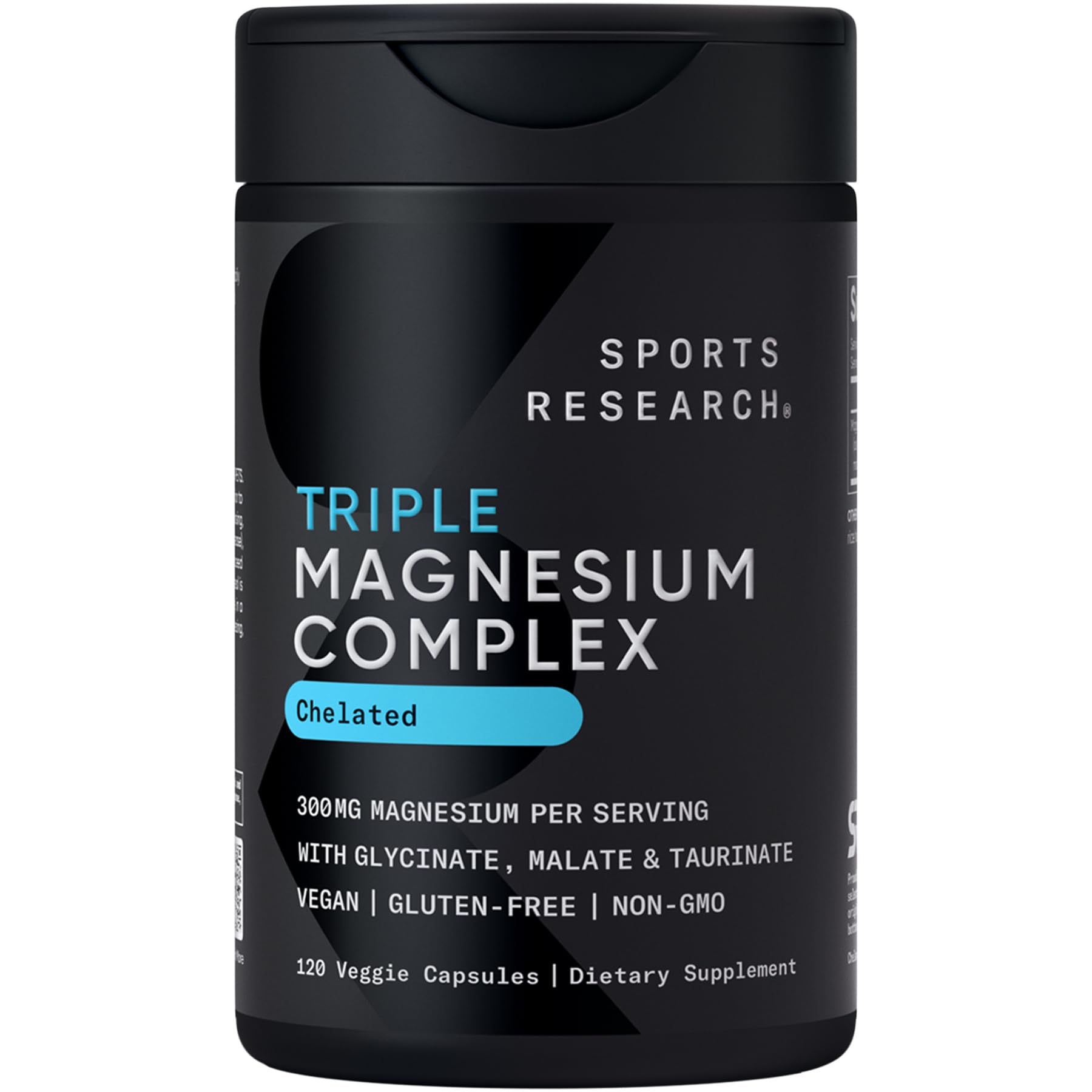
Sports Research Magnesium Complex Deal: Is It Worth Buying?
You see a supplement sale, the discount looks solid, and now you have to decide fast. That is the trap with many wellness promos. The Sports Research Magnesium Complex deal can look appealing if you already use magnesium or plan to try it, but price alone should not make the decision for you. You need to know what is in the bottle, how the cost compares with similar products, and whether it fits your health and household budget right now.
I have covered consumer deals long enough to know this pattern. A decent product gets wrapped in urgency, and shoppers start treating a vitamin like a flash-sale gadget. That is a mistake. If you want to spend smarter, the better move is to look at the formula, serving count, and real cost per day before you click buy.
What stands out
- The Sports Research Magnesium Complex deal may be worth it if you already planned to buy magnesium.
- Cost per serving matters more than the headline discount.
- Blend quality, capsule count, and form of magnesium should shape your choice.
- If the supplement is not in your routine, a sale alone is a weak reason to buy.
What is the Sports Research Magnesium Complex deal?
Based on the source listing from Money Saving Mom, this is a featured discount on Sports Research Magnesium Complex. Deal posts like this usually point readers to a temporary price drop on Amazon or another major retailer. The core pitch is simple. You get a branded magnesium supplement at a lower price than usual.
That can be useful. But only if the numbers hold up after a quick check.
Here is the first question I would ask. Are you buying a sale, or are you buying something your household will actually use?
How to judge a Sports Research Magnesium Complex deal
1. Check the price per serving
Supplement labels can be sneaky in a very ordinary way. One bottle may look cheap, but if it holds fewer servings or requires multiple capsules a day, your monthly cost rises fast. Think of it like grocery shopping for coffee. The can with the bright sale sticker is not always the best buy if the ounces are smaller.
Look at:
- Total capsules in the bottle
- Serving size
- Total servings
- Final price after coupons or Subscribe & Save
Then divide the final price by the number of servings. That is your real comparison point.
2. Look at the magnesium forms
Magnesium is not one single thing on a label. Many products use different forms such as magnesium glycinate, citrate, or malate. Those forms can differ in tolerance and intended use, though shoppers should be careful not to treat every marketing claim as fact.
If a complex includes several forms, that may add value. Or it may just make the label look busier. Honestly, brands know people respond to long ingredient lists.
A lower price matters, but a cheaper supplement is not a better deal if the formula does not match your needs.
3. Compare against similar brands
Do not stop at one product page. Compare Sports Research with brands that offer a similar dose and capsule count. Amazon pricing shifts all the time, sometimes by the hour, so a “deal” can simply mean the product dropped back to its normal range.
A quick comparison should include:
- Brand reputation
- Third-party testing or quality claims
- Dose per serving
- Customer reviews with specifics, not vague praise
When the Sports Research Magnesium Complex deal makes sense
This kind of sale makes sense in a few clear cases. First, you already use magnesium and know this formula works for you. Second, the discount beats your usual price by enough to justify stocking up. Third, the purchase fits your budget without pushing aside essentials.
That last point is non-negotiable.
If you are trying to cut spending, supplements belong in the same decision bucket as pantry staples, toiletries, and household repeat buys. They are recurring costs. And recurring costs deserve more scrutiny than one-off impulse buys.
When to skip the Sports Research Magnesium Complex deal
Skip it if you are buying out of curiosity and have not even decided whether magnesium belongs in your routine. Skip it if the sale requires a large order that ties up cash you need elsewhere. And skip it if the “discount” only saves a dollar or two.
Look, this is where deal culture gets a little silly. People will spend $22 to save $3 and call it smart because the listing says limited-time offer. That is like repainting a room while the roof leaks. The order of priorities matters.
Budgeting tips for supplement deals like this
If you buy vitamins, minerals, or protein powder on a regular schedule, build a small line item for them in your monthly budget. Do not let these purchases float around as random extras. That is how small wellness spending turns into a quiet budget leak.
Try this approach:
- Set a monthly supplement cap.
- Keep a note of your normal buy price for repeat products.
- Buy only when the sale price beats that baseline.
- Stock up only if the expiration date gives you enough runway.
- Pass on anything you were not planning to buy anyway.
And yes, expiration dates matter more than people admit.
What the source tells you, and what it does not
The source at Money Saving Mom is useful as a deal alert. It helps you spot a possible savings opportunity quickly. That is valuable if you already know the product and just need a nudge on timing.
But a deal post is not the same as a product review or medical guide. It usually will not tell you whether this magnesium complex is better than a rival formula, whether the dose makes sense for your routine, or whether the sale price is historically strong. You have to do that last bit yourself (it takes two minutes, not twenty).
Should you buy it now?
If the Sports Research Magnesium Complex deal beats your usual price, fits your planned supplement budget, and matches a product you already trust, then yes, it may be a smart buy. If you are mainly reacting to the word “deal,” slow down.
The best shoppers are not the fastest. They are the ones who know their numbers and wait for sales that actually move the needle. Next time you see a supplement promo, ask one blunt question before checkout. Would you still buy this if there were no countdown timer on the page?