Strategic Budget Planner: How to Build a Smarter Monthly Budget
If your money seems to disappear before the month ends, you do not need another vague finance tip. You need a strategic budget planner that shows where your cash goes, what matters most, and what to cut without guesswork. That matters now because prices keep shifting, bills keep arriving on autopilot, and one sloppy month can throw off the next one too.
Look, a budget should act like a seat map, not a rough estimate. You decide where every dollar sits before takeoff. Miss that step, and you are reacting to money instead of directing it.
- Track income first, then assign every dollar a job.
- Separate needs from wants using clear rules, not feelings.
- Build a buffer for irregular expenses and surprises.
- Review weekly so small leaks do not turn into a flood.
- Adjust on purpose when your life changes, not when you are already short.
What a strategic budget planner actually does
A strategic budget planner is more than a spending tracker. It helps you decide where your money should go before the bills and impulse purchases take over. That simple shift changes behavior fast.
Many people try to budget by memory. That fails because memory is fuzzy and spending is sneaky. A good plan puts numbers in front of you, so you can make tradeoffs with real information.
Budgeting is not about restriction. It is about control. You choose the tradeoff instead of letting the tradeoff choose you.
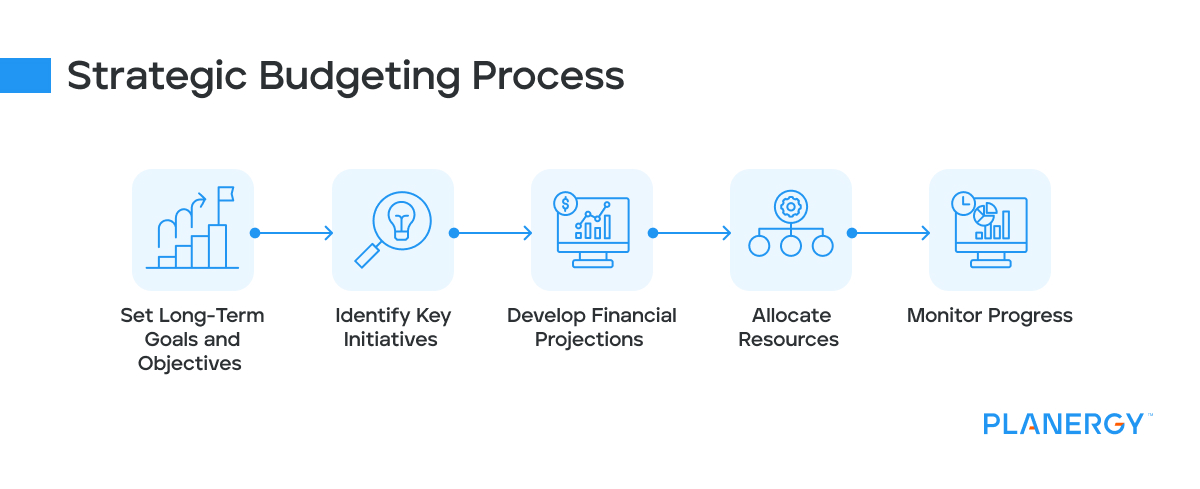
How to use a strategic budget planner step by step
- List monthly income. Use take-home pay, not gross pay. Include side income only if it is regular.
- Map fixed bills. Rent, utilities, insurance, debt payments, and subscriptions go here.
- Estimate variable spending. Groceries, gas, dining out, and household items need realistic caps.
- Set savings targets. Emergency savings, retirement, sinking funds, and goals like travel should be part of the plan.
- Check the remainder. If the math does not work, trim spending until it does.
Honestly, this is where people get stuck. They want the budget to feel good before it works. But budgeting is closer to building a house than decorating one. The structure comes first. The paint comes later.
Strategic budget planner basics for uneven expenses
Some bills do not show up neatly every month. Car repairs, holiday gifts, annual insurance, and school costs can wreck a plan if you treat them like surprises. They are not surprises. They are predictable irregulars.
Use sinking funds for these costs. Divide the yearly total by 12, then save that amount each month. For example, a $600 annual bill becomes $50 a month. Small monthly transfers beat one painful scramble later.
Why let one annual bill punch a hole in your budget when you can spread it out?
Two rules that keep the plan honest
Rule one: budget for real life, not your best week.
Rule two: give every category a cap you can defend.
That second rule matters more than most people think. If you cannot explain why a category deserves its number, the number is probably too loose.
Where most budgets break
Most budgets fail for one of three reasons. The first is underestimating variable spending. The second is forgetting irregular costs. The third is making the plan too strict to survive contact with normal life.
And yes, strict budgets can backfire. If you set your dining budget absurdly low, you will blow through it by the second weekend and feel like you failed. You did not fail. The budget was unrealistic.
Use a margin. Leave a little room in categories that tend to wobble. That buffer keeps one off week from wrecking the whole month.
How to review your strategic budget planner each week
A weekly review takes less than 15 minutes if you keep it simple. Check recent transactions, update category totals, and look for anything odd. The goal is not perfection. The goal is fast correction.
- Compare spending to your caps.
- Move money between categories only when needed.
- Flag recurring charges you forgot about.
- Note one change you can make next week.
This habit works because it catches drift early. A $12 lunch mistake is easy to fix. Ten of them is a budget problem.
Which tools help most
You do not need fancy software. A spreadsheet, a paper planner, or a simple app can work if you use it consistently. The best tool is the one you will open on a tired Tuesday night.
Some people like a zero-based budget. Others prefer the 50/30/20 method for structure. Both can work if you are honest about your numbers. Choose the format that makes review easy, not the one that looks smartest on social media.
Simple beats clever. A plain system you follow is better than a perfect system you ignore.
Make the plan fit your life
A strategic budget planner should match your actual routines, family needs, and pay schedule. If you get paid every two weeks, line up bills around those dates. If you have kids, build in school costs, activities, and extra food spending. If your income varies, budget from your lowest dependable month.
That approach is less glamorous than wishful thinking. It works better. The point is not to create a pretty spreadsheet. The point is to keep your money from running your calendar.
A smarter next move
Start with one month, not one year. Build the budget, track it, then adjust it after you see the weak spots. Your first version will miss something. That is normal.
But once you see where the leaks are, you can fix them. And that is the real value of a strategic budget planner, you stop guessing and start steering. What would change if you knew exactly where next month’s money had to go?