
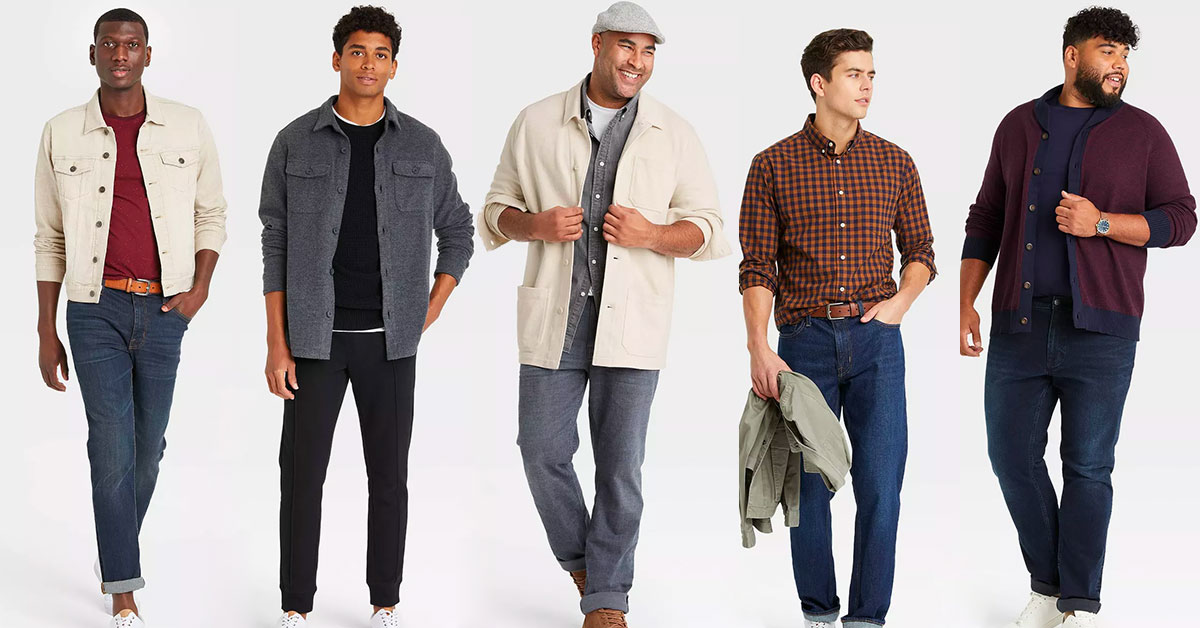
Target Men’s Clothing Deals: What to Buy Now
If you are trying to replace worn-out basics without blowing your budget, Target men’s clothing deals can look like an easy win. The catch is that not every low price is a real deal, and a cheap shirt that shrinks after two washes is no bargain at all. You need to know which items are worth grabbing, which ones to skip, and how to compare Target’s prices against what you would pay elsewhere. That matters now because clothing costs still add up fast, especially for families buying workwear, school clothes, or seasonal layers. Look at the fabric, the fit, and the sale pattern. Then buy the pieces that actually earn their place in your closet.
What stands out in Target men’s clothing deals
- Basics usually give you the best value. Think T-shirts, socks, underwear, hoodies, and athletic shorts.
- Clearance racks can be uneven. You may find excellent markdowns, but size and color choices move fast.
- Target Circle offers matter. Digital offers can drop the price below what the shelf tag shows.
- Fabric checks are non-negotiable. A low price does not help if the item pills or warps quickly.
- Seasonal timing changes everything. End-of-season sales often beat random midweek browsing.
Target men’s clothing deals: what is worth buying
The strongest Target men’s clothing deals usually land on everyday items. Basic tees, joggers, fleece pullovers, boxer briefs, and casual shorts tend to be priced with enough margin that markdowns can become solid buys. These are the pieces stores move in volume, so Target often cuts prices to clear space.
Work basics can also be smart picks if you keep expectations realistic. A plain button-down or chino from a house brand can work fine for office wear, errands, or travel. But if you need long-term durability, pay attention to stitching, fabric weight, and whether the item can survive repeated washing without looking tired.
Cheap clothes are like a shortcut in a kitchen. They save time and money only if the result still gets eaten.
How to judge a deal before you buy
Start with the price history in your head, even if you do not have a price-tracking tool open. Ask yourself one blunt question. Would you still buy this if the discount were smaller?
Then check these details:
- Fabric content. Cotton blends can be comfortable, but too much synthetic material may trap heat or feel slick.
- Construction. Look at seams, hems, and collar shape. Loose stitching is a warning sign.
- Fit consistency. If one size runs wildly different from the rest, order carefully or try it on in store.
- Color availability. The darkest or most common colors often remain cheapest because they sell better and get marked down later.
- Return policy. Keep the receipt and tags until you know the item holds up.
And do not ignore the cost per wear idea. A $12 shirt you wear 40 times beats a $6 shirt you wear twice. That is simple math, not fashion theory.
Where the best Target men’s clothing deals usually show up
Target’s biggest discounts often hide in places shoppers overlook. Clearance endcaps, online sale pages, and app-only offers can all beat the main aisle price. The store layout is a bit like a ballpark with hidden seats. The best view is not always where everyone is standing.
Here is the practical order I would use:
- Check the Target app for Circle offers before you shop.
- Search the clearance section in your size first, not after you have already built a cart.
- Look at seasonal transitions, like late summer for shorts and late winter for fleece.
- Compare online and in-store prices. They do not always match.
- Watch for bundle-style savings on socks, underwear, and multi-packs.
One more thing. If you are buying for a teenager or a growing kid, sizing flexibility matters more than saving a few extra dollars. A shirt that lasts one season and fits well can be a better buy than a slightly cheaper one that sits unused.
How to avoid weak buys at Target
Some markdowns are traps. Loud prints, odd fits, and low-quality knits can sit in clearance because nobody wanted them at full price and nobody wants them now. That is not value. That is inventory cleanup.
Focus on plain, repeatable items. Neutral colors, simple cuts, and sturdy fabrics age better in your wardrobe. If you are unsure, choose the item you can picture wearing three times a week without thinking about it.
Honestly, that rule solves a lot of shopping regret.
Target men’s clothing deals and your budget
Clothing spending gets messy when you buy in fragments. One shirt here, one pair of shorts there, and suddenly your “small” purchases chew through the month’s cash. A short list keeps you from drifting.
Try this approach:
- Make a list of what is actually worn out.
- Set a category cap before you shop.
- Buy replacements first, trend pieces last.
- Use markdowns to stock up only on items you already trust.
If you shop this way, Target men’s clothing deals stop feeling random. They become a tool. And that is the whole point.
What to watch next
Target changes promotions often, so the best buy today may be gone next week. That is why the smartest shoppers do not chase every sale. They wait for the pieces they know they need, then move when the price drops.
Next time you see a deal, ask yourself whether it solves a real gap in your closet or just scratches the urge to spend. Which one is it for you?