Thermostat Setback: Lower Your Heating Bill Without Freezing
Your heating bill can feel like a penalty for wanting a normal evening at home. That matters more now because energy prices still swing hard by region, fuel type, and winter weather. A simple thermostat setback can help you cut waste without turning your living room into an icebox. The idea is plain: lower your thermostat when you sleep or leave, then bring the temperature back when you need comfort.
I have covered home energy advice for years, and this one survives the hype filter. It is cheap, easy, and measurable. The U.S. Department of Energy says you can save about 10% a year on heating and cooling by turning your thermostat back 7 to 10 degrees for 8 hours a day. That is not magic. It is physics, plus discipline.
What Makes Thermostat Setback Worth Trying
- Best use case: lower the temperature while you sleep or while the house is empty.
- Common target: set back 7 to 10 degrees for about 8 hours, if your home and health allow it.
- Biggest helper: a programmable or smart thermostat that runs the schedule for you.
- Watch-outs: heat pumps, very drafty homes, pets, pipes, and medical needs may change your plan.
What Is Thermostat Setback?
A thermostat setback means you set your thermostat lower during heating season for a planned block of time. Most people do it overnight or during work hours. If you normally keep the heat at 70 degrees, you might drop it to 62 or 63 while you sleep.
Why does it work? Your home loses heat faster when the indoor temperature is much warmer than the outdoor temperature. Lower the indoor temperature, and the rate of heat loss drops. Think of it like slowing a leak in a bucket before refilling it.
The Department of Energy’s rule of thumb is simple: turn your thermostat back 7 to 10 degrees for 8 hours a day to save up to 10% a year on heating and cooling.
That estimate is a guide, not a guarantee. Your savings depend on insulation, local climate, energy rates, furnace efficiency, and how long you keep the lower setting.
How Thermostat Setback Cuts Heating Costs
The best thermostat setback schedule reduces the time your heating system runs while your comfort needs are lower. At night, you are under blankets. During the day, you may be at work, school, or out running errands. Why heat empty rooms like guests are arriving?
Here’s the thing. The old argument that your furnace works so hard to reheat the house that you lose the savings is usually wrong for standard furnaces and boilers. The energy saved during the lower-temperature period typically outweighs the energy used to warm the home again.
One exception deserves respect.
Heat pumps can be different because some systems use electric resistance backup heat during large temperature recoveries. That backup heat is expensive. If you have a heat pump, use smaller setbacks or a thermostat designed for heat pump control. Many modern smart thermostats can manage recovery without triggering costly auxiliary heat too often.
Best Thermostat Setback Temperatures for Winter
There is no single perfect number. But there are sane starting points.
- At home and awake: try 68 degrees, then adjust by one degree at a time.
- Sleeping: try 60 to 64 degrees if everyone sleeps comfortably.
- Away from home: try 58 to 62 degrees for longer absences.
- Vacation: keep enough heat to protect pipes, often around 55 degrees, but check your home’s risk factors.
Honestly, comfort is not a moral test. If 62 degrees makes you miserable, pick 65 and still save something. The goal is a plan you will keep using in February, not a heroic setting you abandon after two nights.
Small changes count.
Thermostat Setback With a Smart or Programmable Thermostat
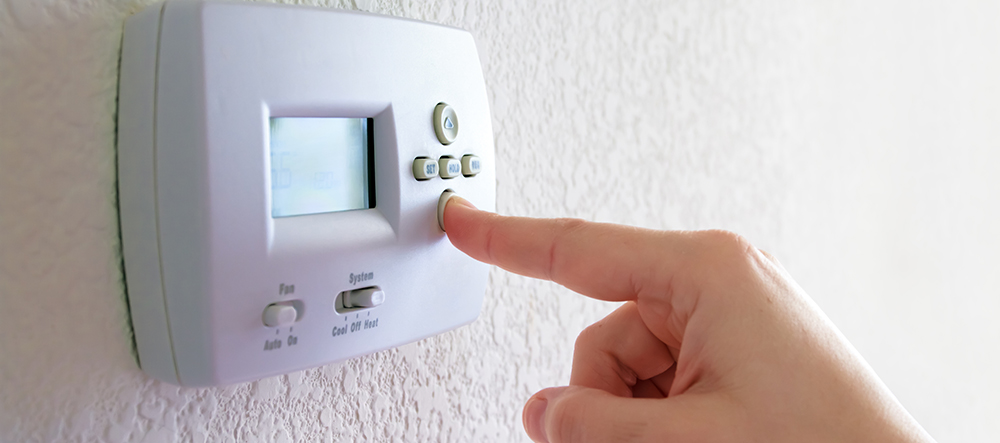
A manual thermostat can work, but you have to remember it every day. That is where people fail. A programmable thermostat is like a slow cooker for your heating schedule: set it once, let it do the boring work, and stop fussing with the controls every hour.
For most homes, a basic schedule looks like this:
- 6:30 a.m.: raise to 68 before the household wakes up.
- 8:30 a.m.: lower to 60 after everyone leaves.
- 5:00 p.m.: raise to 68 before people return.
- 10:30 p.m.: lower to 62 for sleep.
Smart thermostats add remote control, occupancy sensing, and energy reports. Some also learn your routine. I like the data more than the gimmicks. If the app shows long run times during recovery, you can narrow the setback or start recovery earlier.
Pro tip: do not keep overriding the schedule
Constant overrides eat savings. If you keep tapping the thermostat up, your schedule is too aggressive. Raise the setback temperature by 1 or 2 degrees and test again for a week.
When Thermostat Setback Can Backfire
Thermostat setback is solid advice, but it is not universal. Some homes need a lighter touch.
- Heat pump homes: avoid large setbacks unless your thermostat handles recovery well.
- Poorly insulated homes: rooms may cool too fast and feel damp or uncomfortable.
- Homes with older adults, infants, or medical needs: comfort and safety come first.
- Risk of frozen pipes: basements, crawl spaces, and exterior-wall plumbing need extra caution.
- Pets: most healthy dogs and cats tolerate cooler temperatures, but age, breed, and health matter.
Look, saving $12 is not worth a burst pipe or a bad night for someone with health concerns. Use common sense. If one bedroom sits over a garage and drops like a stone, solve that draft problem before chasing deeper setbacks.
How to Test Your Thermostat Setback Savings
You do not need a lab. You need a simple comparison and a little patience.
- Pick a baseline week. Keep your normal thermostat settings and record outdoor temperatures if you can.
- Run a setback week. Use the same daily routine, but lower the thermostat for sleep or away hours.
- Check utility data. Many gas and electric utilities show daily usage online.
- Compare similar days. A 20-degree day and a 45-degree day are not fair twins.
- Adjust. If comfort suffers, raise the setback temperature slightly.
For gas heat, look at therms. For electric heat, check kilowatt-hours. For oil or propane, track deliveries over a longer period because tank fills make short tests messy.
Thermostat Setback Works Better With Basic Air Sealing
If your home leaks air, setback still helps, but you are leaving money on the table. Start with cheap fixes before pricing a major insulation job.
- Add weatherstripping to loose exterior doors.
- Use caulk around window trim and gaps where pipes enter walls.
- Close the fireplace damper when the fireplace is not in use.
- Replace a dirty furnace filter so airflow stays steady.
- Open curtains on sunny winter days, then close them after sunset.
These moves are not glamorous. They work anyway. A tighter home holds heat longer, which makes every setback period more productive and every recovery period less annoying.
Make Thermostat Setback a Habit, Not a Stunt
The best plan is boring enough to repeat. Start with a 3-degree setback for a few nights, then move toward 7 to 10 degrees if the house still feels fine. If you use a smart thermostat, check the energy report after two weeks and look for patterns.
My take after years of reading energy-saving claims: thermostat setback is one of the rare tips that costs little and has credible backing. But the winning move is moderation. Set a schedule, protect comfort, and let the savings build quietly on every cold night.