
Two Child Benefit Cap End: How to Put the Extra £300 to Work
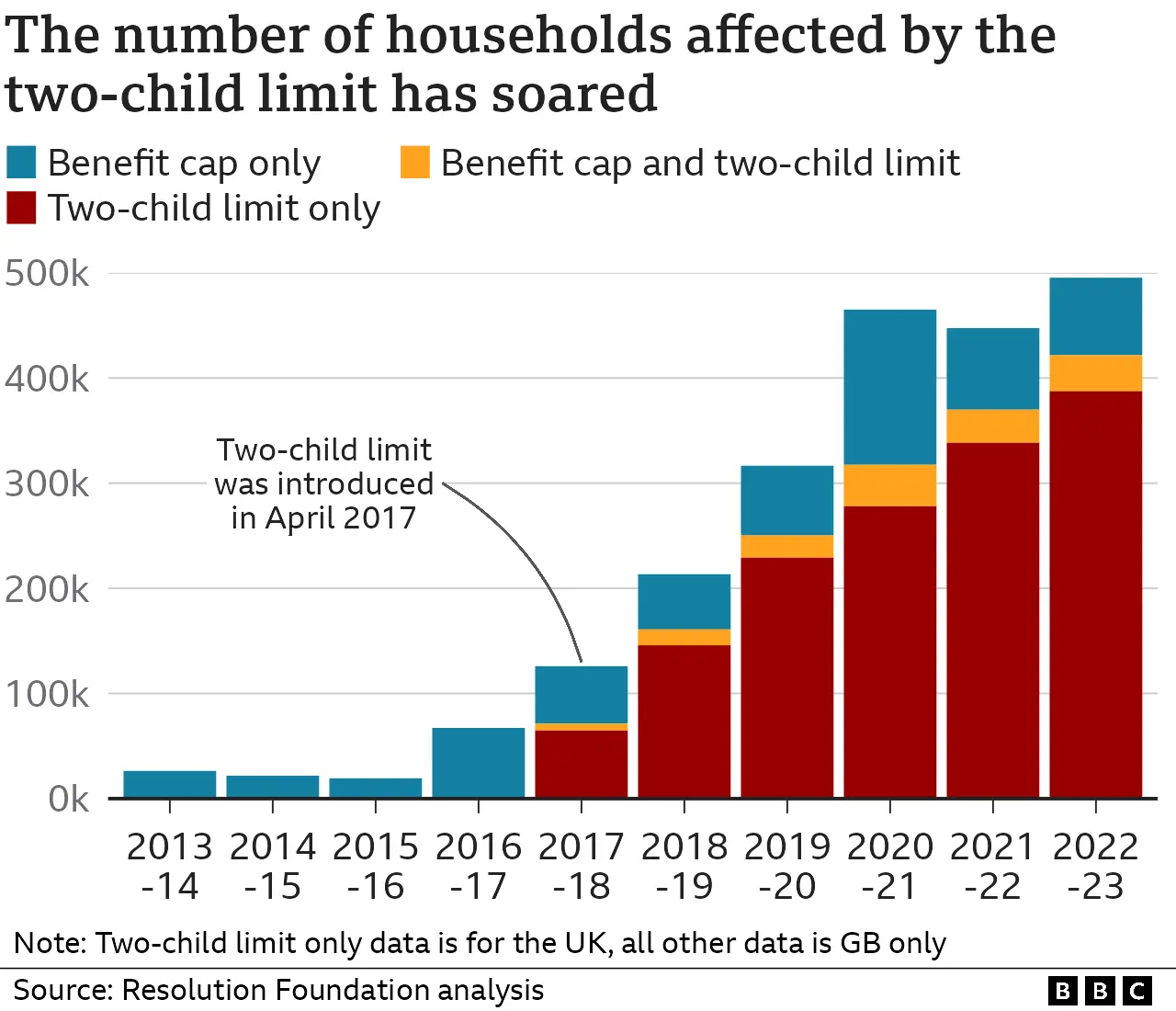
Parents squeezed by rising costs now have fresh breathing room because the two child benefit cap is ending, and that mainKeyword shift could put roughly £300 a month back into tight budgets. The timing matters because food inflation still lingers, energy bills are volatile, and rent climbs each quarter. You cannot afford to let this cash dribble away. Use it with intention, track the results, and guard against new expenses eating the gain. I have covered social policy for years, and every time a benefit change lands, some households thrive while others miss out for lack of a plan. This change should not be one of those misses.
What to do first
- Confirm eligibility and payment timing so you know when the extra £300 starts.
- Ring-fence the new income in a separate account to avoid accidental spending.
- List high-interest debts and target them with the first payments.
- Set a simple rule: 50% to essentials, 30% to debt, 20% to savings, then adjust.
How the two child benefit cap change affects your budget
The headline looks simple: an extra £300 a month. In practice, the effect depends on your existing benefit mix, tax position, and childcare costs. Think of it like swapping a midfielder for a striker in football. The move only works if the rest of the team knows the play. Map your monthly inflows and outflows so this money lands where it has the most impact.
This cash is not a windfall.
“Ending the cap is a lifeline only if families channel the funds toward stability, not new commitments.”
Ask yourself a blunt question: where should you direct the extra cash first?
Priorities that beat lifestyle creep
- Wipe expensive debt: If a credit card runs at 25% APR, allocating even £100 cuts interest fast.
- Build a cash buffer: Aim for one month of expenses. Even £50 a month stacks up over a year.
- Lock in essentials: Prepay energy or railcards where discounts exist.
- Childcare strategy: Use part of the boost to cover wraparound care that enables extra work hours.
Two child benefit cap opportunities and traps
The policy change widens eligibility, but the real gain appears when paired with smart habits. Missing a claim window or failing to report childcare costs can blunt the uplift. Treat the new benefit like a pay rise: adjust direct debits to capture it before daily spending does.
Look, some households will be tempted to upgrade streaming bundles or add takeaway nights. Resist until debts fall and savings rise. The future value of cleared debt beats the short-term buzz of a new subscription.
Practical moves for the next 90 days
- Week 1: Open a second current account. Route the extra payment there to keep it visible.
- Week 2: Call lenders and set overpayments on the priciest balance. Even £75 shifts the balance of interest.
- Week 3: Price-check essentials. Supermarkets still vary, and swapping brands can free another £20 to savings.
- Week 4: Automate a £50 transfer to a savings pot the day the benefit lands.
Why this matters for family finances
Mainstream wages have lagged inflation for years, so benefits now cover gaps once filled by pay. The end of the two child benefit cap arrives as rents in major cities keep climbing. Treat the £300 as a stabilizer against shocks such as boiler repairs or school trips. A family with two kids in primary school can redirect this cash to after-school clubs that free up work time, creating a second-order income gain.
And if you already hold steady finances, consider using part of the uplift for pension top-ups. Future you will thank present you.
Case study: making the uplift count
Take a household with £1,200 in credit card debt at 24% APR and no savings. Redirecting £180 of the extra benefit to the card and £60 to savings leaves £60 for household flexibility. In six months, the debt drops by roughly £1,000, slashing interest, while the savings pot hits £360. That mix reduces stress and improves bargaining power for future bills.
Remember how a cook preps ingredients before the dinner rush? You should prep your accounts before the benefit hits your bank. The smoother the setup, the less chance of impulse spend.
Two child benefit cap FAQs
- How do I know my entitlement? Check your existing claim and confirm the updated rules on the government site.
- Will this affect my tax credits? Report any income changes promptly to avoid overpayments.
- Can the amount change? The headline figure may shift with inflation uprating and policy tweaks, so review each new fiscal year.
- Should I tell my landlord? Only if you need to renegotiate arrears; otherwise keep the buffer for your plan.
Where to look beyond the two child benefit cap
Do not stop at one policy change. Free school meals eligibility, childcare vouchers, and local council hardship funds often sit underused. Combining them with the mainKeyword uplift turns a modest boost into a solid safety net.
Next step for families
I cover fiscal tweaks for a living, and one pattern stays true: households that plan early capture the value. Set your rules now, automate the moves, and track the results each month. Will you let £300 vanish into everyday noise, or will you turn it into breathing space?


