
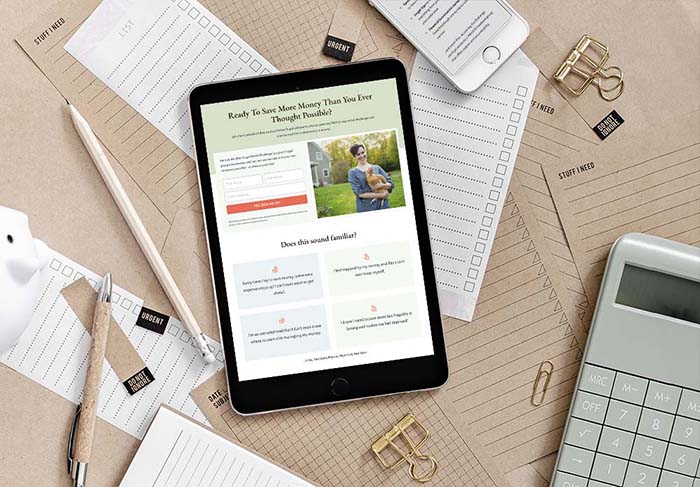
Uber Frugal Month Challenge: Save More Without Burnout
The Uber Frugal Month challenge sounds simple. Spend less for 30 days, then see what changes. But if your budget keeps slipping, a short reset can do what a year of vague promises cannot. Frugalwoods’ annual group challenge gives you a clean window to cut waste, notice habits, and keep the parts of frugality that actually fit your life. That matters now because most budgets fail when they ask for too much, too soon. A focused month gives you room to test one idea at a time, without pretending every expense has to disappear. It also gives you a finish line, which makes the whole thing feel less like punishment and more like a useful experiment. And it is easier to stick with a rule when you know it is temporary. If you want more savings without constant self-denial, this challenge is a solid place to start.
What You Get From Uber Frugal Month
- Faster awareness: You see which purchases happen by habit.
- Lower monthly spend: Small cuts free up cash without changing your whole life.
- Better rules: You learn which limits are realistic and which are fantasy.
- Less decision fatigue: Fewer random purchases mean fewer money arguments in your head.
This is not about proving you can suffer. It is about finding out which expenses are useful and which ones are just friction. The challenge gives you a month-long sandbox, and that is often enough to show a pattern.
Why the Uber Frugal Month Challenge Works
Why do so many frugal plans fade after a week? Because they rely on motivation, and motivation is unreliable. Uber Frugal Month works because it replaces open-ended restraint with a defined sprint. You can commit to 30 days, which feels manageable, and then look at the data instead of your mood.
Best lens: Treat the month like a spending audit, not a moral test.
Small cuts add up when you repeat them for 30 days.
That is why the challenge can reveal more than a bigger budget app ever will. You start to notice the patterns that sit underneath your spending, like boredom, stress, convenience, or social pressure. Once you see those, the fix gets much easier.
How to Do Uber Frugal Month Without Burning Out
Start with a short list. Pick three spending categories that matter most, such as dining out, delivery, and subscriptions. Track a few categories, not every coffee (that kind of micromanagement gets old fast). The point is to create a clean baseline, not a perfect spreadsheet.
- Set one target: Decide what success looks like before day one. A smaller dining budget, fewer impulse purchases, or a pause on online shopping all work.
- Choose your pressure points: Focus on the categories that hurt most. That gives you the biggest return for the least effort.
- Plan replacements: If takeout is your weak spot, stock quick meals. If delivery apps eat your cash, delete them for the month.
- Review weekly: Check your progress once a week and adjust if needed. A quick review keeps the challenge useful instead of punishing.
If you share money with a partner or family, agree on the rules before the month starts. Surprise austerity rarely goes well. A simple check-in once a week keeps the challenge practical instead of dramatic.
Common Mistakes in Uber Frugal Month
- Going too extreme: Cutting every nice thing at once usually backfires.
- Ignoring the household: If other people use the money, they need a say in the plan.
- Tracking everything: Too much detail turns a useful challenge into admin work.
- Calling every slip a failure: One off-plan purchase is data, not disaster.
The best version of the challenge feels boring in a good way. It changes the parts of spending that drain you, and it leaves the rest alone. That balance is the whole point.
How to Keep Uber Frugal Month Going After 30 Days
Do not try to keep every rule. Keep the savings habits that were easiest to maintain, then drop the rest. If you cut restaurant lunches and barely noticed, that is a keeper. If you banned all fun money and spent the month thinking about the ban, that rule was too strict.
Smart move: Turn the month into a filter. Keep what saves money and preserves calm.
Treat the month like a lab test. Which habits improved your life, and which ones just looked disciplined from the outside?


