Used Car Depreciation Sweet Spot: Buy Smarter, Lose Less
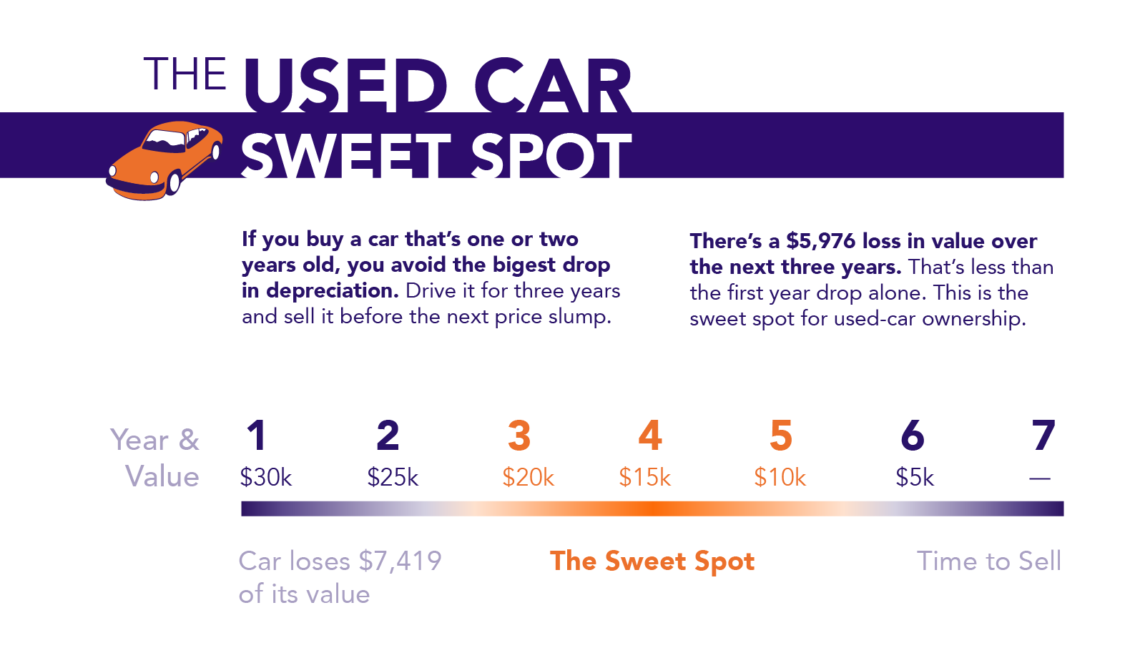
You want a dependable car without watching thousands of dollars vanish the moment you sign the paperwork. That is why the used car depreciation sweet spot matters right now. New car prices remain high, loan rates are still painful for many buyers, and even used cars can carry inflated stickers if you shop without a plan. The goal is simple: buy after the steepest value drop, but before repair bills start eating the savings. Money Crashers makes the same core point in its used car depreciation analysis: timing matters as much as the model you choose. If you understand the age, mileage, and condition range where value levels out, you can keep more cash in your pocket and still drive something safe, clean, and modern.
What to Know Before You Shop
- The strongest value range is often 3 to 5 years old, because the first owner has absorbed the sharpest depreciation.
- Mileage matters as much as age. A 4-year-old car with 45,000 miles can be a better buy than a 2-year-old car with 80,000 miles.
- Reliability history beats badge appeal. A dull Toyota or Honda may protect your wallet better than a flashy luxury model.
- Total cost matters, including insurance, taxes, financing, maintenance, and likely repairs.
What Is the Used Car Depreciation Sweet Spot?
The used car depreciation sweet spot is the point where a vehicle has already taken its biggest drop in market value but still has many good years left. For many mainstream cars, that window lands around year three, four, or five.
Here is the thing. Depreciation is usually steepest in the first few years, then it slows down. Why pay a new-car premium when someone else can take the first hit?
A used car is not automatically a bargain. The bargain appears when age, mileage, condition, and price line up in your favor.
Think of it like buying a cast-iron pan after the first owner seasoned it. You skip the messy break-in period, but you still get years of use if the thing was cared for.
Why the First Three Years Cost So Much
New cars lose value for reasons that have little to do with mechanical failure. The moment a car becomes used, it leaves the new-car market and competes against every similar used model on the lot.
Early depreciation also reflects warranty transfer rules, incentives, model-year changes, and buyer psychology. A 2026 model sounds newer than a 2024 model, even if the older car has low miles and the same safety tech.
That gap is your opening.
Money Crashers points readers toward the idea that buyers can avoid the steepest losses by buying after the early depreciation curve. I agree with that, with one caveat: a cheap used car with poor maintenance records is not a smart buy. It is a repair bill waiting for your driveway.
The Best Age for the Used Car Depreciation Sweet Spot
For most shoppers, the safest target is a vehicle between 3 and 5 years old. At that age, you often get modern safety features, decent fuel economy, and a lower price than the original MSRP.
This range also gives you more financing options than very old cars. Lenders tend to prefer newer used vehicles, and that can mean better loan terms than you would get on a 9-year-old car.
Best bets by buyer type
- Budget commuter: Look for a 4- to 6-year-old compact sedan with a clean title and full service history.
- Family driver: Search for a 3- to 5-year-old SUV or minivan with safety tech, good crash-test ratings, and tires that do not need immediate replacement.
- Low-mileage shopper: Do not overpay for ultra-low miles. A car that sat too much can still have battery, tire, and fluid issues.
- Luxury buyer: Be careful. Depreciation looks tempting, but maintenance on German luxury models can erase the savings fast.
The sweet spot is not one exact year for every car. A reliable 5-year-old Mazda may be a better financial move than a 3-year-old luxury SUV with expensive brakes, tires, and electronic parts.
Mileage Rules for the Used Car Depreciation Sweet Spot
Mileage tells you how much life a car has already given. A common benchmark is 12,000 to 15,000 miles per year, though remote work has made mileage patterns less predictable.
A 4-year-old car with 40,000 to 60,000 miles often sits in a useful zone. It has likely been driven enough to stay healthy, but not so much that major wear items are all due at once.
Watch these mileage traps
- Very high miles on a newer car: This may mean hard highway use, rideshare work, delivery driving, or fleet service.
- Very low miles on an older car: Ask why. Long storage can age rubber parts, tires, batteries, and fluids.
- Milestone maintenance: Timing belts, transmission service, spark plugs, and suspension parts can become expensive around 60,000 to 100,000 miles.
Always compare the asking price with the maintenance calendar. A car priced $1,200 below similar listings is not a win if it needs $2,000 in overdue work next month.
How to Check If a Used Car Is Actually a Good Deal
Start with price guides, but do not stop there. Kelley Blue Book, Edmunds, and dealer listings can show a fair range, yet local supply and vehicle condition can shift the real number.
Pull a vehicle history report and read it like a reporter, not a tourist. You are looking for title brands, accident records, ownership changes, service entries, and mileage gaps (those gaps can speak loudly).
A quick buying checklist
- Compare at least 5 similar listings within 100 miles.
- Ask for service records before you negotiate.
- Check tire age, not just tread depth.
- Get a pre-purchase inspection from an independent mechanic.
- Price insurance before you commit.
- Use the out-the-door price, not the monthly payment, as your anchor.
Dealers love monthly payment talk because it hides the total cost. Keep your eyes on the purchase price, loan rate, fees, and term length.
Where Buyers Get the Used Car Depreciation Sweet Spot Wrong
The most common mistake is chasing the lowest price instead of the best value. A cheaper car with patchy records, mismatched tires, and a vague accident history can turn into a very expensive lesson.
Another mistake is assuming certified pre-owned always means best deal. CPO cars can be worth it if the warranty is strong and the price is fair, but some carry a premium that wipes out much of the depreciation benefit.
Look, I have covered car buying long enough to distrust any deal that only works on paper. If the car feels rough, the seller dodges questions, or the numbers change in the finance office, walk away and sleep fine.
How to Negotiate Without Losing the Deal
Good negotiation starts before you contact the seller. Know the market range, decide your ceiling, and line up financing from a bank or credit union so the dealer cannot control every part of the deal.
Use facts, not drama. Point to comparable listings, needed maintenance, worn tires, missing keys, or accident history, then make a clean offer.
- If the price is fair: Ask for small wins, such as a fee reduction, fresh oil change, or replacement key.
- If the car needs work: Get repair estimates and subtract a realistic amount.
- If the dealer adds fees late: ask for the full buyer order and review every line.
- If you feel rushed: leave. Good cars exist outside that showroom.
Private sellers may move more on price, but you carry more risk. Dealers may offer convenience and financing, yet they often add fees that deserve a hard look.
The Smartest Move From Here
The used car depreciation sweet spot is not a secret formula. It is a buying discipline: target 3 to 5 years old, keep mileage reasonable, verify maintenance, and refuse to let a low monthly payment blur the real price.
If you are shopping this week, build a shortlist of five cars in that range and price them against one another before you test-drive anything. The buyer who does the boring homework usually gets the better car, and that is still the cleanest edge in a messy market.