
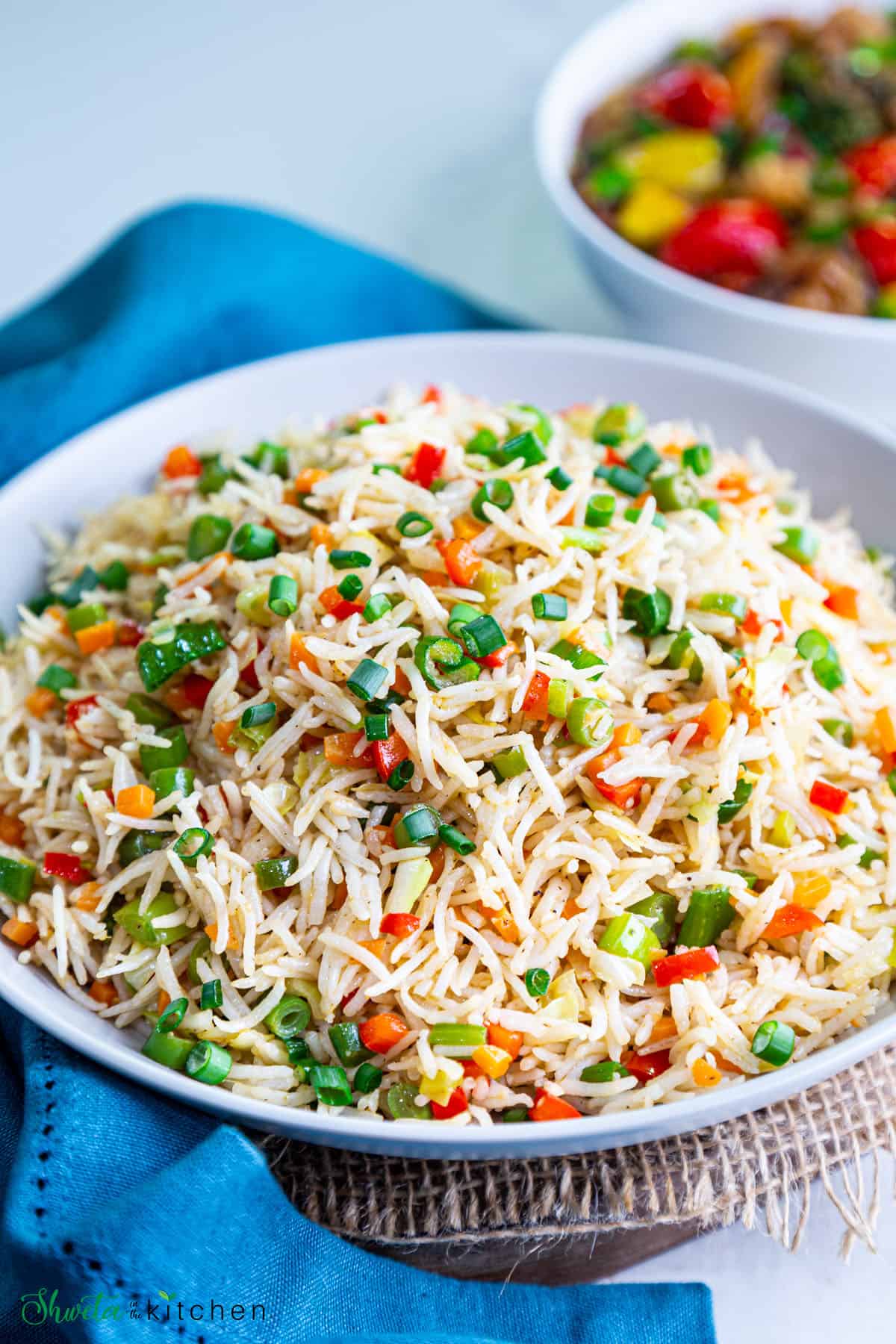
Vegetable Fried Rice: A Cheap Weeknight Fix
You want dinner to be fast, cheap, and worth eating. That is harder than it sounds, especially when the fridge holds random vegetables and a sad container of leftover rice. Vegetable fried rice solves that problem without asking you to buy much or cook for long. It turns scraps into a full meal, and it does it in one pan.
Why does that matter now? Because grocery prices still make simple dinners feel oddly expensive, and takeout adds up fast. A good fried rice recipe gives you control. You decide the salt, the vegetables, the protein, and the cost. That is the whole point. This version works best when you keep the process plain and stay out of the way of the heat. Let the pan do the work.
- Use cold rice for better texture and less sticking.
- Frozen vegetables save time and cut waste.
- Egg adds protein and helps the rice feel complete.
- Low-sodium soy sauce keeps the seasoning in check.
- One skillet is enough for a full dinner.
Why vegetable fried rice works so well
Good fried rice is a timing problem, not a fancy-ingredient problem. Cold rice fries instead of steaming, which gives you separate grains instead of a soggy clump. That is the difference between dinner and a bowl of regret.
The dish also fits the way most home cooks actually eat. You have leftovers. You have a half bag of peas and carrots. You may have a few eggs. Fried rice turns that into something useful, much like a contractor turning leftover lumber into a solid shelf instead of trash.
Budget tip: Fried rice is one of the easiest meals to stretch because rice, eggs, and frozen vegetables are all low-cost staples in most grocery stores.
How to make vegetable fried rice without mess
Start with day-old rice if you can. Fresh rice holds too much moisture and softens in the pan. If you only have fresh rice, spread it on a tray and chill it before cooking. That small move changes the texture fast.
Heat matters next. Use a large skillet or wok and keep the pan hot enough to sizzle when the rice hits it. Stir enough to keep things moving, but not so much that the rice turns mushy. Want crisp edges and better flavor? Give the rice a minute or two between stirs.
- Scramble eggs first, then set them aside.
- Cook onions, garlic, and other firm vegetables.
- Add cold rice and break up any clumps.
- Stir in frozen vegetables and let the moisture cook off.
- Season with soy sauce, salt, pepper, and a little sesame oil if you like it.
- Fold the eggs back in at the end.
And yes, you can keep it simple. A short ingredient list often gives you a cleaner result. There is no prize for overloading the pan.
Vegetable fried rice ingredients that give the best return
Frozen mixed vegetables are the easiest win. They are already chopped, they last longer than fresh produce, and they usually cost less per serving. Peas, carrots, corn, and green beans all work well.
Eggs matter too. They add protein and help the dish feel complete without raising the cost much. If you want more substance, add tofu, leftover chicken, or shrimp. But you do not need extra meat for this to work. That is the point.
For seasoning, soy sauce does most of the heavy lifting. Use a light hand at first. You can always add more, but you cannot pull it back once the rice turns salty. A small splash of rice vinegar or sesame oil can sharpen the flavor, but neither is required.
What makes it taste better than takeout?
Freshness and restraint. Takeout often leans on extra oil and salt. At home, you can control both. The result may be less greasy, and honestly, that is usually a win.
How to keep vegetable fried rice cheap
Look at this meal the way a mechanic looks at an engine. You do not need every shiny part. You need the right parts working together.
Buy rice in larger bags if you cook it often. Keep frozen vegetables on hand. Use store-brand soy sauce. Those small choices add up across a month of dinners, and they matter more than chasing specialty ingredients.
Here are the main ways to keep the cost low:
- Cook extra rice for another meal later in the week.
- Use vegetables that are already in your freezer.
- Skip premium sauces unless you truly taste the difference.
- Use eggs as your main protein when meat is expensive.
One single-sentence paragraph: Cheap dinners should still feel like dinner.
Common mistakes with vegetable fried rice
The biggest mistake is overcrowding the pan. Too much food traps steam, and steam ruins the fried texture. If your skillet is small, cook in batches. That extra step pays off.
Another mistake is using too much sauce too early. Wet rice tastes heavy and loses its bite. Start with less than you think you need. Then adjust at the end.
Do not skip the aromatics either. Onion and garlic add a base layer that makes the whole dish taste finished. Without them, the rice can feel flat, even if the seasoning is fine.
How to adapt vegetable fried rice to your kitchen
The best part of this dish is how little it demands from you. No special gear. No exact vegetable mix. No rigid script.
If you have leftover broccoli, use it. If you have cabbage, that works too. If you want a stronger flavor, add ginger or chili paste. If you need more protein, toss in tofu cubes or an extra egg. The recipe is flexible, which is why it keeps showing up in so many home kitchens.
Fried rice is a good test of whether you understand your own kitchen habits. If you know what stays in your fridge too long, you can turn that waste into dinner.
What to do next
Make vegetable fried rice once with what you already have. Then note what worked. Was the pan hot enough? Did the rice dry out well? Did you need more soy sauce or less? That small feedback loop is what makes this meal a repeat player.
Once you get the rhythm, you can treat it like a weeknight default. So the real question is simple: why order dinner when a skillet, a few eggs, and leftover rice can do the job better?