
Will Roberts Dies After Bone Cancer Battle
Will Roberts has died after battling bone cancer, a loss that brings a hard diagnosis into plain view. Families facing this disease often want the same things fast. Clear information, honest prognosis, and a plan for pain control and treatment options. That matters now because bone cancer can move quickly, and delays can shrink your choices. If you or someone you love is dealing with this diagnosis, you need facts, not vague reassurances. What signs should you watch for? Which treatments actually help? And how do you push for answers when the clock is ticking?
What stands out in the Will Roberts story
- Bone cancer is rare, but it can be aggressive and hard to ignore once symptoms start.
- Persistent bone pain is one of the most common warning signs, especially pain that worsens at night.
- Early imaging and specialist care can change the treatment path.
- Support for pain and mobility matters just as much as the cancer plan itself.
- Families need direct questions ready for doctors, because time can be tight.
Bone cancer signs you should not brush off
Bone cancer can look like a sports injury at first. That is part of the problem. Pain may begin as a dull ache, then grow sharper, more frequent, and harder to relieve with rest.
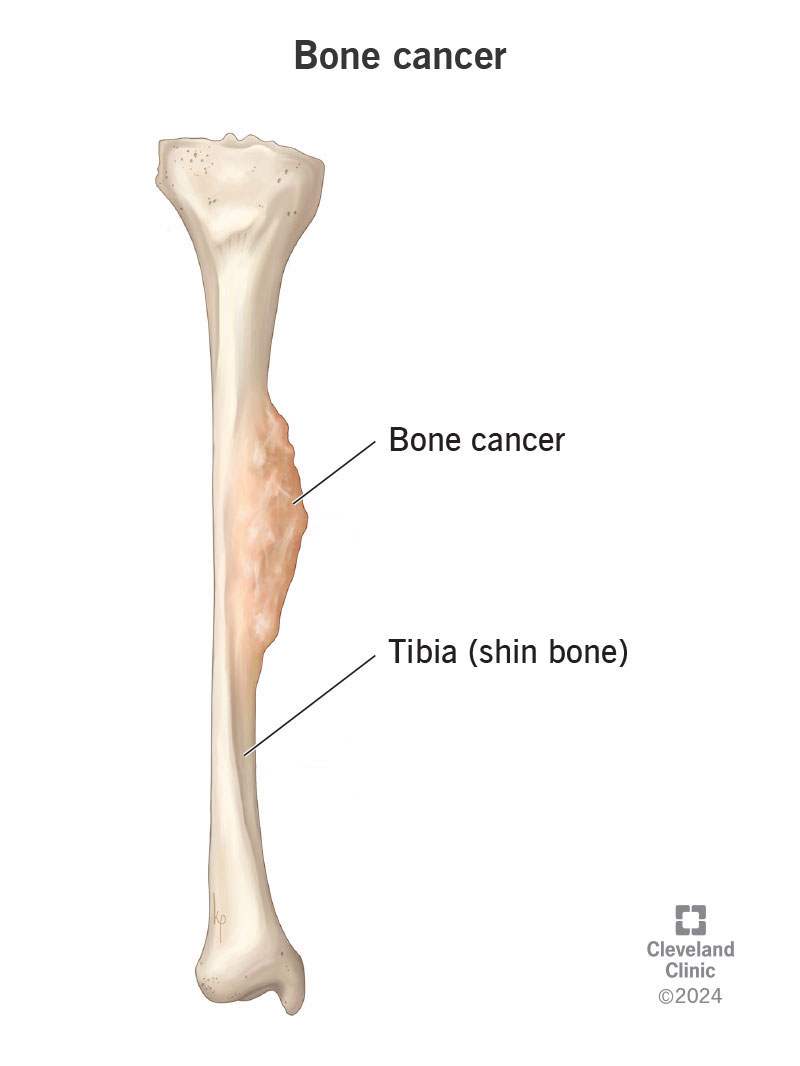
Other signs can include swelling near a bone, a lump, fractures from minor injuries, or unexplained weight loss. The American Cancer Society says symptoms vary by the type and location of the tumor, which is why persistent pain deserves a real workup. If the pain keeps coming back, you should not wait it out.
How doctors usually confirm a bone cancer diagnosis
Doctors often start with X-rays, then use MRI, CT, or bone scans to see how far the problem has spread. A biopsy usually confirms the diagnosis. That step matters because treatment depends on the exact cancer type, such as osteosarcoma, Ewing sarcoma, or chondrosarcoma.
And this is where people can get lost in the shuffle. A general doctor can spot a problem, but a sarcoma specialist can help sort the next move faster. That second opinion is not a luxury. It can be the difference between a narrow and a wider treatment path.
For bone cancer, speed matters, but accuracy matters too. You want the right scan, the right biopsy, and the right specialist before treatment starts.
What treatment can look like for bone cancer
Treatment often includes surgery, chemotherapy, radiation, or a mix of the three. The plan depends on the tumor type, its size, and whether it has spread. Some patients can have limb-sparing surgery. Others need more extensive procedures.
Think of it like fixing a damaged load-bearing wall in a house. You cannot just patch the surface and hope for the best. The team has to know how deep the damage goes before they decide how to rebuild.
- Get a full diagnosis from imaging and biopsy.
- Ask whether a sarcoma center or cancer center should handle the case.
- Review surgery, chemo, and radiation options in plain language.
- Discuss pain control, rehab, and mobility support early.
- Plan follow-up scans so the team can track response.
What families should ask right away about bone cancer
Look, families do not need medical jargon. They need a short list that gets answers. What type of bone cancer is this? Has it spread? What is the goal of treatment, cure, control, or comfort?
Ask about side effects, home care, and what symptoms mean you should call immediately. Ask who owns the case. Ask who to contact after hours. Those questions sound basic, but they cut through a lot of chaos.
Practical questions for the next appointment
- What exact type of bone cancer is it?
- What did the biopsy show?
- Is a specialist center involved?
- What are the main treatment goals?
- How will pain be managed?
- What signs mean we need urgent help?
There is no clean script for news like this. But there is value in moving fast, asking direct questions, and getting the care team aligned before the illness gets more room to run. That is the part that still matters, even after a story like Will Roberts’.
What happens next for people facing this diagnosis?
Bone cancer care is often a race against uncertainty. The next best step is usually simple: get the diagnosis confirmed, get the right specialist, and keep the family loop short and clear. If you are dealing with bone pain that will not go away, what are you waiting for?