
Working Mom Money Hacks That Actually Save Time
You do not need another perfect morning routine. You need systems that reduce the number of tiny money and home decisions hitting you before breakfast. That is why working mom money hacks matter now. Childcare costs remain high, grocery prices still bite, and many families are running two packed calendars with one tired adult acting as air traffic control. A 2017 Forbes Financial Finesse article on working mom life hacks focused on simple ways to lower daily friction, from planning ahead to sharing the load at home. The advice still holds up, but the money angle deserves more attention. Time leaks often become spending leaks. Missed meal plans turn into takeout. Forgotten school forms turn into rush fees. And unmanaged schedules make paid help feel chaotic instead of strategic. Here is how to tighten the system without pretending your week is calm.
What Helps Fast
- Automate repeat money tasks so bills, savings, and subscriptions do not rely on memory.
- Batch household decisions once or twice a week to cut last-minute spending.
- Assign real ownership at home, not vague help.
- Build a backup fund for childcare gaps, school surprises, and work emergencies.
- Track the cost of convenience without shaming yourself for using it.
Working Mom Money Hacks Start With Fewer Decisions
Decision fatigue is expensive. By Thursday night, a tired parent is not comparing unit prices or weighing whether the delivery fee is reasonable. She is trying to get dinner on the table before someone melts down, possibly her.
Start by removing repeat choices. Pick two default breakfasts, three emergency dinners, and one grocery day. This sounds basic, but it works like mise en place in a restaurant kitchen. The cook is faster because the ingredients are ready before the heat starts.
The best family finance system is the one that still works when everyone is tired.
Use a shared grocery list app, or go old school with a magnetic notepad. The tool matters less than the habit. If the list is always in one place, you stop buying duplicate ketchup and missing the one thing your kid needs for lunch.
Working Mom Money Hacks for the Weekly Budget
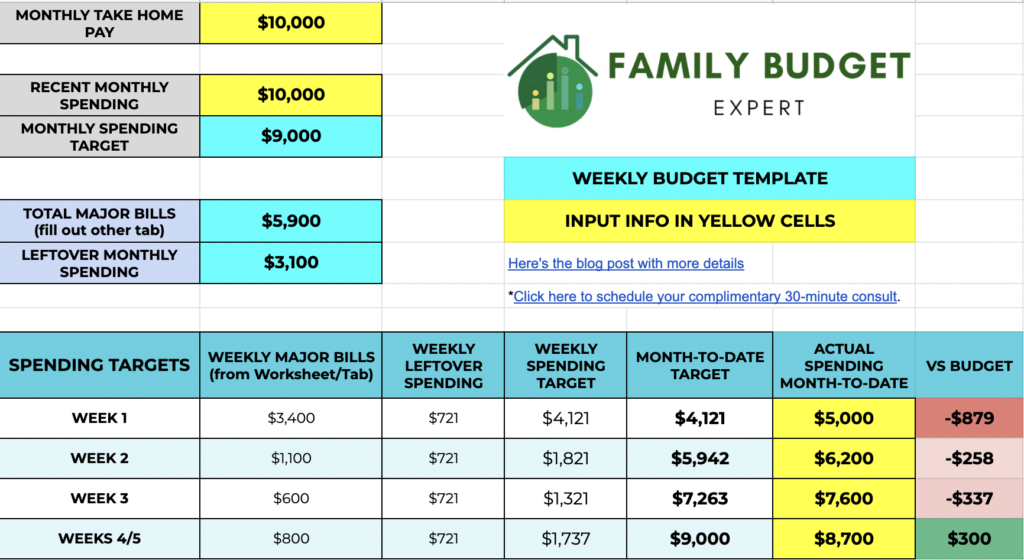
A weekly budget beats a monthly budget for many working parents. Monthly plans look tidy on paper, then a school fundraiser, birthday gift, prescription, and soccer snack duty hit in the same five-day stretch. Weekly review gives you a smaller target.
Set 20 minutes on Sunday or Monday. Look at your bank balance, upcoming bills, calendar, and meals. Then make three calls: what must be paid, what can wait, and what needs cash set aside now.
- Check automatic payments due in the next seven days.
- Review school, childcare, and activity costs on the calendar.
- Move money into savings for known costs, even if it is only $15.
- Choose which convenience spending is worth it this week.
That last step is where I see families get honest. A delivered grocery order may save two hours and prevent $60 in takeout. That is not failure. That is a trade.
Stop Treating Backup Care Like a Surprise
Childcare gaps are not rare events. Sick days, school holidays, weather closures, and caregiver conflicts happen often enough that they deserve their own line in your budget. Why should your brain have to solve the same emergency again and again?
Build a small backup-care fund before you build a perfect emergency fund. Start with one day of coverage, then aim for three. If paid backup care is not realistic, make a written swap plan with another parent, relative, or neighbor (yes, written, because memory gets slippery under stress).
That is the trap.
Many families wait until the crisis hits, then pay the highest possible price in money, work stress, and guilt. A simple backup list turns panic into a process. Keep names, rates, availability, school pickup rules, and allergy details in one shared note.
Split the Mental Load With Receipts, Not Vibes
The Forbes piece points to a truth many working moms know too well: life gets easier when tasks are planned and shared. But shared does not mean one person delegates every detail. That is still management work.
Use ownership zones. One adult owns school lunches. Another owns car maintenance. Someone owns birthday gifts, summer camp forms, or prescription refills. Ownership means planning, buying, scheduling, and follow-through.
- Weak handoff: Can you help with dinner this week?
- Strong handoff: You own Tuesday and Thursday dinner. Budget is $35 total. Leftovers count.
- Weak handoff: We need to save more.
- Strong handoff: You move $50 to the childcare backup fund every payday.
Money friction drops when no one has to ask 11 follow-up questions. I have covered workplace and personal finance for years, and this is where the hype around productivity apps misses the point. The app cannot fix unclear responsibility.
Make Convenience Spending a Planned Tool
Convenience spending gets judged hard, especially for mothers. Takeout, grocery delivery, house cleaning, pre-cut vegetables, and paid school lunch can all look wasteful if you view them line by line. Look, some of it is waste. Some of it buys back sanity and protects your work hours.
Create a convenience cap. Maybe it is $75 a week, or $200 a month. Then rank what helps most. If grocery pickup prevents impulse buys, keep it. If three streaming services sit untouched, cut one and move the money to backup care.
The goal is not to squeeze every dollar until your life becomes brittle. The goal is to spend on the pressure points that cost you most when they break. For some families, that is food. For others, it is transportation, laundry, or after-school coverage.
Use Automation, But Audit It
Automation is one of the cleanest working mom money hacks because it protects good intentions from a packed schedule. Set up automatic savings for childcare, holidays, insurance deductibles, and annual fees. Give each savings bucket a plain name so you know why the money exists.
But automation can also hide waste. Subscriptions, app trials, delivery memberships, and kid activity renewals can keep draining money after they stop serving you. Put a 15-minute subscription audit on your calendar every quarter.
- Cancel anything you have not used in 60 days.
- Downgrade plans before you cancel if the service still helps.
- Check family app stores for child-linked subscriptions.
- Review recurring donations and memberships with intention, not autopilot.
This is boring work. It also pays better than most coupon clipping. A family that cuts $45 a month in forgotten charges frees up $540 a year, which can cover a chunk of camp, school clothes, or emergency babysitting.
Build a Simple Sunday Reset
A Sunday reset should not become another unpaid shift. Keep it short. Think of it as checking the foundation before adding another floor to the house.
Set a timer for 30 minutes and cover only the basics: calendar, food, money, and logistics. If you have a partner, do it together. If you are solo parenting, make the process visible to older kids so they learn how family planning actually works.
- Scan the week for late nights, school events, appointments, and deadlines.
- Pick meals around the hardest days, not the fantasy version of the week.
- Move money for known expenses before it gets absorbed elsewhere.
- Choose one thing to outsource, delay, or drop.
That final choice is non-negotiable. A packed week needs subtraction. Otherwise, you are budgeting time and money with fictional numbers.
What I Would Do First
If your household feels stretched, do not start with a giant spreadsheet. Start with the leak you feel every week. For many working moms, that leak is dinner, childcare coverage, or forgotten small expenses.
Pick one fix for the next seven days. Set one automatic transfer. Create one backup-care note. Assign one household category to another adult. Small systems beat heroic effort because they keep working after motivation fades.
The next useful step is simple: look at your calendar before you look at your budget, because your spending is already hiding there.