Bank Account Fees: How to Cut Them Fast
You may not notice bank account fees until they start nibbling at your balance every month. A maintenance charge here, an out-of-network ATM fee there, and suddenly your checking account costs more than your phone storage plan. That matters now because higher rates and tighter bank margins have made fee income harder for banks to ignore. The Banker has tracked how banks are adapting to pressure across the sector, and customers should assume pricing will stay under the microscope.
Here’s the thing. You do not need to become a banking expert to stop overpaying. You need to know which fees are negotiable, which ones are avoidable, and when a cleaner account is worth the switch. Why pay for basic access to your own money?
What to Fix First
- Check monthly maintenance fees first. They are predictable, so they are easy to cut.
- Watch overdraft settings. One mistake can cost more than a year of account interest.
- Use your bank’s ATM map. A two-minute check can prevent repeat charges.
- Compare credit unions and online banks. Many still offer low-fee checking.
- Ask for a waiver. Banks often reverse occasional fees if your account history is solid.
Why Bank Account Fees Keep Showing Up
Banks earn money in several ways. They collect interest on loans, earn spread income, charge service fees, and sell add-on products. When one revenue line gets squeezed, another often gets more attention.
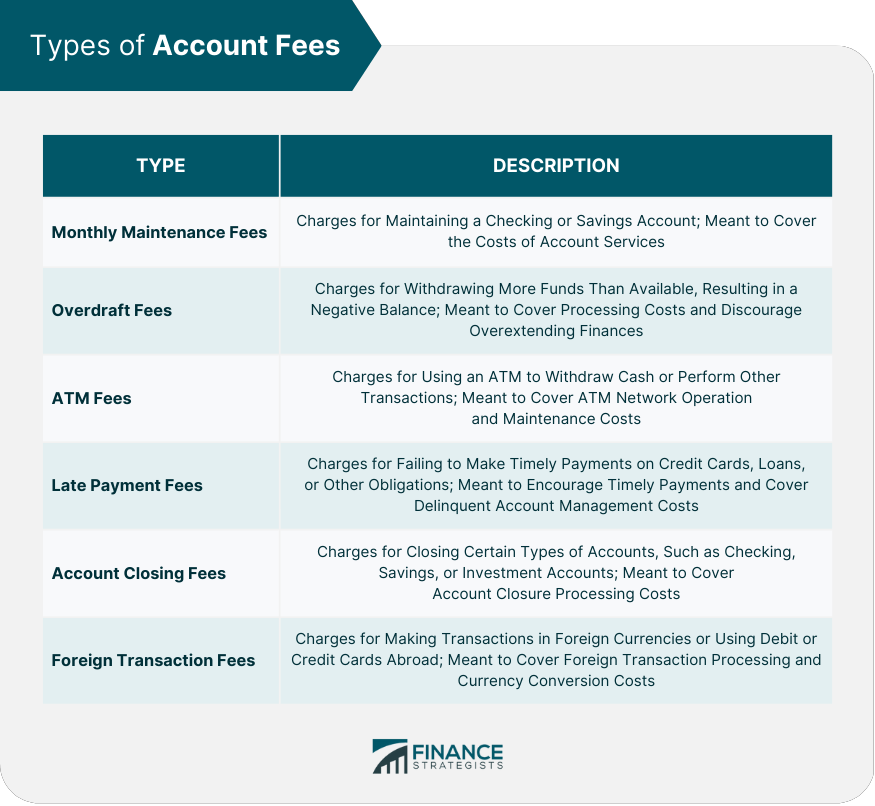
For everyday customers, that shows up as monthly service charges, paper statement fees, overdraft charges, wire fees, replacement card fees, and ATM costs. Some are fair payment for a real service. Others feel like toll booths placed on routine banking.
The best bank account is not always the one with the highest sign-up bonus. It is the one that stays cheap after the promotion ends.
How to Audit Bank Account Fees in 15 Minutes
Start with your last three monthly statements. Do not skim. Search for words like fee, charge, service, overdraft, transfer, ATM, statement, and maintenance.
Then make a short list. Put the fee amount beside the reason. If the bank does not explain the charge clearly, that is useful information too.
- Open your checking and savings statements.
- Circle every charge that is not a purchase, bill payment, or transfer you made.
- Add the fees for the past three months.
- Multiply by four to estimate your annual cost.
- Decide which fees you can remove this week.
Small leaks still drain the bucket.
I have reviewed enough consumer bank accounts over the years to know the pattern. Most people do not have one giant fee problem. They have a cluster of tiny, boring charges that survive because no one questions them.
Bank Account Fees You Can Usually Avoid
Monthly maintenance fees
This is the first fee to challenge. Many banks waive it if you keep a minimum balance, receive direct deposit, use a debit card a set number of times, or meet an age-based requirement. Students, seniors, and military customers often qualify for special account types.
Be careful with minimum balance rules. If you must keep $1,500 sitting in a checking account that earns almost nothing, that account still has a cost. It is like reserving a seat at a restaurant and paying even when you do not eat.
Overdraft fees
Overdraft charges are the fee category that can sting fastest. The Consumer Financial Protection Bureau has pushed banks on overdraft practices for years, and many large banks have reduced or changed these charges. Still, you should not assume your account is protected.
Open your app and check your overdraft choice. If you rarely need overdraft coverage, consider opting out for debit card purchases. A declined transaction is annoying. A stack of fees is worse.
ATM fees
Out-of-network ATM fees often come in pairs. The ATM owner charges you, then your own bank may charge another fee. That can turn a $40 withdrawal into a $46 mistake.
Use your bank’s locator before you withdraw cash. If you travel often, look for an account that reimburses ATM fees or belongs to a large network such as Allpoint, MoneyPass, or CO-OP.
Paper statement fees
Some banks charge for mailed statements. If you are comfortable with online banking, switch to e-statements. Download your statements each month if you want your own record.
How to Ask Your Bank to Remove a Fee
Do not overcomplicate the call. Banks handle fee requests all day. Your odds improve if the charge is rare, your account is in good standing, and you ask clearly.
Use plain language: “I noticed a $35 overdraft fee on my account. This is not typical for me. Can you reverse it as a courtesy?” Then stop talking. Let the representative check.
If the answer is no, ask whether another account type would prevent the same fee. You are not begging. You are pricing a service you already pay for.
- Call within a few days of the fee posting.
- Mention your account history if it helps.
- Ask for a one-time courtesy reversal.
- Request a lower-fee account option.
- Move your money if the bank will not compete.
When Switching Banks Makes Sense
Switching banks is not fun. Direct deposit, bill pay, payment apps, and linked accounts make it feel like rewiring a kitchen. But if your bank charges you every month for ordinary use, the hassle may be worth it.
Look for a checking account with no monthly maintenance fee, a broad ATM network, clear overdraft rules, mobile check deposit, and live support that fits how you bank. Online banks can be strong on fees, while credit unions may offer better local service.
Do not chase a bonus without reading the account terms. A $200 bonus can disappear if the account later charges $12 a month and requires balance gymnastics.
Bank Account Fees and Your Money Habits
Fees often point to a habit problem, not just a bank problem. If overdrafts keep happening, build a small checking buffer. Even $100 can prevent an ugly chain reaction.
If ATM fees keep showing up, plan cash withdrawals once a week. If maintenance fees keep landing, automate direct deposit or switch account types. The fix is usually simple, but it has to match how you actually live.
Honestly, the cleanest setup is boring: one low-fee checking account, one savings account with a competitive rate, automatic alerts, and no tolerance for mystery charges. Boring saves money.
Your Next Move
Open your latest statement and total every fee from the past 90 days. If the number bothers you, call your bank today and ask for a reversal or a better account. If they will not budge, compare three alternatives before your next paycheck lands.
Banks count on customer friction. You can count right back.