The Meaning of Wealth Is Changing
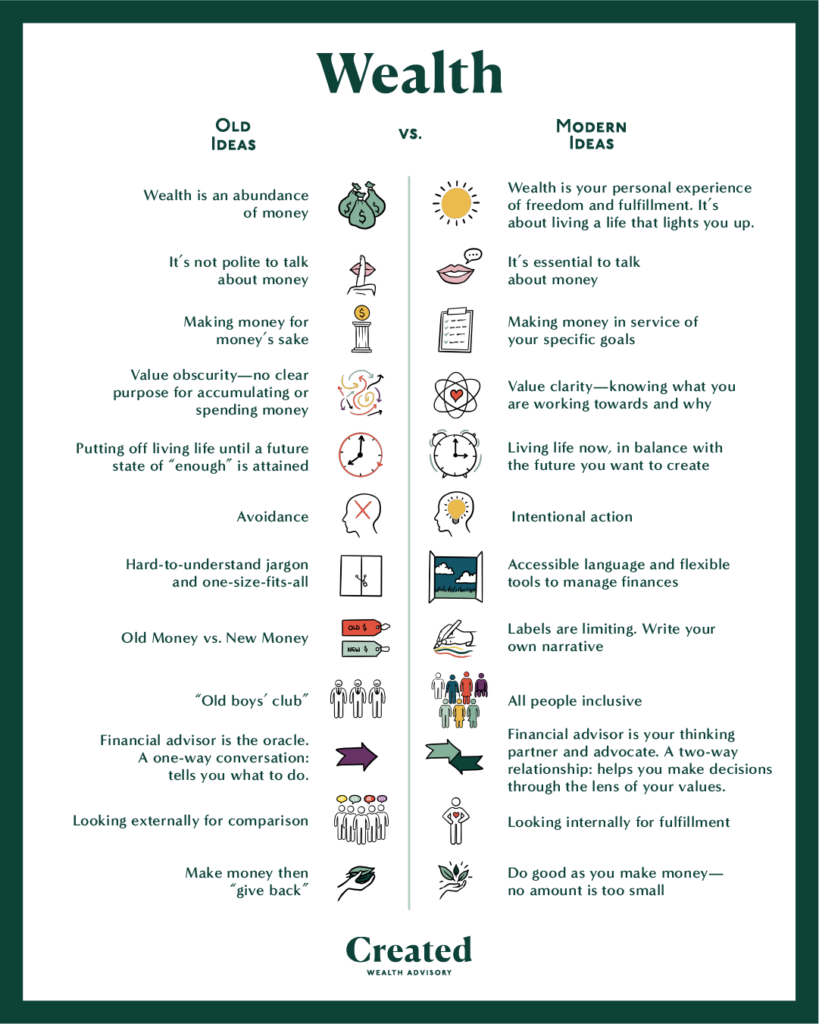
You may have a decent income, a pension, and some savings, yet still feel unsure about whether you are wealthy. That tension explains why the meaning of wealth is changing now. Rising living costs, longer lifespans, housing pressure, and unstable work patterns have made the old version of wealth feel incomplete. A big number in an account matters, but it does not answer the question people ask at the kitchen table: can I live well without constant money stress? The Financial Times partner content from HSBC UK points to this shift in how people define a richer life. I have covered personal finance for years, and the pattern is clear. More readers now want security, time, choice, and health baked into their money plans, not treated as soft extras.
What Stands Out
- Wealth now includes control over your time, not only assets and income.
- Financial security has become more personal because inflation, rent, and care costs hit households in uneven ways.
- Health, family support, and peace of mind belong in your wealth plan.
- A stronger plan starts with defining what enough looks like for you.
Why the Meaning of Wealth Is Changing
The old definition was simple: more money meant more wealth. That still has some truth, but it misses too much of real life.
A person with a high salary and no spare time may feel poorer than someone earning less but living with low debt, flexible work, and a clear retirement path. What good is a larger paycheck if it buys stress by the hour?
There are practical reasons behind the shift. The UK has faced sharp inflation, higher mortgage costs, and a housing market that has stretched younger households, while older households often worry about care costs and whether their pension will last.
The result is a broader definition. Wealth now looks more like resilience, room to choose, and the ability to absorb shocks without wrecking your life.
A richer life is not measured by one number alone. It is measured by how well your money supports the life you actually want to live.
The Meaning of Wealth Starts With Security
Security sounds dull until you lose it. Ask anyone who has had a job cut, a boiler failure, or a sudden medical bill, and they will tell you that cash reserves feel very rich in that moment.
For most households, a sensible baseline is an emergency fund. Three months of core expenses is a common target, but the right number depends on your job stability, dependants, rent or mortgage, and health needs.
Think of this like the foundation of a house. You do not show it off to guests, but every smart decision above it depends on it.
- Track your fixed costs, including rent, mortgage, utilities, insurance, food, transport, and debt payments.
- Build a starter buffer of one month of expenses before chasing higher-risk returns.
- Keep emergency money easy to access, separate from everyday spending.
- Review insurance cover for income, life, health, and home risks.
Security is not glamorous. But it gives you options, and options are a form of wealth people often underrate.
Time Is Becoming a Wealth Signal
More people now judge wealth by the amount of life they can reclaim. That does not mean quitting work and moving to a beach, it means having some control over how your days are spent.
Flexible work, childcare choices, shorter commutes, and the ability to take time off for family all have financial value. They may not show up neatly on a balance sheet, but they affect your quality of life every week.
Money is a tool, not the scoreboard.
This is where personal finance advice often becomes too narrow. It tells you to save more and spend less, but it sometimes ignores the trade-off between money, energy, and time.
If an extra promotion adds 15 hours of stress each week, the net gain may be smaller than it looks. Honest planning means weighing the pay rise against health, family, sleep, and future earning power.
Family Support Has Changed the Wealth Equation
Family money now stretches across generations in more visible ways. Parents help adult children with rent deposits, grandparents fund childcare, and middle-aged workers support both children and older relatives.
This creates pressure, even for households that look comfortable from the outside. A strong income can vanish quickly if it is quietly supporting three generations.
You need clear boundaries before emotion takes over. That may sound cold, but vague help can damage your retirement plan and still fail to solve the other person’s problem.
- Set a giving budget. Decide what you can afford each year without raiding long-term savings.
- Choose the form of help. A gift, loan, rent contribution, or one-off payment all create different expectations.
- Protect your own future. Do not sacrifice pension contributions without understanding the long-term cost.
- Talk early. Family finance conversations are easier before a crisis.
Look, this is awkward territory. But silence is expensive, especially in families where everyone assumes someone else has a plan.
Health Belongs in the Meaning of Wealth
Health has become harder to separate from wealth. Long waiting lists, private treatment costs, care fees, and mental strain all shape how financially secure you feel.
That does not mean wealth equals perfect health. It means a useful money plan should account for the cost of staying well, getting help, and protecting income if illness changes your work life.
Start with practical checks. Do you have sick pay, income protection, a will, lasting power of attorney, and enough savings to manage a short spell away from work?
These are not exciting tasks, but they reduce the chance that one bad event turns into a financial mess. And if you have dependants, they are non-negotiable.
How to Apply the Meaning of Wealth to Your Money Plan
A modern wealth plan should start with your version of enough. Without that, you may chase goals that look impressive and feel hollow.
Write down what a richer life would change in practical terms. Maybe it means retiring at 60, working four days a week, helping a child buy a first home, moving closer to family, or sleeping without debt anxiety.
Use a simple wealth audit
- Money: What is your net worth, debt level, savings rate, and pension progress?
- Time: Do you control your schedule, or does money force every decision?
- Security: Could you handle a job loss, illness, or major repair?
- Relationships: Are money expectations clear with your partner, parents, or children?
- Health: Are you funding the habits and cover that keep you functioning?
Then rank each area from one to five. The weakest score tells you where the next pound may do the most good.
For example, if your pension is strong but your emergency savings are thin, extra cash may belong in an easy-access account first. If you have cash but no will, the best next step may be paperwork, not investing.
The Trap: Mistaking Lifestyle for Wealth
Visible spending still fools people. Cars, holidays, watches, and bigger homes can signal income, but they can also hide fragile finances.
I have seen this story for years. The person who looks rich is sometimes one missed bonus away from panic, while the quieter household with automatic savings and low debt has far more freedom.
Lifestyle inflation is the usual culprit. As income rises, fixed costs rise with it, and the margin for choice disappears.
If you want to avoid that trap, keep one rule close: let some of every pay rise improve your balance sheet before it improves your lifestyle. Simple, slightly boring, and effective.
What a Richer Life Looks Like From Here
The meaning of wealth will keep moving because work, housing, retirement, and family life keep changing. The useful response is not to reject money goals, it is to make them serve a wider set of human needs.
Start this week with one question: if your finances improved over the next five years, what would you want them to buy besides more stuff?