
Budget Apple Recipes That Stretch Your Grocery Money
Your grocery budget feels tighter when fruit prices jump, snacks vanish fast, and a forgotten bag of apples turns soft in the crisper. That is why budget apple recipes deserve a spot in your weekly plan. Apples are flexible, filling, and forgiving, which makes them useful for breakfast, packed lunches, side dishes, and desserts. Budget Bytes has long been good at this kind of practical cooking, and its apple recipe collection shows how far one everyday ingredient can go. I have covered enough consumer pricing tools and grocery apps to know this: the cheapest ingredient is the one you actually use before it spoils. So what should you make when you have five apples, thirty minutes, and no interest in another sad snack plate?
Smart Ways to Use Apples This Week
- Cook soft apples first in oatmeal, muffins, sauce, or skillet desserts.
- Pair apples with pantry staples like oats, rice, flour, cinnamon, peanut butter, and lentils.
- Use tart apples in savory dishes with pork, cabbage, sausage, beans, or roasted vegetables.
- Batch prep one apple base so you can use it across breakfast, snacks, and dessert.
Why Budget Apple Recipes Work So Well
Apples are not always the lowest-cost fruit by the pound, but they earn their keep because they last longer than berries and need little prep. Stored in the refrigerator, whole apples can often hold for several weeks, which gives you more time to use what you bought.
They also move between sweet and savory dishes without much fuss. Think of apples like a solid bench player in basketball: they may not be the star every night, but they fit into almost any lineup and make the rest of the meal work better.
Budget cooking is less about the one cheapest recipe and more about reducing throwaways. If apples help you turn oats, leftover bread, or a half bag of cabbage into a meal, they are doing real work.
Best Budget Apple Recipes for Breakfast
Breakfast is the easiest place to save money with apples because the supporting cast is cheap. Oats, eggs, flour, yogurt, and peanut butter all stretch well, and apples add sweetness without pushing you toward pricier packaged options.
Apple cinnamon oatmeal
Dice one apple and simmer it with oats, cinnamon, a pinch of salt, and water or milk. Add peanut butter if you need more staying power, or stir in raisins if the pantry has them.
This is also where soft apples shine. Once cooked, nobody cares if the texture was a little mealy before it hit the pot.
Apple pancakes or waffles
Grated apple works well in pancake batter because it spreads flavor through the whole batch. Use a box mix if that is what you have, then add cinnamon and a splash of vanilla.
Freeze extras between pieces of parchment (or cut-up cereal box liners if you are thrifty and careful). Reheat them in a toaster for faster school mornings.
Yogurt bowls with cooked apples
Cook chopped apples with cinnamon and a spoonful of water until tender, then chill them. Spoon over plain yogurt with oats or granola for a cheaper spin on fruit-on-the-bottom cups.
This is a small move, but it can cut down on single-serve snack spending. And the flavor is usually better than the supermarket version.
Budget Apple Recipes for Lunch and Dinner
Here is where people get too narrow. Apples are not only dessert food, and treating them that way leaves money on the table.
The trick is balance. Add apples where a dish needs crunch, mild sweetness, or a sharp contrast to salty ingredients.
Apple cabbage slaw
Shred cabbage, slice apples thin, and toss with vinegar, a little oil, salt, pepper, and a pinch of sugar. This slaw works with sandwiches, roasted chicken, sausages, bean bowls, or tacos.
Cabbage is one of the best budget vegetables around, and apples keep it from tasting flat. Make the dressing sharper than you think, since the apple will soften it.
Chicken, apple, and rice skillet
Use leftover cooked rice, diced chicken, onion, apple, and a basic seasoning mix. A little broth pulls it together, while the apple adds moisture and sweetness.
If chicken is too pricey that week, use sausage slices, chickpeas, or white beans. The point is not to copy a restaurant dish, it is to build a filling dinner from what is already in your kitchen.
Grilled cheese with apple
Thin apple slices inside grilled cheese sound fancier than they are. Use cheddar if you have it, but American cheese works too.
Add mustard for adults, skip it for picky eaters, and serve with soup. Cheap, fast, done.
Cheap Apple Desserts That Do Not Feel Like a Compromise
Dessert is where apples can save a weeknight. You do not need a bakery box when you have flour, oats, sugar, butter or oil, and a few apples.
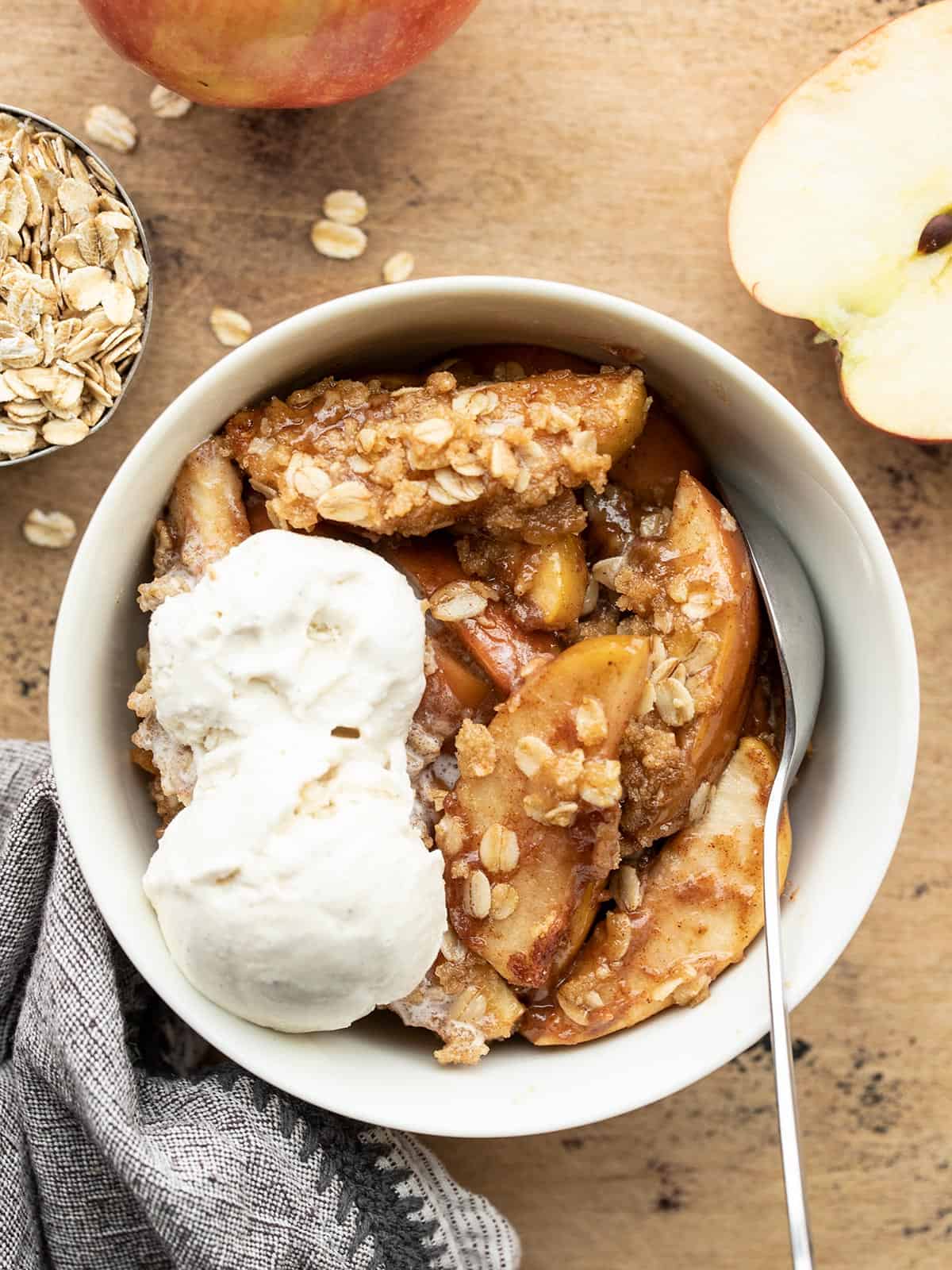
Apple crisp
Apple crisp is the budget dessert I would defend in any room. Slice apples, toss with sugar and cinnamon, then top with oats, flour, butter, and a little more sugar.
Use less sugar if your apples are sweet, or add lemon juice if they taste dull. Serve it plain, because ice cream is nice but not required.
Baked apples
Core apples and fill them with oats, brown sugar, cinnamon, and a small amount of butter. Bake until tender, then spoon the juices back over the top.
This works well when you only have two or three apples left. It also looks more planned than it is, which is useful when you need a low-cost dessert for guests.
Apple bread pudding
Stale bread is not trash if you have apples and eggs. Cube the bread, add chopped apples, pour over a simple custard, then bake until set.
Use cinnamon, nutmeg, or a little orange zest if you have it. If not, sugar and vanilla will carry the dish.
How to Shop for Budget Apple Recipes
Apple prices vary by region, season, and variety, so do not shop on autopilot. The U.S. Department of Agriculture tracks retail fruit prices, and apples often shift based on harvest timing, storage, and variety demand.
- Buy bags instead of singles when the per-pound price is lower and you can use them in time.
- Choose store-brand or local varieties over premium names if you are cooking them.
- Check the clearance rack for apples meant for baking, sauce, or oatmeal.
- Store apples cold and away from delicate produce that ripens fast.
- Plan one fresh use and one cooked use for every bag you buy.
For cooking, you do not need the prettiest apple in the bin. Firm texture matters more than a shiny skin, especially for crisps, slaws, and skillets.
Build a No-Waste Apple Plan
If you buy a three-pound bag, assign jobs before the week gets messy. Two apples can go into lunches, two can become oatmeal or pancakes, and the rest can land in a slaw, crisp, or baked dish.
That small plan beats vague optimism every time. I have tested enough budgeting apps to know that reminders help, but a visible bowl and a written meal idea on the fridge work better for most households.
- Freshest apples: lunch boxes, salads, slaws, snack plates.
- Slightly soft apples: oatmeal, muffins, pancakes, quick bread.
- Bruised apples: sauce, crisp, baked apples, bread pudding.
What to Cook Next
Start with one recipe that uses ingredients you already own. If you have oats, make apple crisp or oatmeal, and if you have cabbage, make slaw for two meals.
Budget Bytes is right to keep apples in regular rotation, because they solve a boring but expensive problem: food you meant to eat but did not. The next time apples go on sale, do not ask whether you need them. Ask what job they will do by Thursday.