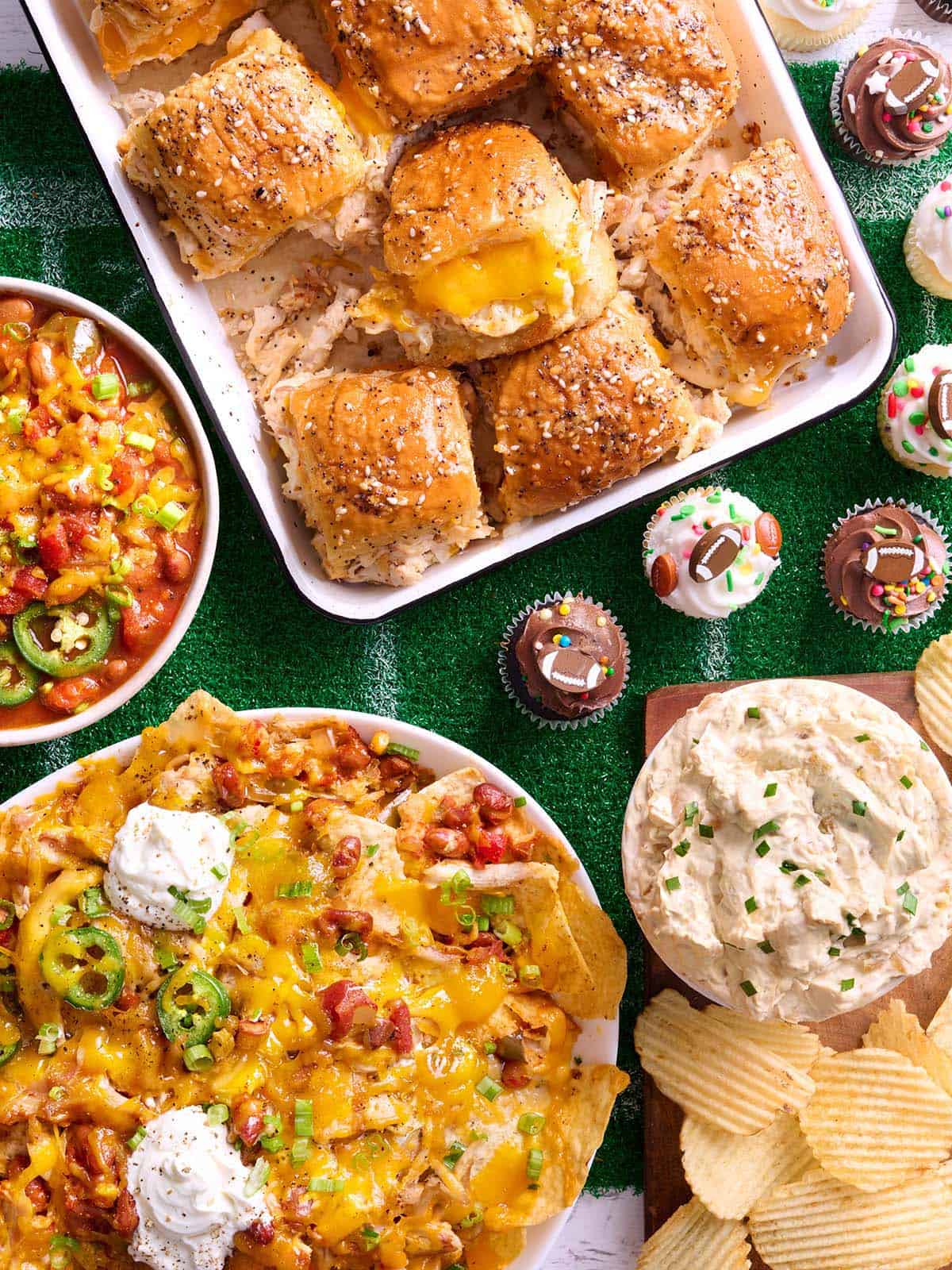
Budget Game Day Food That Feeds a Crowd
Your grocery bill can get ugly fast when friends come over for kickoff. Chips, dips, wings, drinks, and last-minute takeout add up before the first quarter ends. That is why budget game day food deserves a plan, not a panic run to the store. Budget Bytes has long made the case that crowd food can stay cheap if you cook in batches and pick flexible ingredients. Their Game Day for $40 idea is a useful starting point because it treats party food like a menu problem, not a spending contest. The goal is simple. Feed people well, keep the table full, and avoid paying restaurant prices for food that disappears in minutes. You do not need fancy appetizers to do that. You need a strong base, a few big flavors, and a clear stop line for spending.
What Works Best
- Build around filling foods such as beans, potatoes, pasta, rice, tortillas, and ground meat.
- Limit the number of dishes so you do not buy ten ingredients for one small tray.
- Use dips as anchors because they stretch well and make cheap items feel party-ready.
- Skip single-serve snacks unless the unit price beats the family-size option.
- Set a hard budget before you shop, then adjust the menu before checkout.
Why Budget Game Day Food Starts With the Menu
A good game day spread works like a small building project. The base has to carry the weight, then the extras add shape and comfort. If you start with garnish items, imported cheeses, or frozen appetizers, your budget cracks before you have fed anyone.
Look, the expensive part is not always the main dish. It is the pile of extras. Sour cream, shredded cheese, bottled sauces, paper plates, soda, and impulse desserts can double the tab if you treat them as afterthoughts.
Budget Bytes framed its Game Day for $40 menu around low-cost recipes that serve groups, which is the right instinct. A party menu should be judged by cost per serving, not by how impressive each item looks on a tray.
So what should you make first? Pick one hearty centerpiece, two low-cost sides, and one dip. That mix feels full without turning your kitchen into a concession stand.
Budget Game Day Food Ideas That Stretch
The best choices are forgiving. They can sit on a counter for a while, reheat well, and let guests serve themselves. That matters because you should not spend the whole game babysitting a skillet.
Chili, taco meat, or sloppy joe filling
Ground beef gets cheaper when you stretch it with beans, lentils, onions, or rice. Turkey, pork, or a meatless bean chili can also work if the price is better that week. Serve it with buns, tortillas, chips, or baked potatoes so one pot can feed different tastes.
Baked potato bar
Potatoes are one of the most useful party foods in a tight budget. Bake a big tray, then set out chili, shredded cheese, scallions, salsa, and plain yogurt or sour cream. Guests build their own plates, and you avoid guessing who wants what.
Bean dip or queso-style dip
A warm dip can make tortilla chips feel like a meal. Refried beans, salsa, a little cheese, and spices give you a thick base without much cost. Add corn or diced tomatoes if you need more volume.
Sheet-pan nachos
Nachos can be cheap or wildly overpriced. Keep control by using chips as the base, then scatter toppings instead of burying the tray in meat and cheese. Beans, jalapenos, salsa, and a small amount of seasoned meat go far when spread evenly.
Big flavor beats big spending.
How to Keep the Grocery Bill Under Control
You need a shopping plan before you choose recipes. Stores are built to tempt you, especially before major sports weekends. End caps full of chips, wings, soda, and frozen snacks are convenient, but convenience usually charges rent.
- Choose the budget first. If your limit is $40, write it down and include drinks, dips, and disposable items.
- Price the protein early. Meat drives the bill, so check sales before you commit to a menu.
- Use overlapping ingredients. Salsa can work in chili, dip, and nachos. Cheese can top potatoes and tacos.
- Buy store brands. For chips, beans, broth, canned tomatoes, and spices, the name brand often adds little.
- Cut one dish before you shop. If the menu feels too big on paper, it will cost too much in the cart.
Honestly, the easiest mistake is making too many foods that all need their own toppings. A wing platter wants sauce, celery, carrots, dressing, and napkins. Tacos want shells, lettuce, cheese, salsa, sour cream, and maybe guacamole. That is fine if you budget for it, but rough if you discover it at checkout.
A Simple Budget Game Day Food Menu
Here is a practical menu that follows the same spirit as the Budget Bytes approach. Prices vary by city and store, so treat this as a structure rather than a promise. The method matters more than the exact receipt.
- One pot chili: ground meat or lentils, beans, tomatoes, onion, chili powder, and broth.
- Tortilla chips: two large bags, ideally store brand.
- Warm bean dip: refried beans, salsa, a small amount of cheese, and spices.
- Baked potatoes: a 5-pound bag, served with chili or dip toppings.
- One sweet finish: brownies from a boxed mix or a simple cookie tray.
This menu gives people choices without adding much waste. Chili can top potatoes, chips, or stand alone in bowls. Bean dip shares ingredients with the chili, and brownies cover dessert without requiring frosting, fruit, or specialty items.
Would guests rather see six small trays, or would they rather leave full? Most people care more about having enough good food than spotting a restaurant-style spread. That is where home cooks have the edge.
Where to Spend and Where to Cut
Some upgrades are worth it. Others just look good on a shopping list. The trick is knowing which ones guests will actually notice.
Spend on flavor boosters
Buy decent salsa, hot sauce, pickled jalapenos, or a sharp cheese if your budget allows. Small amounts can lift a whole table. A bland cheap menu feels cheap, but a seasoned cheap menu feels intentional.
Cut back on meat
Meat does not need to be the headline in every dish. If you use it, stretch it with beans, rice, potatoes, or pasta. If you skip it, add smoke, spice, acid, and texture so the food still feels satisfying.
Watch drinks closely
Drinks can quietly wreck the budget. Ask guests to bring what they want to drink, then provide water, iced tea, or one low-cost option. This is normal hosting, not a failure.
Use Leftovers Like a Second Meal
A smart game day menu should turn into lunch the next day. Chili becomes burrito filling. Potatoes become hash. Bean dip can go into quesadillas. That matters because a $40 party that also covers two weekday meals is very different from a $40 snack table that ends in the trash.
Food safety still matters, even at a casual party. The USDA advises refrigerating perishable food within two hours, or within one hour if temperatures are above 90 degrees Fahrenheit. Put out smaller portions and refill them from the fridge if the game runs long.
The Better Play
Budget game day food is not about acting cheap. It is about refusing to let one afternoon distort your grocery budget. Start with a filling base, repeat ingredients on purpose, and make the table feel abundant through smart serving, not waste.
If you want a practical next step, pick your main dish before you enter the store and build everything else around it. The cart will tell you whether your plan is real.