
Cordless Reciprocating Saw Deal: How to Buy Without Overpaying
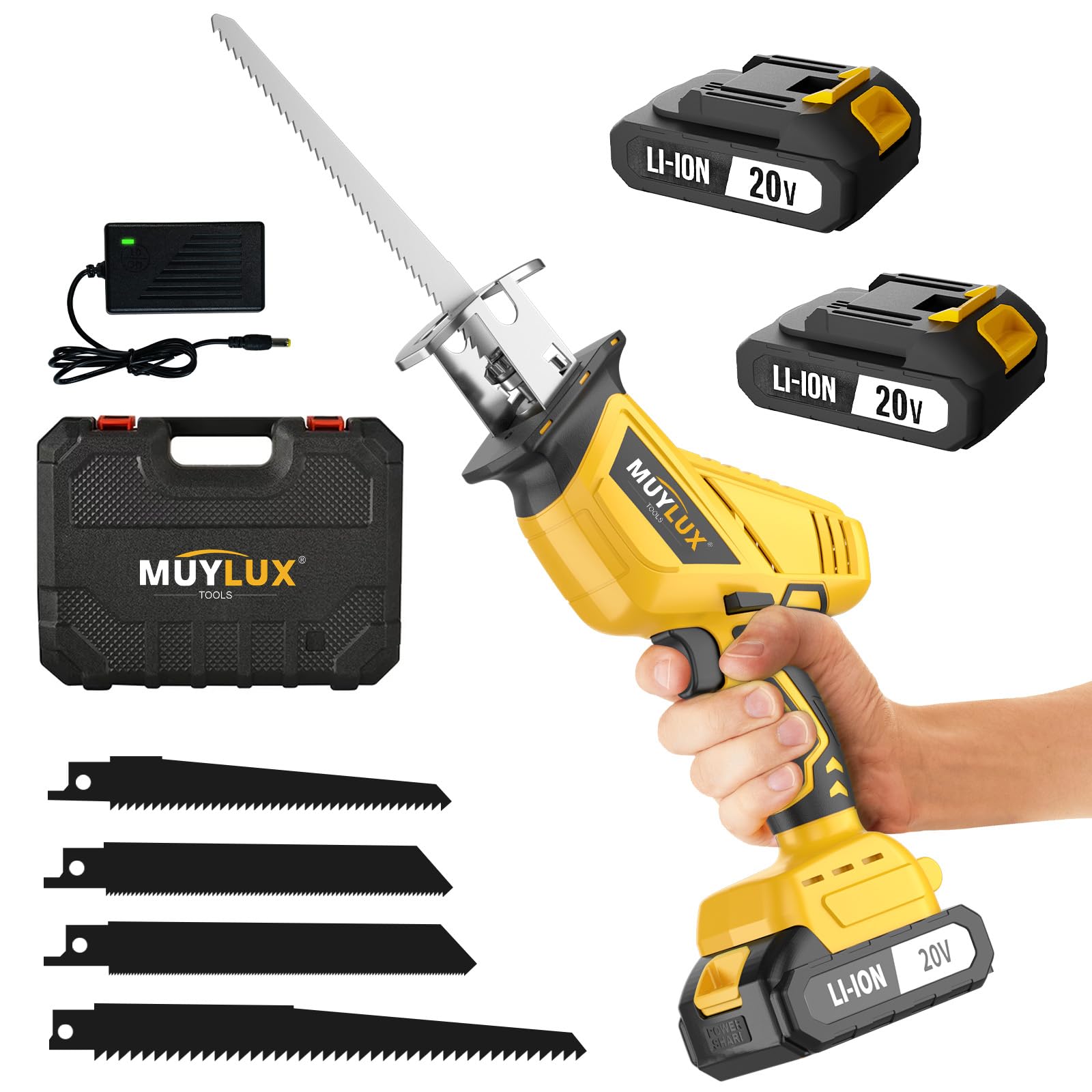
A cordless reciprocating saw deal can look tempting, especially if you have storm cleanup, demo work, pruning, or garage projects waiting. But tool deals are tricky right now because the sticker price rarely tells the full story. Batteries, chargers, blade quality, warranty terms, and brand ecosystem all affect whether you are saving money or buying another half-useful gadget. Money Saving Mom recently flagged a deal on a cordless reciprocating saw, which makes this a good moment to slow down and check what you are actually getting. I have covered consumer tech and hardware sales long enough to know the pattern. The flashy discount gets the click, but the fine print decides the value. If you buy the right saw, it can replace several hand tools for rough cuts. If you buy the wrong one, it sits in the shed after one frustrating Saturday.
What makes this deal worth a look
- Battery inclusion matters. A bare tool can be cheap, then costly once you add a battery and charger.
- Voltage affects performance. For most homeowners, 18V or 20V class tools hit the sweet spot.
- Blade changes should be tool-free. If the saw needs a wrench, skip it unless the price is unusually low.
- Match the saw to your real projects. Pruning branches is different from cutting pipe or tearing out wall studs.
- Check return terms before you buy. Deal prices often move fast, and some third-party sellers have tighter rules.
How to judge a cordless reciprocating saw deal
Start with the kit contents. A true kit usually includes the saw, at least one battery, a charger, and sometimes a starter blade. A bare-tool listing includes the saw only, which is fine if you already own compatible batteries from the same brand.
That is the trap.
Battery platforms are like kitchen cookware sets. Once you buy into one brand, each extra tool gets cheaper because you already own the base pieces. But if this is your first cordless power tool, the battery system may matter more than the saw itself.
“A discount is only useful if it lowers the total cost of the job. If you still need batteries, blades, and safety gear, add those before you call it a win.”
Look beyond the sale price
A low advertised price can hide add-on costs. Replacement blades are normal, but a missing charger is a bigger issue. And if the battery is small, such as 1.5Ah or 2.0Ah, expect shorter runtime during heavy cutting.
For casual DIY work, a compact battery may be enough. For cutting thick branches, pallets, metal pipe, or old framing lumber, you will want more capacity. What good is a cordless saw if you spend half the job waiting for it to charge?
Cordless reciprocating saw deal checklist before you buy
Use this quick checklist before you tap buy. It takes two minutes and can save you from a dud purchase.
- Confirm what is in the box. Look for the saw, battery, charger, blade, manual, and storage bag if listed.
- Check battery compatibility. Make sure the battery works with other tools from the same brand and voltage line.
- Read the warranty terms. A one-year warranty is common on budget tools, while better brands may offer longer coverage.
- Scan recent reviews. Focus on comments about battery life, vibration, blade clamp problems, and trigger control.
- Compare the same model elsewhere. Search the model number, not just the product name.
I put the model number check near the top because retailers love vague listings. “Cordless reciprocating saw” can describe anything from a light pruning tool to a serious demolition saw. The model number cuts through that fog fast.
Who should buy a cordless reciprocating saw deal?
This tool makes sense if you do rough cutting, not precision finish work. It is useful for trimming branches, cutting PVC, breaking down old furniture, slicing through nails in wood, and removing damaged boards. Think of it as the power tool version of a utility player in baseball, not the star pitcher.
You probably do not need one if your projects are limited to picture hanging, light assembly, or small craft cuts. A jigsaw, hand saw, or oscillating multi-tool may be better for controlled work. Reciprocating saws are aggressive by design.
Best projects for homeowners
- Cutting branches after yard cleanup
- Breaking down pallets or scrap lumber
- Removing old fence sections
- Cutting plastic pipe during minor repairs
- Demo work during bathroom, deck, or shed projects
Blade choice matters here. A wood blade chews through branches and lumber, while a bi-metal blade handles nails and thin metal. Pruning blades have deeper teeth and can make yard work much faster.
Cordless reciprocating saw deal red flags
Some deals deserve a hard pass. If the listing hides the battery specs, uses unclear brand names, or skips warranty information, keep looking. Tool deals should make the important details easy to find.
Be careful with bundles that include many accessories but only one weak battery. Twenty cheap blades do not make up for a motor that stalls or a battery that fades after a few cuts. I would rather have one solid saw and three useful blades than a bloated bundle full of filler.
Watch for these deal problems
- No battery or charger included, unless clearly sold as a bare tool
- No listed voltage or amp-hour rating
- Poor recent reviews about overheating or blade clamp failure
- Unclear seller name or return policy
- Oddly inflated “regular price” that makes the discount look larger
How this cordless reciprocating saw deal fits your budget
A tool deal is only a saving if it prevents higher costs later. If you can handle small demo work, storm cleanup, or basic repairs yourself, a reciprocating saw may pay for itself quickly. Hiring out small jobs can cost far more than an entry-level cordless saw kit.
Still, do not buy because the discount feels urgent. If the saw does not fit your projects or battery platform, wait. Deal sites such as Money Saving Mom are useful for spotting price drops, but your job is to judge fit.
“The best tool bargain is boring. It fits your batteries, does the work you actually do, and does not need a pile of extras on day one.”
My practical buying call
If this cordless reciprocating saw deal includes a battery and charger at a strong price, it is worth checking against comparable kits from Ryobi, DeWalt, Milwaukee, Craftsman, Hart, and Black+Decker. If it is a bare tool, only buy if you already own the matching battery platform. That single detail changes the math.
For most households, I would prioritize a reliable midrange kit over the lowest possible price. Look for tool-free blade changes, a comfortable grip, a decent warranty, and enough battery capacity to finish a real job. Cheap is fine. Stranded halfway through cutting up a fallen limb is not.
Buy the tool, not the discount
The smart move is simple. Open the deal, verify the kit contents, compare the model number, and price out any missing battery or charger before you buy. If the total still beats other trusted options, grab it. If not, let the deal pass and keep your cash ready for the next price drop.