Family Budget Meeting Questions That Actually Work
If money talks at home tend to drift into tension, silence, or vague promises, you are not alone. A regular budget check-in can fix that, but only if the conversation is built around the right prompts. These family budget meeting questions help you move from scattered spending to clear decisions, which matters even more when prices, childcare, housing, and savings goals all compete for the same paycheck. I have covered personal finance long enough to know this: most families do not fail because they lack a spreadsheet. They fail because nobody agrees on what matters most, or because the budget lives in one person’s head. A short, honest meeting changes that. And it can do more than trim bills. It can lower stress, prevent repeat mistakes, and make your next money move feel deliberate.
Start here
- Pick a fixed time each week or month so budget talks do not happen only during stress.
- Use questions, not accusations, to spot spending problems and shared goals.
- Focus on three things: what came in, what went out, and what needs to change next.
- Keep a written list of decisions so the meeting leads to action, not just talk.
Why family budget meeting questions matter
A budget meeting is less about math and more about alignment. That is the part people skip. One partner may care most about debt payoff, while the other wants more breathing room for groceries, kids’ activities, or a small vacation fund. If you do not name those priorities, every purchase starts to feel like a fight.
Look, a good meeting works like a kitchen prep session before dinner service. You chop, sort, and decide what gets used first. Then the week runs smoother. Your money is no different.
“A budget is telling your money where to go instead of wondering where it went.” This old line from financial coach Dave Ramsey still lands because it gets at the real issue: drift.
And drift gets expensive.
Family budget meeting questions to ask every month
Start with a short agenda and use the same core questions each time. Repetition helps because it turns money management into a habit, not a debate.
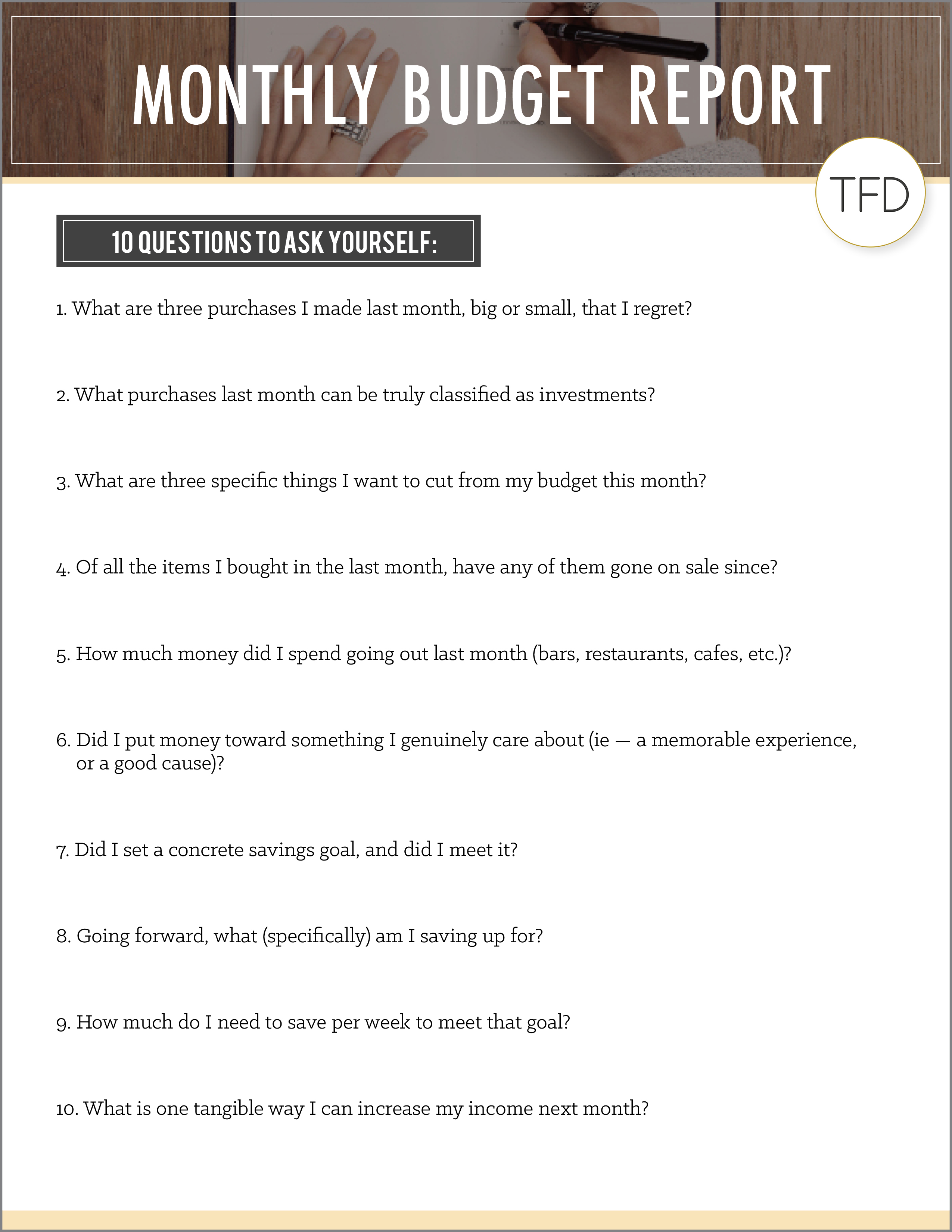
- How much money came in this month?
Use take-home pay, side income, child support, benefits, and any irregular income. Stick to net income so the numbers reflect real spending power. - What did we spend more on than expected?
Groceries, eating out, gas, school costs, medical bills, and subscriptions often creep up. Be specific. “We overspent” is useless. “Groceries ran $180 over because we shopped in four small trips” gives you something to fix. - What spending felt worth it?
This question matters. A budget that ignores joy usually breaks. Maybe the extra money for a family outing was worth every dollar, while impulse delivery orders were not. - What spending did we regret?
Keep this factual, not personal. Regret can point to poor planning, stress spending, or simple overcommitment. - Did we save what we planned to save?
Review emergency fund contributions, retirement savings, sinking funds, and college savings if relevant. - Are any bills due to change soon?
Think insurance renewals, annual memberships, utility spikes, property taxes, back-to-school costs, or holidays. - What is the one money goal for next month?
One goal is often enough. Cut dining out by $100. Finish a starter emergency fund. Pay off one credit card. Simple works.
How to use family budget meeting questions without starting a fight
The phrasing matters more than most advice admits. Ask, “What happened here?” instead of “Why did you spend this?” Small shift. Big difference.
Set a few ground rules
- No surprise audits.
- No blaming language.
- No multitasking during the meeting.
- End with one or two action steps.
Honestly, many money arguments are really workload arguments in disguise. One person tracks bills, the other spends more freely, and both feel misunderstood. A meeting helps divide the labor in plain terms.
Use numbers, then context
First review the transaction or category total. Then ask what drove it. Was it poor planning, a one-time expense, or a real shift in your needs? If your grocery bill keeps rising, maybe the issue is inflation, not carelessness. The U.S. Bureau of Labor Statistics has shown food prices remain a pressure point for many households, and pretending that higher costs are a moral failure is nonsense.
Best family budget meeting questions for couples with kids
Children change the budget fast. So do school calendars, sports fees, birthday parties, and random cash requests that show up on a Tuesday afternoon.
If you are managing a household with kids, add these family budget meeting questions to the mix:
- What kid-related costs are coming up in the next 30 to 90 days?
- Are we saying yes to activities that still fit our priorities?
- Do we need a separate sinking fund for school, camps, or holidays?
- Are convenience purchases saving time we truly need, or just masking bad planning?
That last one can sting a little. But it is useful. Plenty of families spend extra on takeout, rush shipping, or duplicate items because the calendar is overloaded. Sometimes that spending is justified. Sometimes it is the financial version of patching a leaky roof with duct tape.
What to bring to a family budget meeting
You do not need fancy software. But you do need the same information in front of everyone.
- Bank and credit card transactions
- Monthly bills and due dates
- Savings balances
- Debt balances and minimum payments
- A list of upcoming irregular expenses
- Last month’s budget, if you use one
A shared notes app, spreadsheet, or paper notebook all work. The best tool is the one you will keep using.
Common mistakes that make budget meetings useless
Some families hold the meeting and still get nowhere. Why? Because the structure collapses under avoidable mistakes.
Talking only about what went wrong
If every meeting feels like a performance review, people shut down. Make room for wins, even small ones, like skipping a subscription, cooking more meals at home, or finally funding a car repair account.
Trying to solve the whole year at once
You are not drafting a five-year economic plan. You are making the next month clearer. Keep the scope tight.
Ignoring irregular expenses
This is the classic trap. Gifts, repairs, annual fees, and travel are not emergencies if they happen every year. They are predictable. Treat them that way.
Leaving without a decision
Every meeting should end with concrete next steps. For example:
- Cancel two unused subscriptions by Friday.
- Move $75 into the school expenses fund.
- Cap takeout at one meal per week next month.
A simple 20-minute family budget meeting template
If you want this to stick, keep it short.
- Minutes 1 to 5: Review income, account balances, and major bills paid.
- Minutes 6 to 10: Check budget categories that ran high or low.
- Minutes 11 to 15: Discuss upcoming expenses and calendar changes.
- Minutes 16 to 20: Pick one savings goal and one spending adjustment.
Could you meet longer? Sure. Should you? Usually not. Short meetings are easier to repeat, and repeatability is the whole point.
Where to go from here with family budget meeting questions
The best budget system is the one your household can live with in real life, during school chaos, work stress, and those months when every bill seems to hit at once. Start with a 20-minute check-in, use these family budget meeting questions, and track only the decisions that matter most. If the first meeting feels awkward, good. That usually means you are finally talking about the real stuff.
Next month, ask better questions again and see what changes. That is how a family budget stops being a document and starts acting like a plan.