Frugal Money Saving Tips That Actually Work in 2024
You are staring at rising bills and a paycheck that feels thinner each month. The usual advice sounds recycled, yet you need frugal money saving tips that fit a busy schedule right now. Think concrete moves you can start this week, backed by people who actually tried them. I have spent years covering personal finance experiments and calling out hype, and the lessons that stick are the ones you can repeat without thinking. Skip the extreme couponing fantasies and focus on actions that trim costs without draining your time or sanity. Ready to see which habits cut through the noise and why they hold up when prices stay stubborn?
Fast Wins Worth Trying
- Cap streaming to one service per month and rotate to follow shows.
- Move auto-pay dates to match your paycheck cycle to stop overdraft fees.
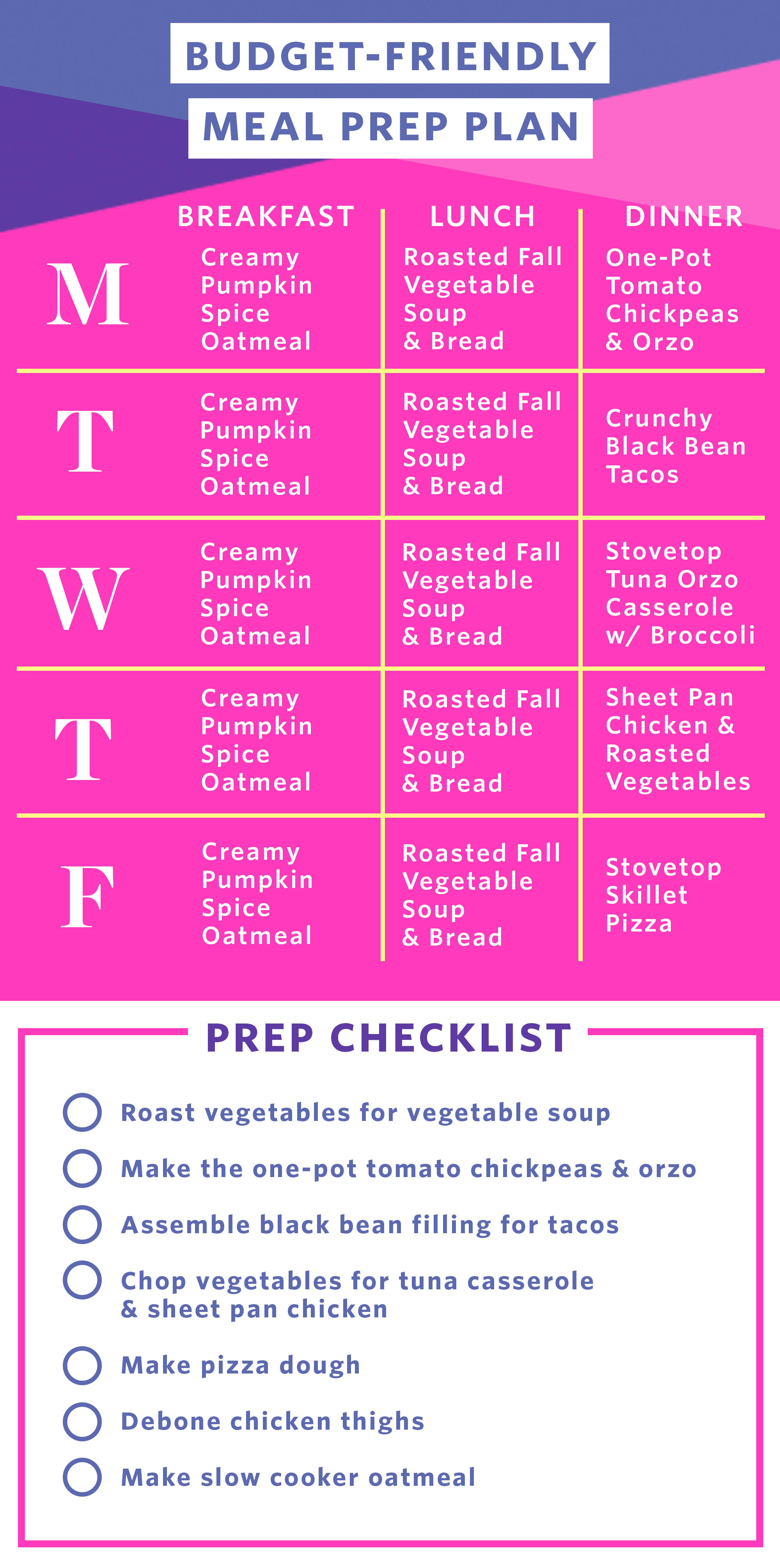
- Batch cook two base meals each week to slash takeout spend.
- Buy store brands for staples and name brands only when on deep discount.
- Run a 10-minute weekly bill audit to catch sneaky price hikes.
Frugal Money Saving Tips You Can Apply Today
Start with subscriptions because they quietly balloon. Cancel everything, then add back a single service each month. It feels ruthless, but you see what you actually miss. For groceries, set a hard per-trip cap and shop with cash. That physical limit forces choices, much like a shot clock in basketball.
Transportation is next. If you drive, combine errands into one loop and keep tires at proper pressure. AAA reports underinflated tires can eat up to 3 percent in fuel. Small, repeatable moves beat grand gestures.
One sentence here.
Look, the frugal wins that last are boring, but boredom is a feature. Consistency saves you more than flashy hacks.
MainKeyword in Your Kitchen and Closet
Home habits pay off fast. Batch cooking two base recipes on Sunday gives you mix-and-match lunches. Think rice plus roasted vegetables and a protein you can season three ways. It is like prepping game film before a match; the real play is easy because the hard thinking is done.
Clothing deserves the same discipline. Adopt a one-in-one-out rule and buy during end-of-season clearances only. Track cost per wear in a simple note. When a sweater costs 50 cents per wear, you do not feel deprived, you feel in control.
Smart swaps
- Replace paper towels with washable cloths for everyday spills.
- Use a programmable thermostat and lock in a two-degree setback.
- Refill water at home instead of buying bottled on the go.
How to Keep These Habits from Fizzling
Behavior change fails when it feels like punishment. Anchor new habits to existing routines. Check your bank app right after your morning coffee. Review weekly spending while dinner simmers. And ask yourself weekly, does this expense move me forward or just fill a moment?
But what if friends push for pricey outings? Offer alternatives first: a home movie night, a potluck, a park meetup. Social pressure eases when you lead with plans instead of refusals.
Automate the boring parts. Set alerts for balance thresholds and price hikes. Use store pickup to avoid impulse buys. Those guardrails handle temptation before it shows up.
Frugal Money Saving Tips Backed by Real Numbers
Think in annual impact. Dropping one $15 lunch out each workday frees roughly $3,600 a year. Switching to generic staples can cut grocery spend by 10 percent, which for a $600 monthly budget is $720 saved annually. Lowering your home thermostat two degrees can shave 2 to 5 percent off heating, depending on climate, according to the Department of Energy.
Track these gains in a visible spot. When you see the total climb, motivation sticks. Why rely on willpower alone when a scoreboard works better?
Mindset Shifts That Make Savings Stick
Think of money rules like pantry staples: a few reliable ones beat a shelf of half-used gadgets. Decide your non-negotiables, maybe a weekly coffee with a friend, and trim hard elsewhere. This is less about austerity and more about clarity.
Here is the thing. You do not need to chase every coupon to win. You need a short list of repeatable behaviors that survive busy weeks. My favorite test: would you still do this habit on a stressful Tuesday night?
What to Do Next
- Pick two tips and run them for 14 days.
- Log the dollar impact weekly.
- Share results with a friend for accountability.
- Reinvest savings into a high-yield savings account.
Ready to see how much room you can create this month?