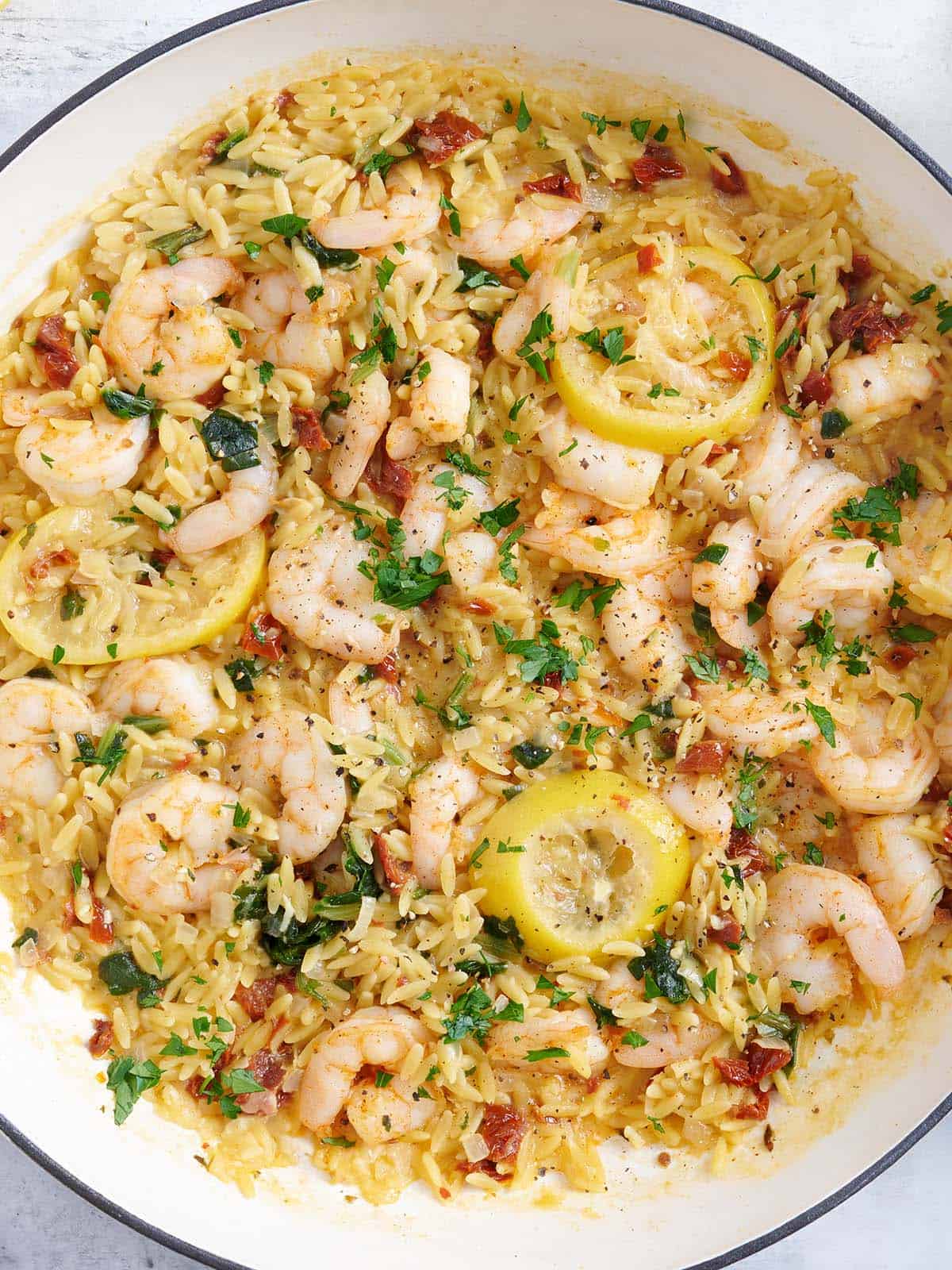
Garlic Shrimp and Orzo Skillet on a Budget
You want a dinner that feels a little special without wrecking your grocery budget. That is the appeal of garlic shrimp and orzo skillet. It uses a short ingredient list, cooks in one pan, and lands in that sweet spot between fast weeknight food and something you would actually want to serve to guests. But shrimp can get pricey, and small recipe choices can quietly push the total up.
Here’s the good news. This dish is easy to control. You can trim cost, keep flavor high, and make the meal stretch further with a few smart swaps. I have covered budget cooking long enough to know the pattern. The cheapest meal is not always the one with the lowest sticker price. It is the one your household will eat, repeat, and not waste.
Why this recipe works
- One skillet means lower effort and fewer dishes.
- Shrimp cooks fast, so this works on busy nights.
- Orzo is cheap and filling, which helps balance the cost of seafood.
- Lemon, garlic, and broth do the heavy lifting, so you do not need many extras.
How garlic shrimp and orzo skillet saves money
The core math is simple. Shrimp is the premium item. Orzo, broth, garlic, and a little parmesan carry the bulk of the volume and flavor. That gives you a meal that tastes expensive without needing a full pound of costly protein per person.
Budget Bytes built this recipe around pantry logic, and that is why it holds up. A small amount of shrimp seasons the whole pan in the same way a little bacon can change a pot of beans. Think of it like adding a strong stock to soup instead of piling on meat. Same idea. Better budget result.
Good budget cooking is often about contrast. A modest amount of a high-impact ingredient can make a cheap base taste like a full meal.
What does garlic shrimp and orzo skillet usually cost?
Costs vary by store and region, but the spending pattern is predictable. Shrimp takes the biggest share. Dry orzo, garlic, broth, and lemon are usually low-cost items, especially if you already keep some of them on hand.
If you shop at a mainstream U.S. grocery store, a skillet like this often lands in the rough range of $10 to $16 total, depending on shrimp size, whether parmesan is freshly grated, and if lemon prices are running high. Split across four servings, that is still competitive with takeout. And honestly, it is usually better.
What pushes the price up?
- Buying large shrimp instead of medium shrimp
- Using pre-peeled fresh shrimp at the seafood counter
- Adding extra cheese or butter without a plan
- Serving it alone, which can lead to bigger portions
What keeps the cost in check?
- Using frozen shrimp bought on sale
- Measuring parmesan instead of free-pouring
- Adding a side salad or roasted vegetables
- Using broth base or bouillon if that is cheaper in your area
Best budget swaps for garlic shrimp and orzo skillet
You do not need to follow the recipe like it is a legal document. Some swaps are smart. Others ruin the balance. Here are the ones worth making.
- Use frozen shrimp. It is often cheaper, keeps longer, and is usually frozen close to harvest anyway.
- Swap spinach for part of the shrimp volume. This adds color and bulk without much cost.
- Try chicken broth base. A jar or paste can be cheaper per batch than cartons.
- Use pecorino or parmesan only if you need it. The dish still works with less cheese than many home cooks assume.
One smart move is to treat shrimp as a flavor accent, not the whole show.
That single mindset shift changes your grocery bill fast.
How to make garlic shrimp and orzo skillet stretch further
If your household eats big portions, this recipe can disappear fast. So build in a buffer. A simple side turns it from four modest servings into four solid dinners or even five lighter ones.
Here are the easiest ways to stretch it without making it feel watered down:
- Add sautéed zucchini or mushrooms
- Serve with garlic bread and a green salad
- Stir in frozen peas near the end
- Use a little extra broth and a handful more orzo if your pan allows it
Would I double the shrimp? No. That defeats the budget point. Double the low-cost supporting ingredients first.
Common mistakes that waste money
This is where cheap meals quietly get expensive. Overcooked shrimp turns rubbery in minutes, and then the dish feels like a letdown. Dry orzo can also go from tender to sticky if the liquid ratio drifts too far off.
Look, this recipe is closer to risotto than plain pasta in how it behaves. You need to pay attention for a few minutes. Taste the orzo. Pull the shrimp once it is just cooked. Finish with lemon at the end so the flavor stays sharp.
Watch these details
- Do not overcook shrimp. It keeps cooking from residual heat.
- Stir enough to prevent sticking. Orzo likes to settle and catch on the pan.
- Salt carefully. Broth and cheese already bring salt.
- Use fresh lemon if possible. Bottled juice can taste flat here.
Is garlic shrimp and orzo skillet good for meal planning?
Yes, with one caveat. It is best the day you make it, but it can still work for next-day lunch if you store it well. Keep leftovers chilled, and reheat gently with a splash of broth or water to loosen the texture.
For meal planning, the better play is partial prep. Thaw the shrimp, mince the garlic, grate the cheese, and measure the orzo ahead of time. Then the actual cook is fast. About as fast as waiting on delivery, minus the service fees.
If you want a meal that feels restaurant-adjacent without restaurant pricing, this is a solid one-pan option.
Garlic shrimp and orzo skillet shopping strategy
Smart shopping matters more than recipe theory. Buy shrimp when it is on sale and freeze it. Check store brands for orzo and broth. And compare the price per ounce on cheese, because that is where stores love to hide margin.
A practical cart for this meal usually includes:
- Frozen raw shrimp, medium size
- Dry orzo
- Fresh garlic
- Chicken broth or broth concentrate
- One lemon
- A small amount of parmesan
- An optional vegetable side
(If you already have oil, salt, pepper, and red pepper flakes at home, the real meal cost drops even more.)
What to do next time you make it
The Budget Bytes version gives you a strong baseline, and that is why it is useful. Start there. Then track what actually drives cost in your kitchen. Maybe shrimp is expensive in your area. Maybe lemons are. Maybe your family needs more volume and less protein. That is the real reporting that matters.
Cheap dinners are not about deprivation. They are about control. And if a one-pan seafood pasta can taste this good while keeping spending sane, why save it for special occasions?