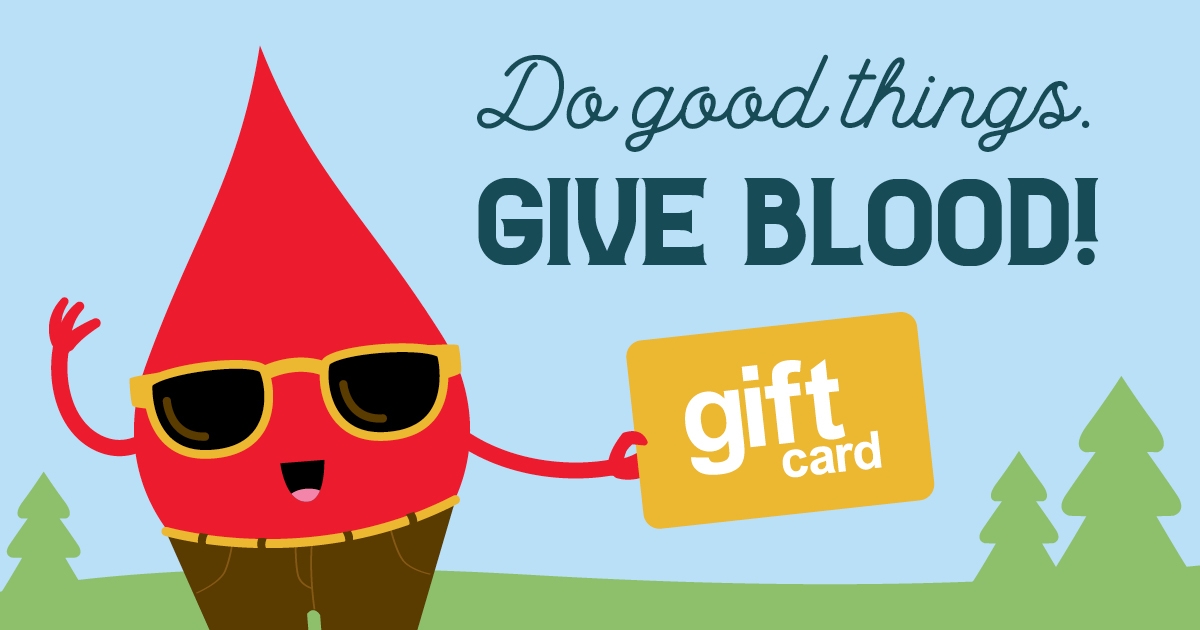
Get a Gift Card for Donating Blood
If you want to stretch your money without doing anything shady, get a gift card for donating blood is one of the cleaner options on the table. The catch is simple. These offers change fast, the rules vary by location, and the fine print can be annoying if you rush through it.
That matters now because blood centers often use bonuses to fill urgent supply gaps, and the best offers can disappear quickly. You may see gift cards, prepaid cards, or points tied to a donation campaign. But not every promotion is worth your time, and some require appointments, specific donation types, or first-time donor status. So if you want the reward without wasting an afternoon, you need to know how the system works before you walk in.
What to know before you get a gift card for donating blood
- Offers are local. One center may offer a gift card while another nearby gives nothing.
- Eligibility rules matter. Some bonuses only apply to whole blood, while others target plasma or double red cell donations.
- Timing changes the deal. Promotions often run for a short window, then vanish.
- Your health comes first. Donation centers screen for iron levels, recent travel, medications, and other factors.
- Read the payout terms. The reward may arrive by email, text, or physical card days after donation.
Look, this is more like checking a restaurant coupon than chasing a jackpot. You want to know the expiration date, the location limit, and whether the deal applies to the exact item you want. Same idea here. A little checking saves you from showing up for a reward you cannot claim.
How blood donation gift card offers usually work
Most centers use donor incentives to pull in new people or bring back regular donors during slow periods. The reward may be tied to a specific campaign, such as a first donation, a return visit, or a mobile blood drive. Sometimes the center partners with a third-party rewards company. Other times it hands you a card directly after the appointment.
That creates a simple rule: do not assume the reward is automatic. Ask who qualifies, how the gift card is delivered, and how long it takes. If the staff cannot explain it clearly, the deal is probably not worth planning around.
Blood donation incentives can be helpful, but they should never distract you from the basics. You want a safe donation, a clear payout, and a process that fits your schedule.
How to find the best blood donation bonus
- Check local blood centers. Search the websites of American Red Cross, Vitalant, OneBlood, and local hospital systems.
- Look for seasonal drives. Holidays, summer travel months, and winter weather can trigger bonus campaigns.
- Watch donor emails and texts. If you have donated before, centers often send targeted offers first.
- Compare the payout. A $10 card may not justify a long drive. A better offer can.
- Ask about redemption. Find out whether the card works like Visa, Amazon, grocery, or a store-specific card.
Here’s the thing. A higher reward is not always the better deal. If you need to cross town, wait in a crowded lobby, and sit through a long screening, your hourly value may be mediocre. Would you spend two hours for a gift card that barely covers gas? Probably not.
What can keep you from qualifying?
Donation centers use health screening to protect both donors and recipients. Common reasons for deferral include low hemoglobin, recent illness, recent tattoos or piercings in some cases, certain medications, and travel to areas with specific health risks. The exact standards vary by organization and donation type.
Do not guess. If you are unsure, check the center’s eligibility page before booking. The American Red Cross and similar organizations publish current donor rules online, and those pages are usually clearer than social posts or old forum threads.
And yes, the rules can feel picky. But they exist for a reason. Blood donation is not a casual signup sheet at a school fair.
How to make the trip worth it
If you want to get a gift card for donating blood and avoid regret, think about the whole visit, not just the reward amount.
- Book ahead. Walk-ins can work, but appointments cut down on waiting.
- Eat and hydrate first. A light meal and good fluids can make the donation easier.
- Bring ID. Some centers require government-issued identification.
- Track the reward. Save the email or text with redemption instructions.
- Plan recovery time. Do not stack a donation right before a hard workout or long shift.
This is where a lot of people slip. They focus on the bonus and ignore the friction. But if the trip fits cleanly into your day, the reward feels better and the process is smoother.
A practical example
Say a local drive offers a $20 gift card for first-time donors. The center is 15 minutes away, the appointment takes about an hour, and you already have the morning free. That can be a tidy win. If the same offer requires a 50-minute drive each way, plus parking fees, the math gets much worse.
Think of it like cooking pasta. The ingredients matter, sure, but so does the pot size, the heat, and the timing. Miss one part, and the result is worse than it looked on paper.
Where people get tripped up
The biggest mistake is assuming every blood donation bonus is a free, easy gift card. It is not. Some offers are tied to limited inventory. Some require you to claim the reward through a separate portal. Some expire before you open the email.
Another common miss is ignoring tax and recordkeeping questions if you donate often. Most small donor gifts are not treated like a paycheck, but your personal situation can vary. If you plan to make this a regular money move, keep a simple log of dates, locations, and rewards.
The smart way to approach it
If you see a chance to get a gift card for donating blood, treat it like a short-term side perk, not a steady income stream. Check the location, the payout, the eligibility rules, and the delivery method before you commit. If those pieces line up, great. If not, move on.
The best deal is the one you can actually use. That is the part people forget while chasing the headline offer.
So the next time you spot a donation bonus, will you grab it because the amount looks nice, or will you check the details first and make the smarter call?