
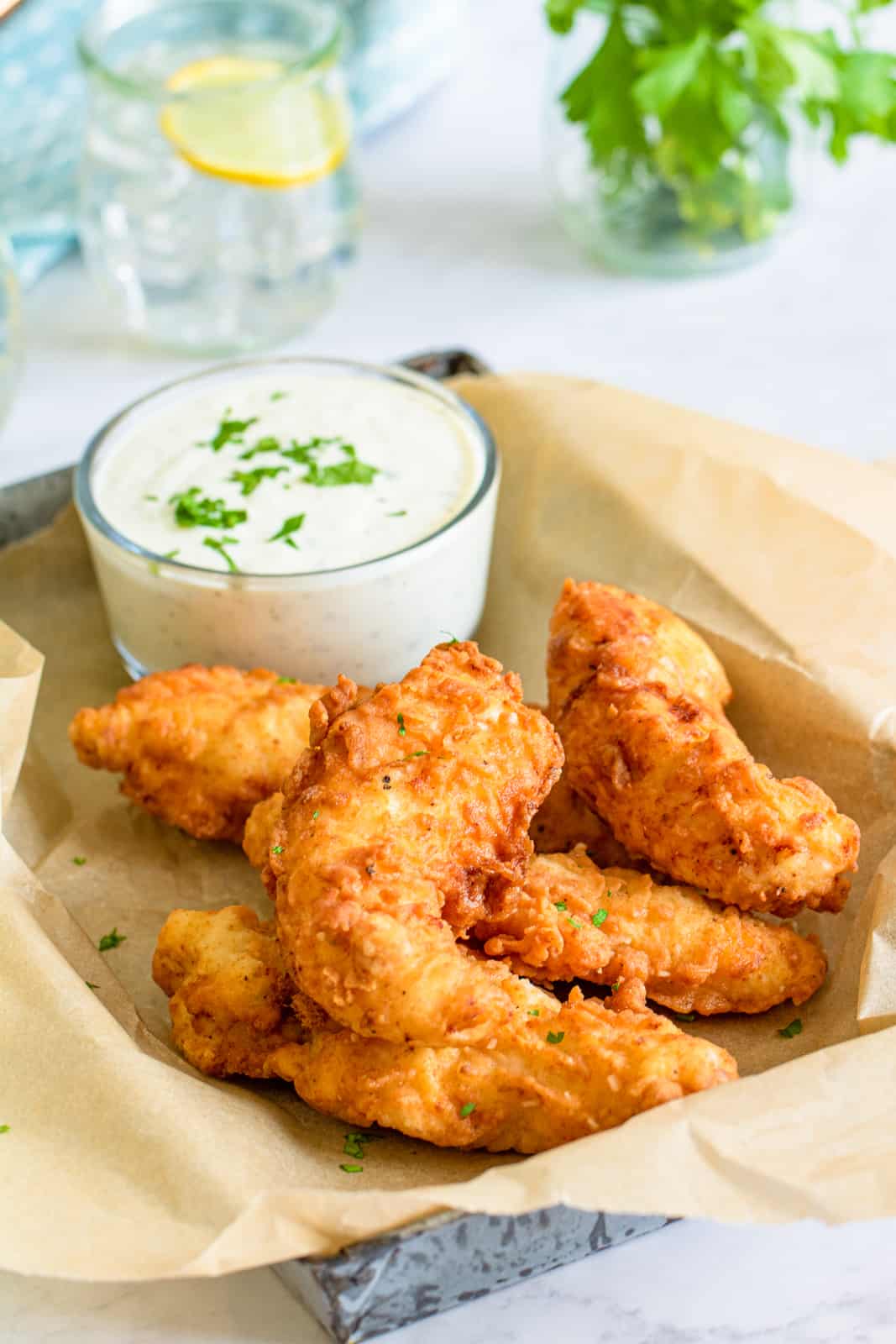
Homemade Chicken Tenders That Save Money
Restaurant chicken strips look cheap until you feed a family, add fries, pay delivery fees, and wonder why dinner cost as much as groceries for two days. That is why homemade chicken tenders still deserve a spot in your meal plan. They are fast, freezer friendly, and easier to price than most takeout meals. Budget Bytes, a long-running budget recipe site, keeps the idea simple with breaded chicken breast strips, pantry seasonings, and a quick cook. The real win is control. You decide the cut of chicken, the seasoning, the oil, and the portion size. And if you have kids, picky adults, or a busy week ahead, this is the kind of recipe that works hard without pretending to be fancy. Why pay a premium for something you can make better at home?
Why this dinner earns its spot
- Lower cost per serving: Homemade tenders can cost far less than a fast food or delivery order, especially when chicken is on sale.
- Better portion control: You can cut smaller strips for kids or larger pieces for meal prep bowls.
- Pantry-based flavor: Flour, breadcrumbs, eggs, and seasoning do most of the work.
- Easy to reuse: Leftovers fit into wraps, salads, rice bowls, and lunch boxes.
Why homemade chicken tenders beat takeout math
A chicken tender meal from a chain restaurant can look harmless on the menu board. Then the total climbs. A combo, tax, tip, delivery fee, and drinks can push one meal past the cost of a full pack of chicken breast.
At home, the main cost is the chicken. A pound of boneless, skinless chicken breast often makes about four servings, depending on appetite. Add breadcrumbs, flour, egg, and seasoning, and you are usually working with ingredients you already own.
The smartest budget meals are not the cheapest on paper. They are the ones you will actually cook on a tired Tuesday.
Look, I have covered enough consumer tech and subscription pricing to know the pattern. Convenience charges hide in plain sight. Food works the same way. Delivery apps turn a basic chicken dinner into a pile of small fees, and each one nibbles at your grocery budget.
How to make homemade chicken tenders without wasting money
The Budget Bytes version keeps the method familiar. Slice chicken breast into strips, coat them, then cook until crisp and done. You do not need a deep fryer, and you do not need a spice cabinet that looks like a test kitchen.
The key is setting up a clean breading station. Use one shallow bowl for flour and seasoning, one for beaten egg, and one for breadcrumbs. This keeps the coating from clumping too quickly. A fork or tongs helps, but your hands work fine if you keep one hand for wet ingredients and one for dry.
Messy, but manageable.
Basic ingredient list
- Boneless, skinless chicken breast or chicken tenderloins
- All-purpose flour
- Eggs
- Breadcrumbs or panko
- Salt, pepper, garlic powder, and paprika
- Oil for pan frying, or cooking spray for baking or air frying
If you buy tenderloins, you save cutting time. If you buy whole chicken breast, you often save money. That tradeoff matters. For a weeknight, tenderloins may be worth it. For batch cooking, whole breast is usually the better buy.
Smart shopping tips for cheaper homemade chicken tenders
Chicken prices move around, so do not build your budget around a single number. Watch the unit price instead. The price per pound tells you whether the family pack, frozen bag, or smaller tray is the better deal.
- Buy chicken on sale: Portion it before freezing, so you do not have to thaw a giant pack for one dinner.
- Use panko for crunch: It can make baked tenders taste closer to fried ones, which helps cut oil use.
- Season every layer: A little salt in the flour and breadcrumbs prevents bland bites.
- Skip bottled sauces sometimes: Mix mayo with hot sauce, honey with mustard, or yogurt with ranch seasoning.
- Turn crumbs into a system: Keep a labeled container of breadcrumbs for savory coatings only.
Food safety matters here too. The USDA recommends cooking chicken to an internal temperature of 165 degrees Fahrenheit. A basic instant-read thermometer is one of those low-drama kitchen tools that saves you from guessing, and from overcooking dinner into rubber.
Best cooking method for your budget and schedule
Pan frying gives you the crispest result with the least special equipment. Use a skillet, a thin layer of oil, and medium heat. Too hot, and the coating browns before the chicken cooks. Too low, and the breading drinks oil.
Baking is easier for bigger batches. Place the tenders on a rack over a sheet pan if you have one, then coat them lightly with oil or cooking spray. The rack helps air move around the chicken, much like leaving space between cookies on a baking sheet (small detail, big difference).
Air frying sits between the two. It is fast, crisp, and useful for reheating. But do not crowd the basket. A packed air fryer behaves like a tiny sauna, not a crisping machine.
Which one should you pick?
- Pan fry: Best flavor and crunch, more hands-on time.
- Bake: Best for feeding several people at once.
- Air fry: Best for small batches and leftovers.
Meal prep ideas that stretch homemade chicken tenders
A tray of tenders can do more than one dinner. That is where the savings improve. One cooked batch can become lunch, a second dinner, or a quick protein add-on when the fridge looks bleak.
Try sliced tenders over salad with ranch or honey mustard. Tuck them into tortillas with lettuce and pickles. Chop them into macaroni and cheese for a higher-protein meal. Serve them with rice, cucumbers, and a quick sauce for a bowl that feels planned even if it was assembled in six minutes.
For freezing, cool the cooked tenders first. Freeze them in a single layer on a sheet pan, then move them to a freezer bag. That stops them from sticking together in one frozen brick. Reheat in the oven or air fryer for the best texture.
Where homemade chicken tenders can go wrong
The biggest mistake is under-seasoning. Chicken breast is lean, which means it needs help. Garlic powder, smoked paprika, black pepper, and salt can carry the recipe without making it fussy.
The second mistake is cutting uneven strips. Thin pieces cook faster, thick pieces take longer, and now you are babysitting a skillet like it is a live sports score. Aim for similar widths so everything finishes at nearly the same time.
The third mistake is pretending homemade always means cheaper. If you buy premium chicken at full price, specialty breadcrumbs, and three new sauces, the math changes. Keep the base simple. Spend extra only where you taste the difference.
The budget move I would make next
Make a double batch the first time. Eat half for dinner, then freeze half for a night when takeout feels too tempting. That is the real value of homemade chicken tenders. They give you a backup plan that tastes like a treat, costs less than delivery, and keeps your week from falling apart over dinner.